In this article
- Start with the outcome, not the format
- Design for meaningful conversations
- Attract the right audience by being specific
- The venue vibe matters more than most people think
- Build in moments that turn strangers into collaborators
- The Delta Campus is built for spontaneous connection
- The long term goal is not attendance, it is continuity
Most events are built around content. A panel. A keynote. A schedule that moves from one section to the next. People attend, listen, and leave with a few notes and a handful of quick introductions.
Community centric events work differently.
They are designed around what happens between the formal moments. The conversations in the corners. The unexpected introductions. The feeling that you are not just attending, but belonging. These gatherings create value not because the agenda is packed, but because the environment makes connection easy.
In a city like Berlin, where people are busy and selective with their time, community centric events have become the ones that truly stand out. They do not aim to impress. They aim to spark something real.
Start with the outcome, not the format
The biggest mistake event organizers make is choosing a format before defining what they want people to leave with.
If the goal is learning, a talk might work. If the goal is community, a talk is only a small part of the equation.
Community centric events start with a different question. What should happen in the room? Do you want strangers to become collaborators? Do you want founders to speak openly? Do you want operators to share what is actually working? Do you want people to feel seen and understood?
Once the outcome is clear, the format becomes easier. The best gatherings are often simple. A short opening, a focused discussion, and then enough space for people to connect. The structure is there, but it never dominates.
Design for meaningful conversations
If conversation is the goal, then conversation has to be designed, not left to chance.
The best community events create conditions that make it natural for people to talk. That means smaller groups. Clear prompts. Enough time. And a setting that encourages openness rather than performance.
A few practical ways to do this:
Use conversation prompts that feel real
Instead of generic topics, focus on what people are actually dealing with. Ask what is challenging right now. Ask what changed recently. Ask what they would do differently if they started again.
Keep groups small on purpose
Roundtables of eight to twelve often create more depth than large audiences. People share more when the room feels safe and human.
Avoid too many speakers
A long lineup creates passive energy. Community events need participation. If you include a speaker, keep it short and use it as a starting point, not the main show.
Leave space for unstructured discussion
The most valuable moments often happen after the formal part. Do not treat that as extra time. Build it into the event as the point.
Attract the right audience by being specific
Many events try to appeal to everyone. Community events do the opposite. They become better by being precise about who they are for.
The most effective way to attract the right people is to be clear about the kind of conversation they will walk into. Not just the topic, but the tone. Is it honest? Is it the founder first? Is it practical? Is it collaborative? Is it social? Is it focused?
When the invitation signals the right values, the right people self select in.
It also helps to use community driven invitations rather than broad promotion. People trust events more when they hear about them through someone they respect. In many cases, the audience is built one relationship at a time.
The venue vibe matters more than most people think
Venue is often treated as a logistical choice. A room with chairs, good sound, and enough space. But for community centric gatherings, the venue is part of the strategy.
People behave differently depending on what the space signals.
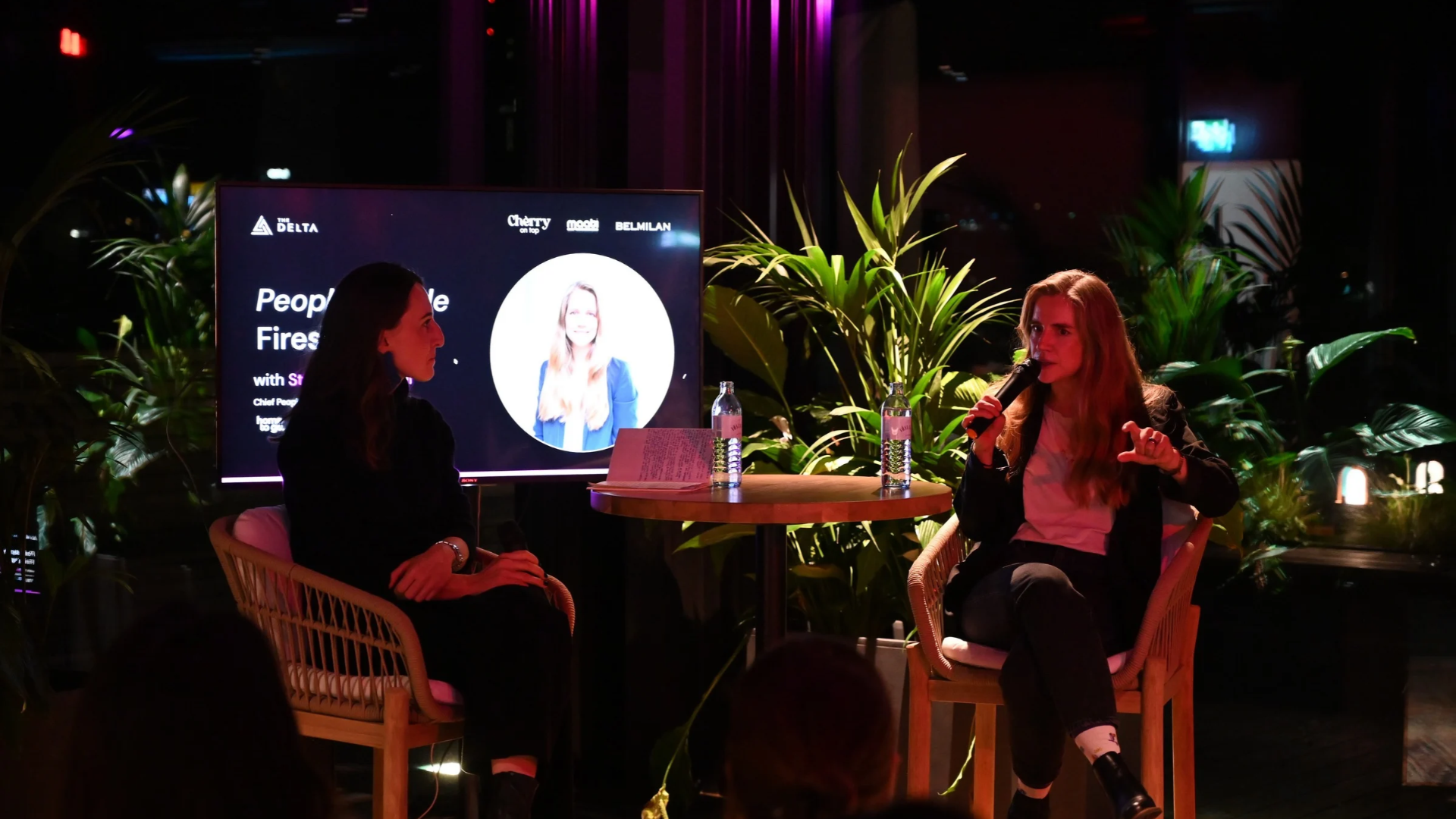
Corporate halls often create distance. People sit quietly, talk carefully, and leave quickly. Spaces that feel warm and lived in create the opposite. People relax faster. They stay longer. They talk more openly.
A community friendly venue tends to have a few things in common:
It feels welcoming the moment people arrive
It supports movement rather than fixed seating
It has natural zones for small conversations
It makes people feel comfortable, not intimidated
It encourages staying rather than leaving
When the environment supports human interaction, you do not need to force networking. It happens naturally.
Build in moments that turn strangers into collaborators
Connection does not happen just because people are in the same room. It happens when people feel they have permission to talk beyond small talk.
A simple technique is to create moments of shared vulnerability. This does not mean emotional storytelling. It means questions that invite honesty. What is currently hard. What are you building? What are you stuck on? What kind of person do you need to meet?
Another technique is to include small collaborative formats. Pair conversations. Short group problem solving. Micro introductions where people share what they need, not what they do.
These moments create momentum because they turn the event into something useful. People leave not with a stack of contacts, but with a sense of direction and a few people they actually want to follow up with.
The Delta Campus is built for spontaneous connection
This is where campus based events have a unique advantage.
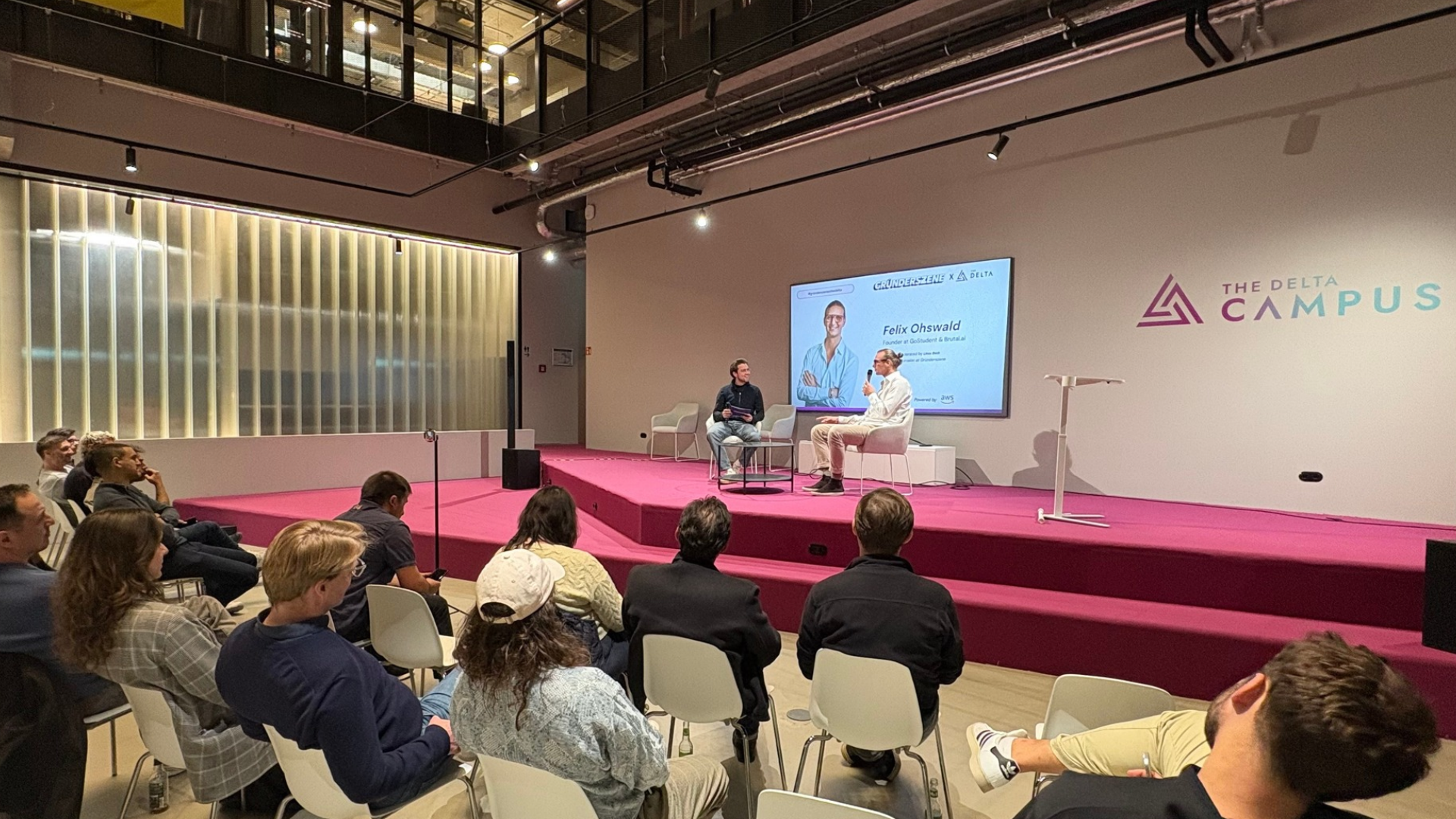
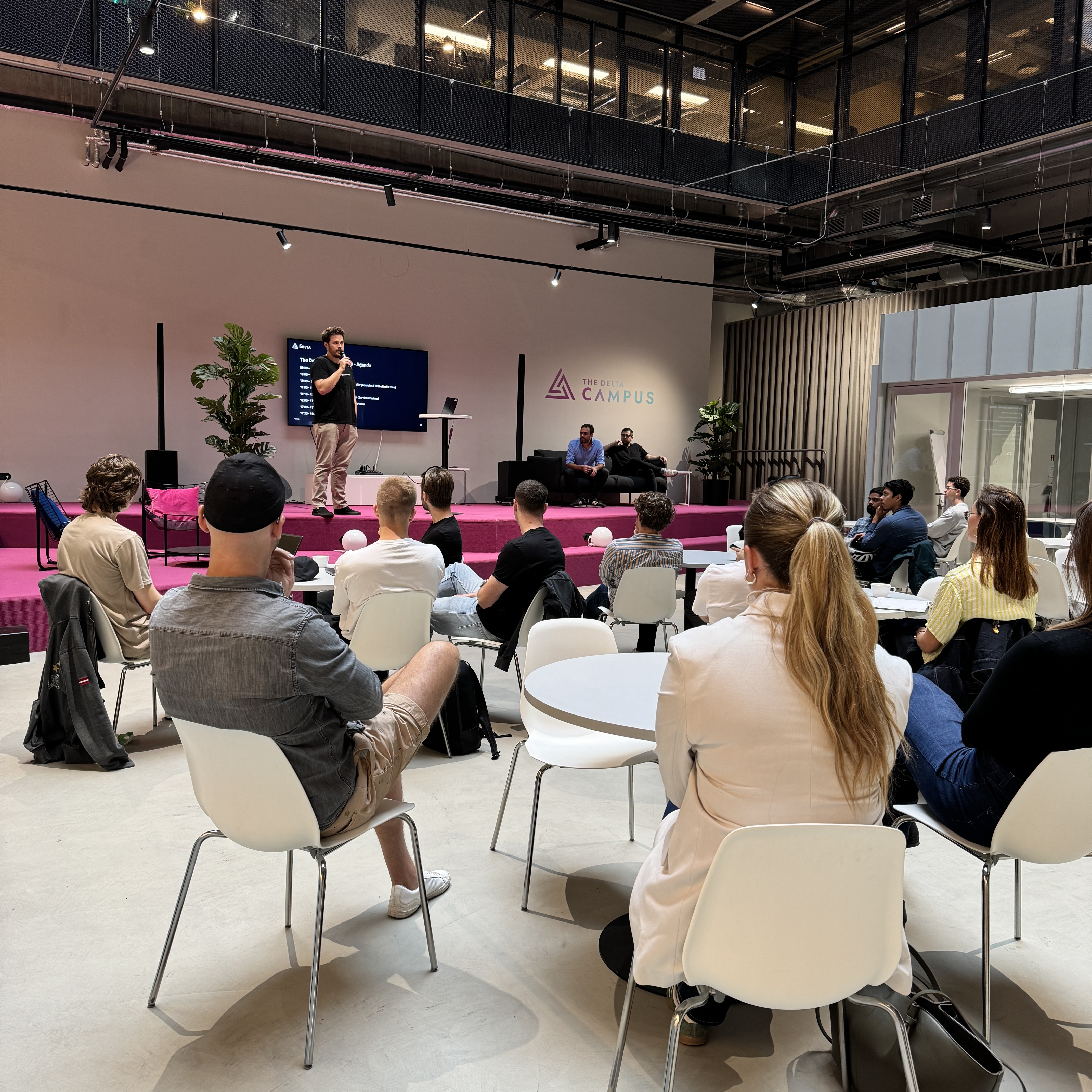
At The Delta Campus, community is not something turned on for an evening. It is built into the everyday rhythm of the space. Founders, teams, and creatives work here daily, which means events do not feel like temporary gatherings. They feel like extensions of an active ecosystem.
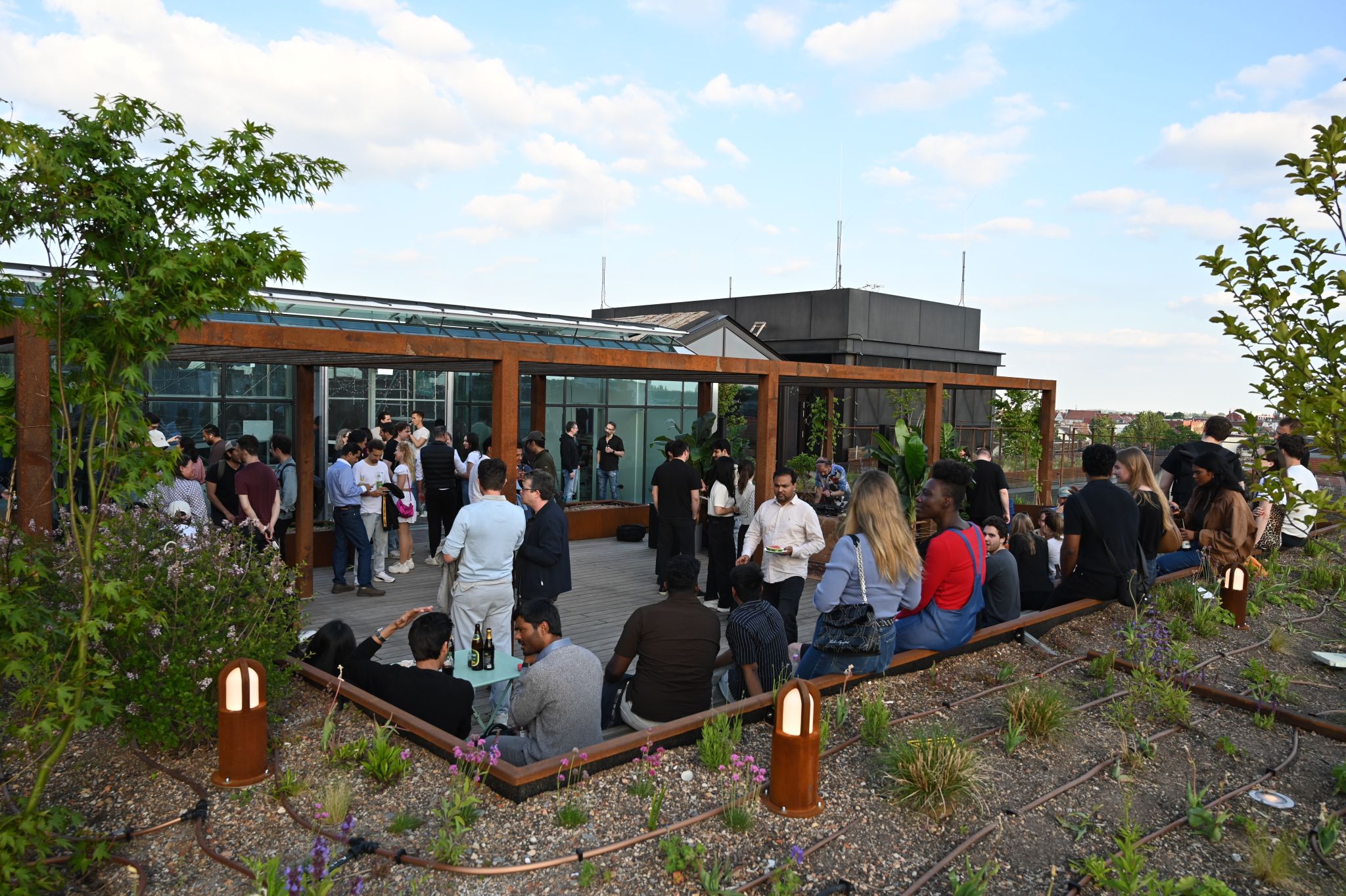
The campus layout supports spontaneous connection. Shared tables. Informal meeting points. Spaces where people naturally gather before and after sessions. The environment encourages conversation without needing a formal networking program.
Because people are already building in the space, events become grounded. Conversations move quickly from introductions to real topics. Trust forms faster because the setting signals openness and collaboration.
This is what makes community centric events easier to create. When the space is constructed for connection, the gathering becomes more natural and less forced.
The long term goal is not attendance, it is continuity
A community event succeeds when people come back. When they bring someone next time. When relationships deepen over time. When the gathering becomes part of how people build and stay connected.
That kind of continuity cannot be built through one perfect event. It is built through repeated trust. Through consistent tone. Through thoughtful curation of people and space.
The most powerful communities are not built by scaling fast but they are built by showing up consistently and designing gatherings that feel worth returning to.
If you want to build community centric events that feel natural, human, and connection led, come experience what that looks like at The Delta Campus. Book a tour or enquire about hosting an event, and see how a space designed for spontaneous connection can change what happens in the room.