The Delta Blog
Insights, stories, and updates from Europe's leading startup ecosystem
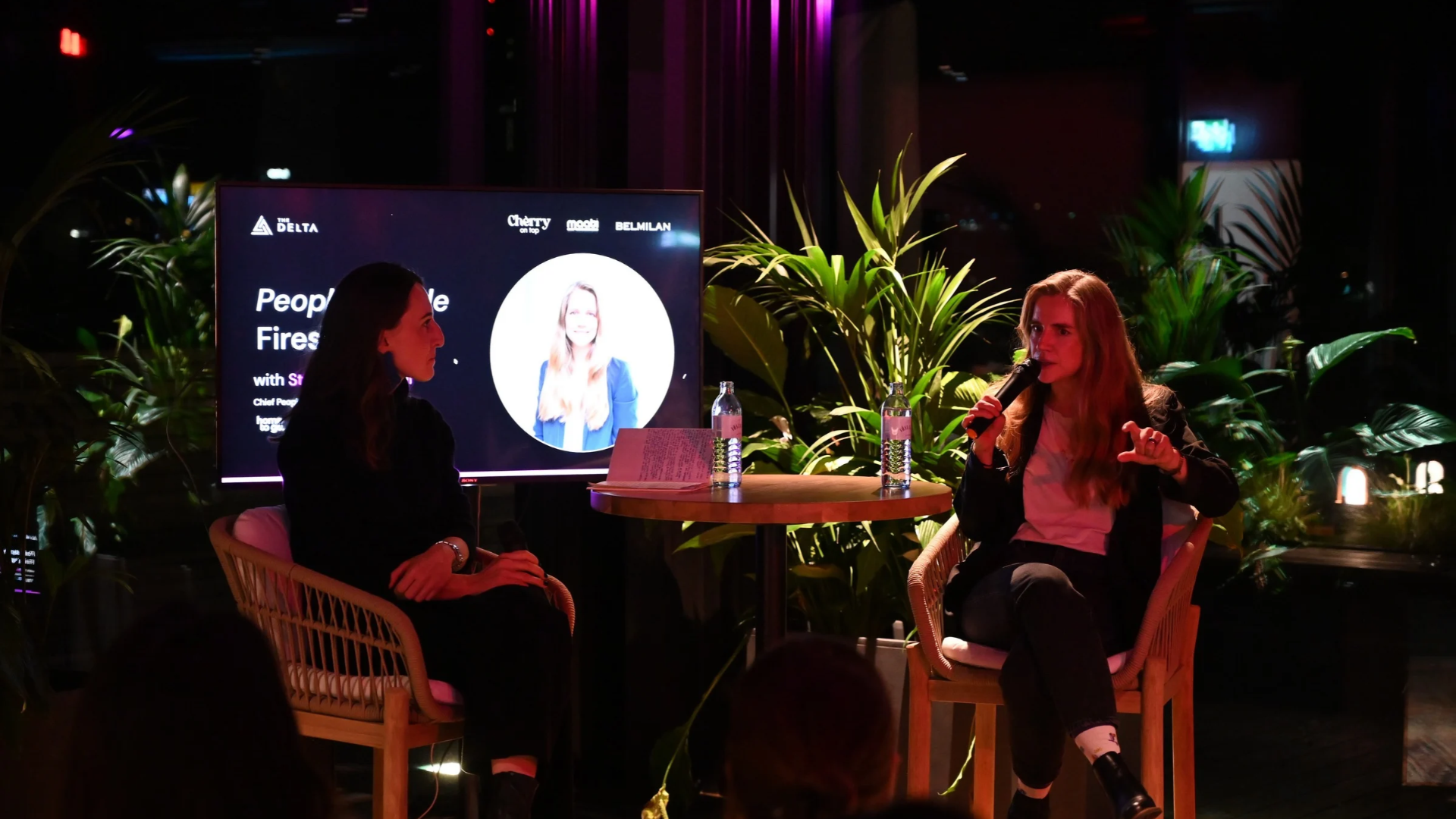
Stephanie Frenzel on Why Communication Is the People Function's Real Job
At the People People Fireside on The Delta Campus rooftop, HomeToGo's Chief People Officer Stephanie Frenzel explained why communication is the People function's real job, and why culture is built by leaders, not HR.
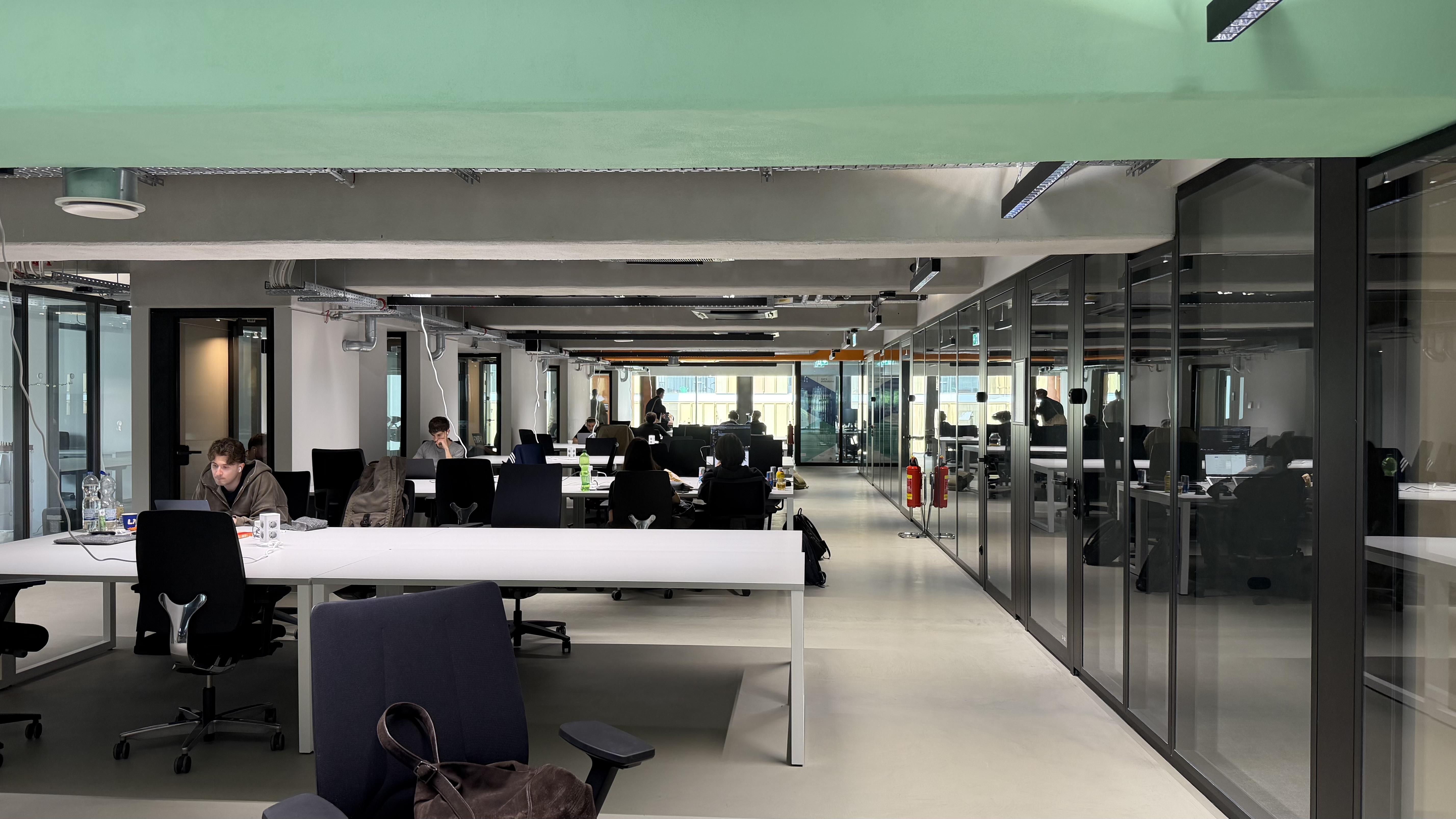
The ROI of a Great Office: How the Right Space Can Improve Collaboration, Creativity, and Even Revenue
Great office design isn't decoration, it's infrastructure that shows up in outcomes. Space changes how a team behaves: it speeds up decisions, sharpens alignment, and boosts founder energy, often the most under-measured asset in an early company. It's also the first physical proof that a company is real, investors and clients notice whether the environment supports focus and whether the team seems organized before anyone says a word. At The Delta Campus, we see teams move faster when space supports their rhythm, not because the office is beautiful, but because it's designed for real work.
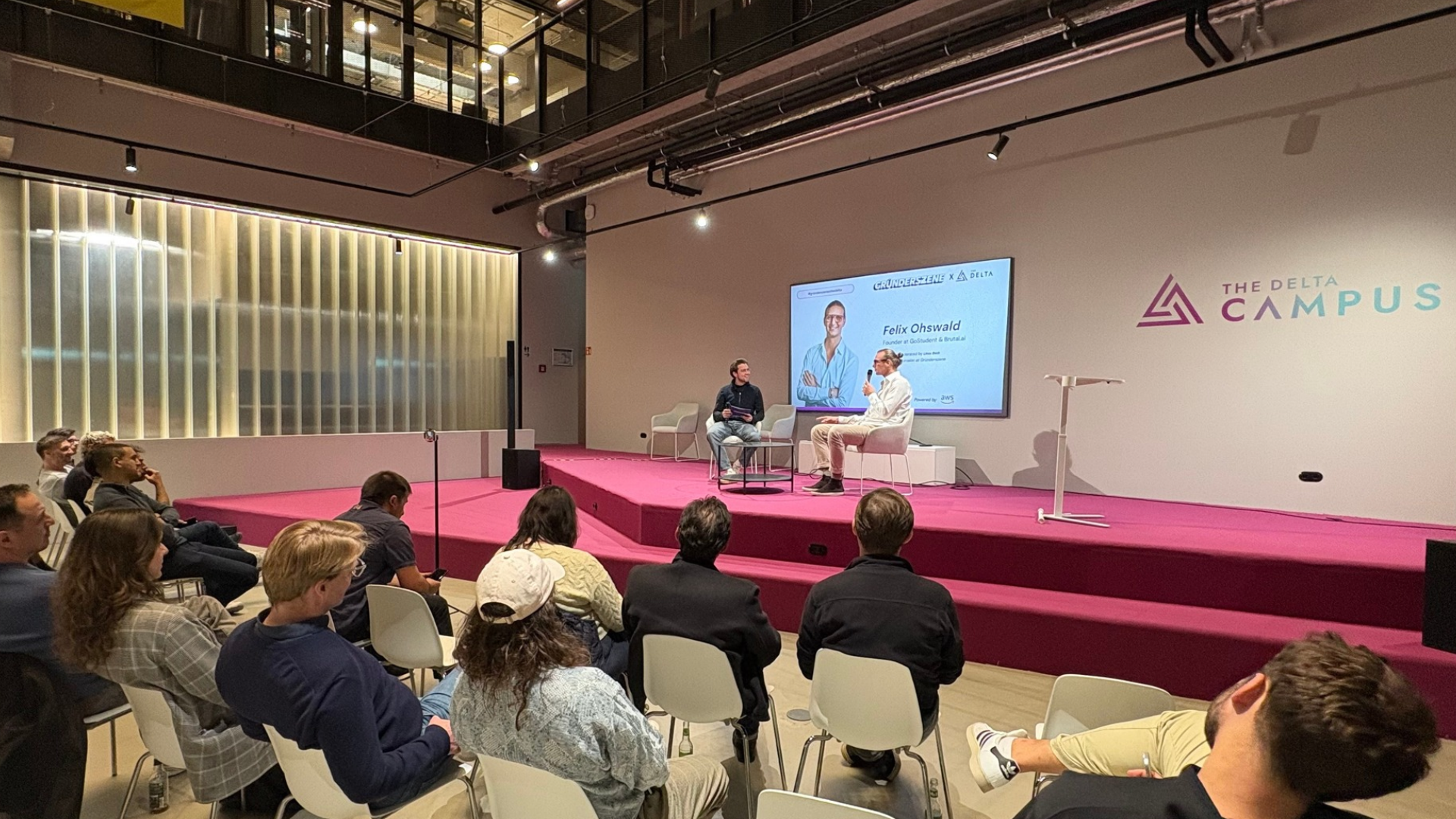
Felix Ohswald on Building GoStudent, Cutting 90%, and Starting Again
From making five figures a month on the darknet at 12 to building one of Europe’s best-known edtech companies, Felix Ohswald shared the full GoStudent story at the 11th edition of Gründerszene x The Delta. He covered the phone calls that cracked online tutoring and the London breakfast that led to cutting 90% of the team.
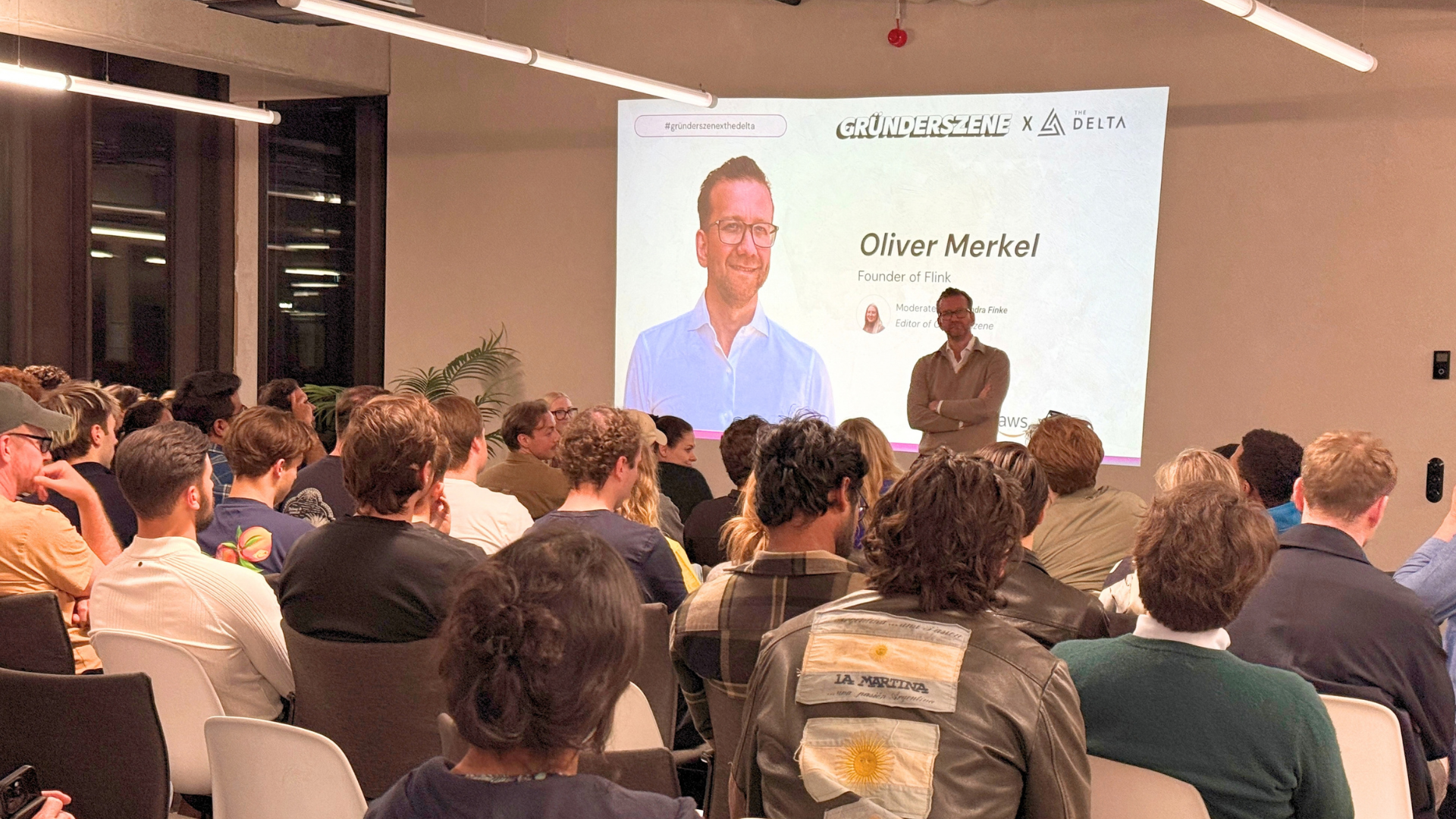
Oliver Merkel on the Cloud Bill That Became Blocks
At the 10th Gründerszene × The Delta, Oliver Merkel shared his rules for angel investing, fundraising and hiring, the unicorn he regrets missing, and how a cloud bill nobody at Flink could explain became Blocks, now at a €10 million run rate after five months.
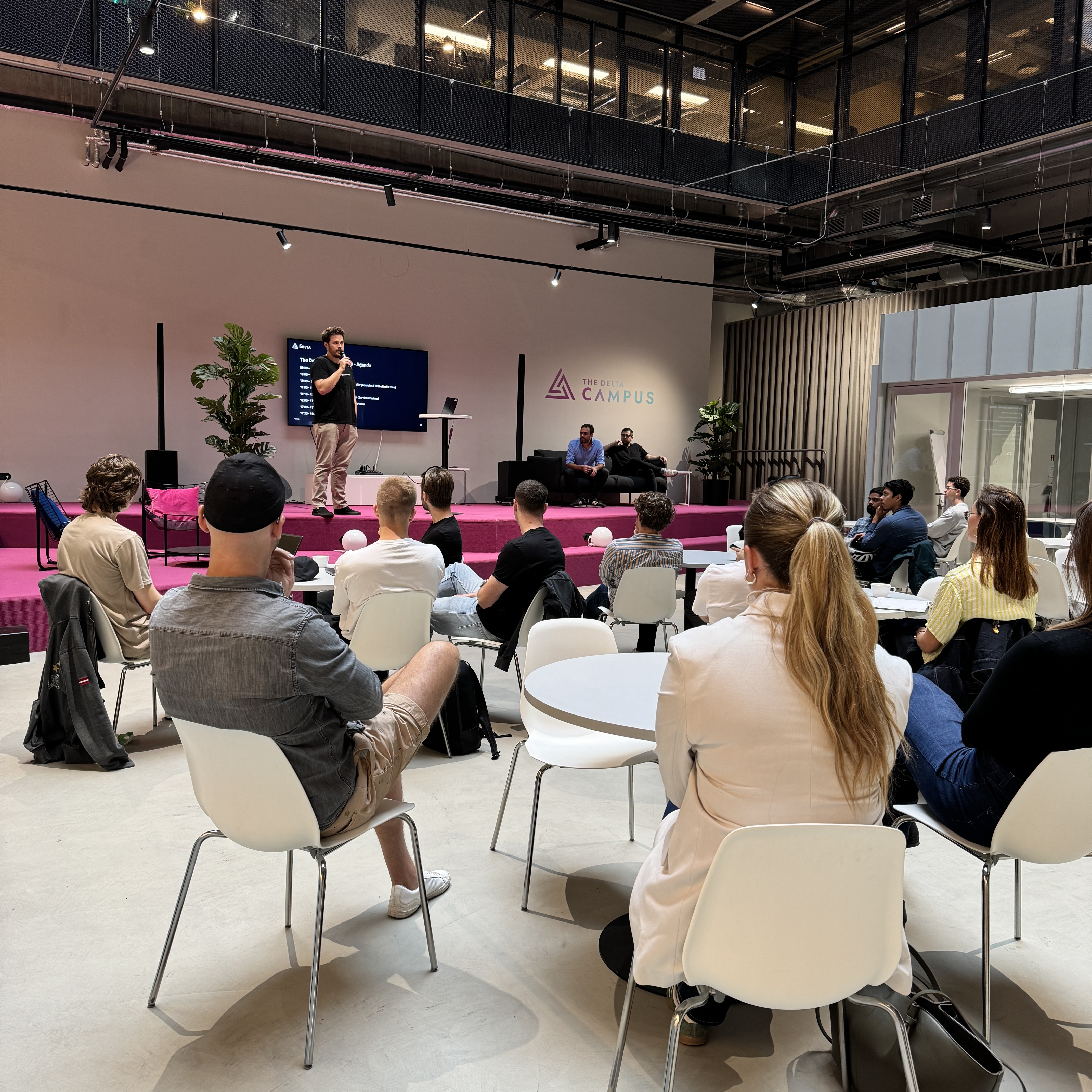
Why Premium Matters: The Shift Toward High-Quality Event Environments in Berlin’s Startup Scene
For a long time, startup events in Berlin followed a simple logic: keep costs low, maximise attendance, focus on content. Space was an afterthought. That logic no longer holds. Founders are more selective about where they spend their time, and the bar has shifted. Premium no longer means luxury. It means intention, quality, and respect for people's attention.
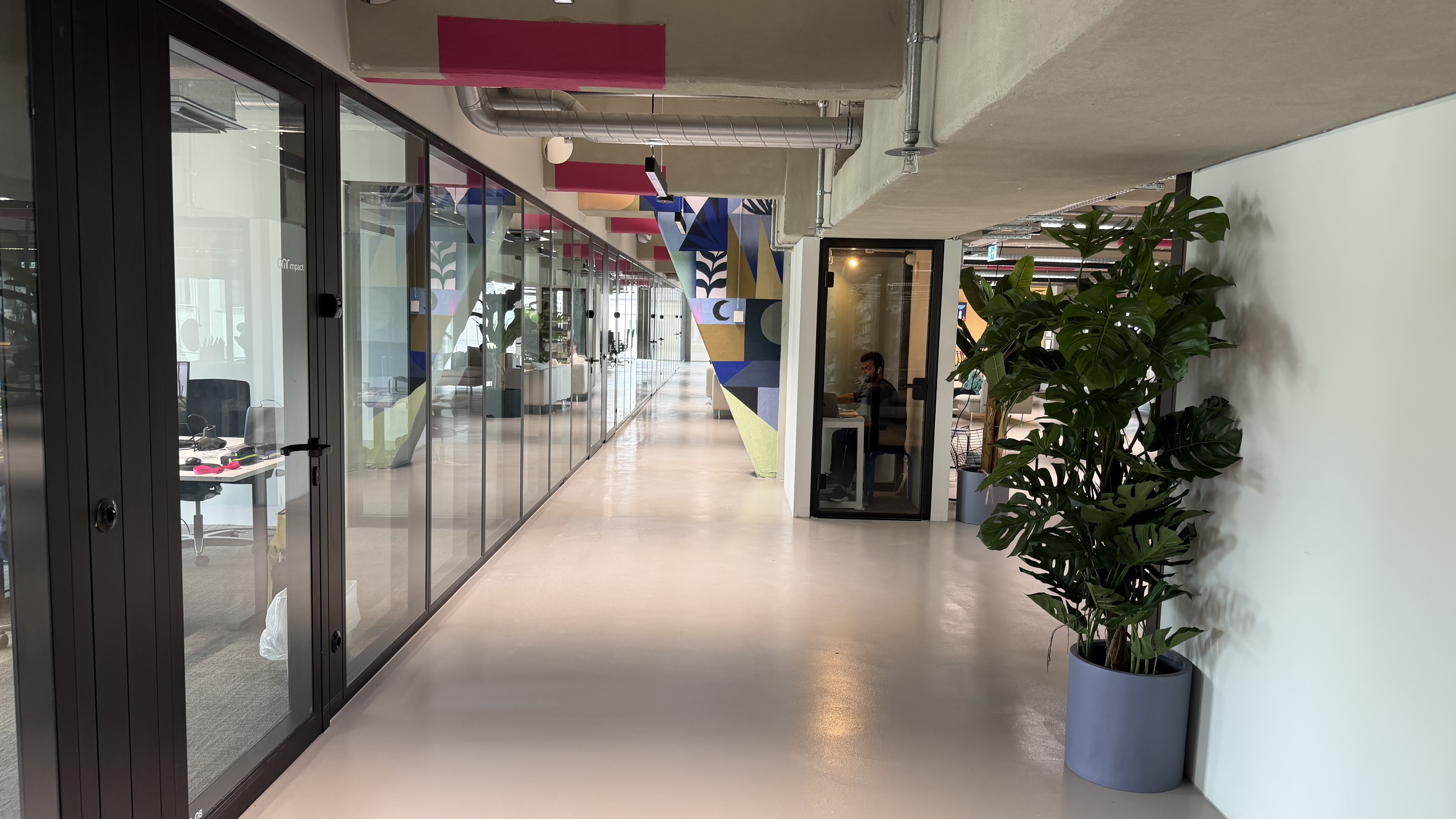
Why Your Office Is Now Part of Your Employer Brand Especially in Early-Stage Startups
In 2026, your office is part of your employer brand, whether you plan it that way or not. Talent isn't just evaluating salary or mission, they're reading the space itself: is this a team built for focus, or one running on chaos? Candidates use the physical environment as a proxy for what's usually hardest to see in an interview, decision-making, maturity, care for the people doing the work. At The Delta Campus, we see it firsthand: founders who invest in environments that support their people recruit faster and hold onto talent longer. Your space isn't just where work happens, it's proof of the company you're building.
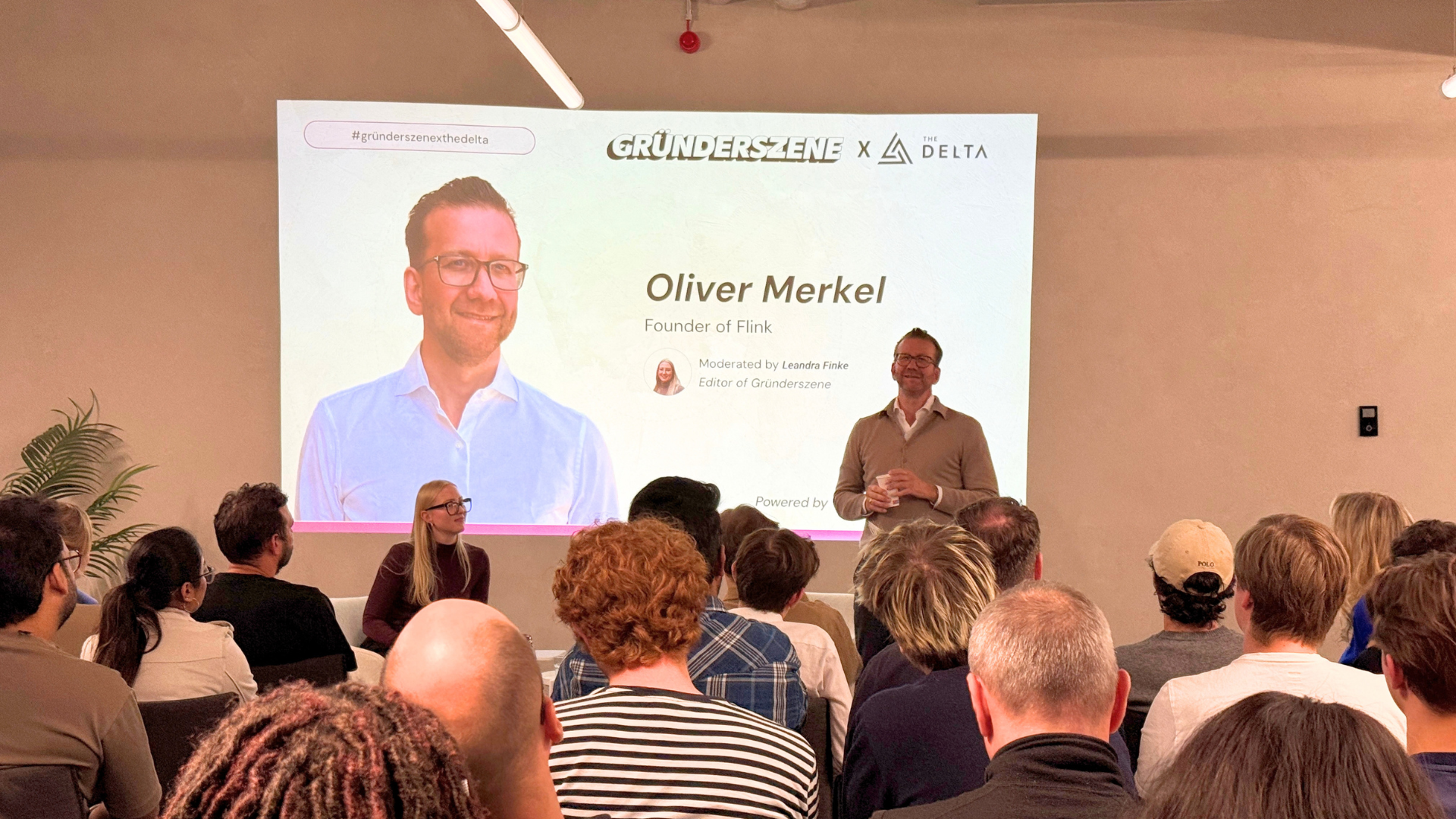
Oliver Merkel on Building Flink Into a Unicorn in Seven Months
Oliver Merkel spent years preparing decisions for CEOs before realising he wanted to make them himself. At the 10th edition of Gründerszene x The Delta, the Flink co-founder walked us through becoming a co-founder of Flaconi by accident, the three conditions he set before launching Flink, doing the deliveries himself, and the investor who pulled out a week before Christmas. It's a founder story about building on fundamentals while the rest of the market chased the money.
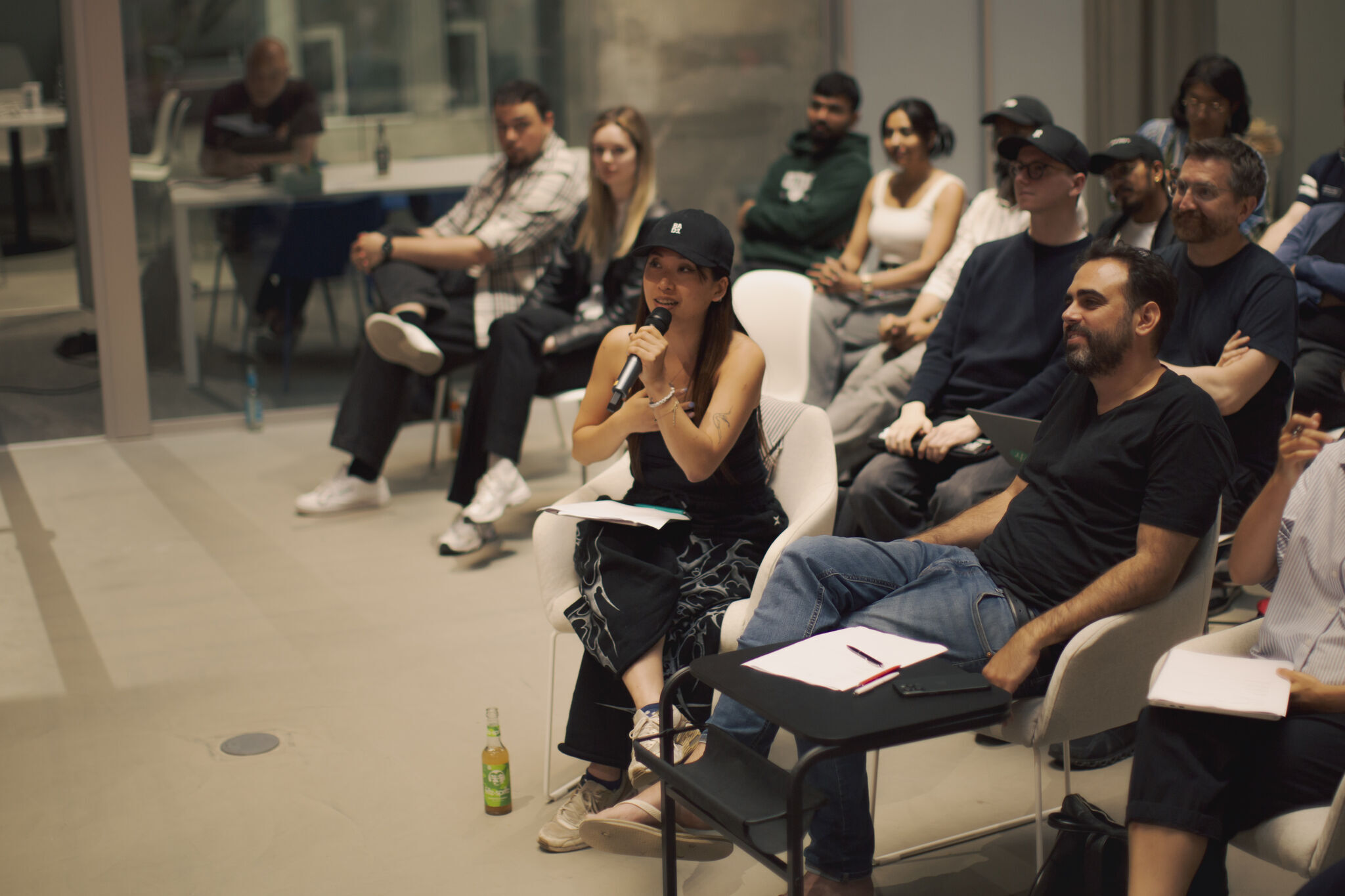
Tips before joining our Studio Open Day
Before applying to The Delta Studio Open Day: read our investment thesis first. Skip the AI-polished copy, say what you're building in one clear sentence. Show us customer validations, not just a prototype, and know your real market size and competitors. Capital doesn't make you an executor, the founders who get a good reply are the ones who've spent their energy talking to clients, not refining words.
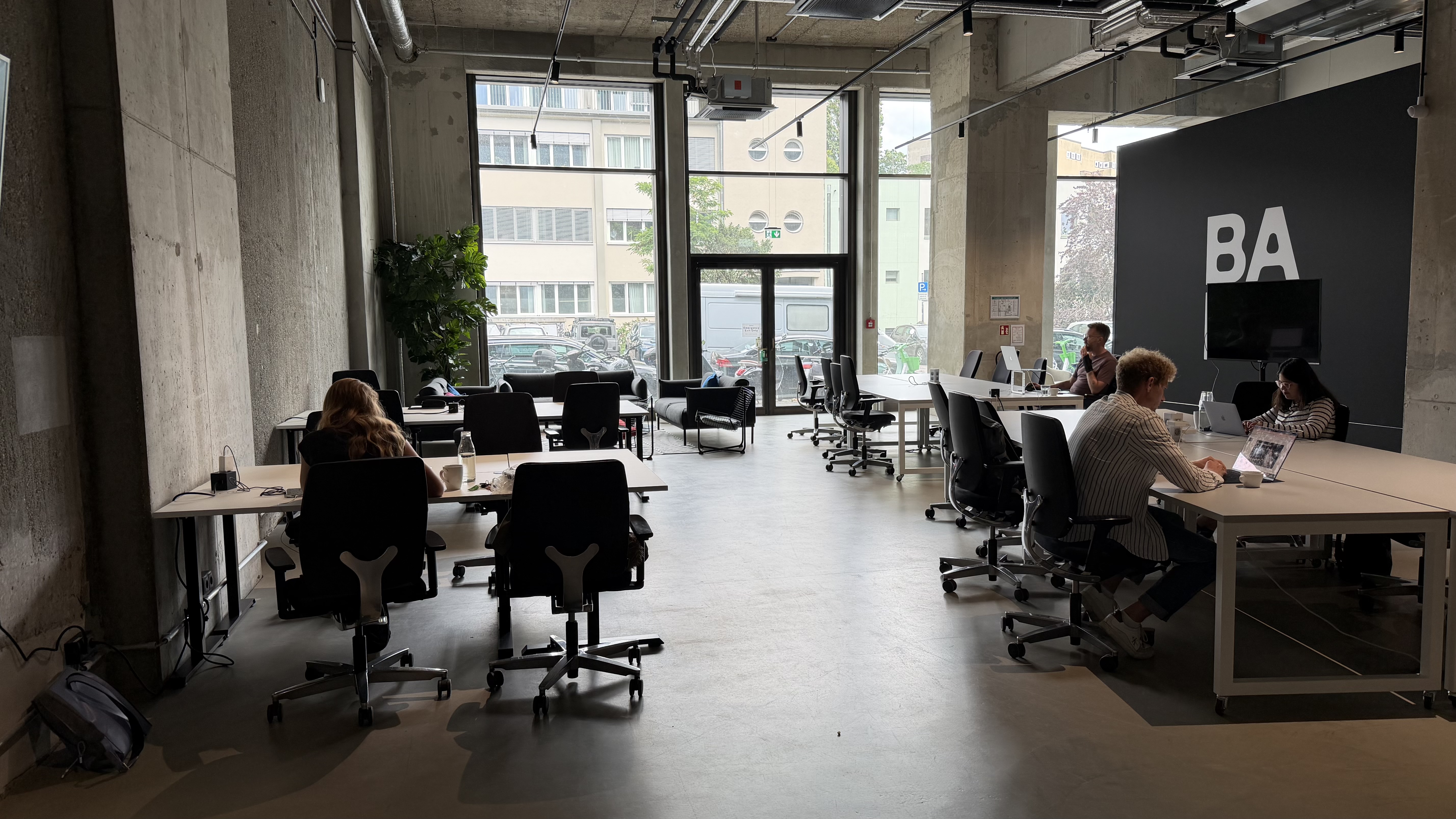
Amenities That Actually Matter in 2026: What High-Performing Teams Expect From Their Workspace
In 2026, the best office amenities aren't about impressing people, they're about creating conditions that make great work easier. Amenities matter, but not because they impress people. They matter because they shape energy, behaviour, and decision making. From natural light and acoustics to breakout spaces, wellness zones, and the basics that shape belonging, workspaces are shifting toward a hospitality-inspired mindset built on care rather than corporate tradition. At The Delta Campus, we see this shift clearly: the best environments protect energy, make conversations easy, and make being together feel worth it.