Every team grows into its space
In the early days, a startup is an idea and all it needs is a laptop, Wi-Fi, and somewhere to think. But as that idea turns into a business, space starts to matter. Where you work shapes how you work. It influences your energy, your rhythm, and your team's sense of identity. The move from a shared hot desk to a private office isn't just logistical; it's symbolic. It marks the moment your startup stops experimenting and starts operating with intention.
At The Delta Campus, this evolution is visible every day. Teams that started in the open coworking area eventually find their way upstairs into a space that's theirs. Some move for focus. Others for privacy. All do it because their company has reached a stage where environment becomes an extension of culture.
Hot desks: where momentum begins
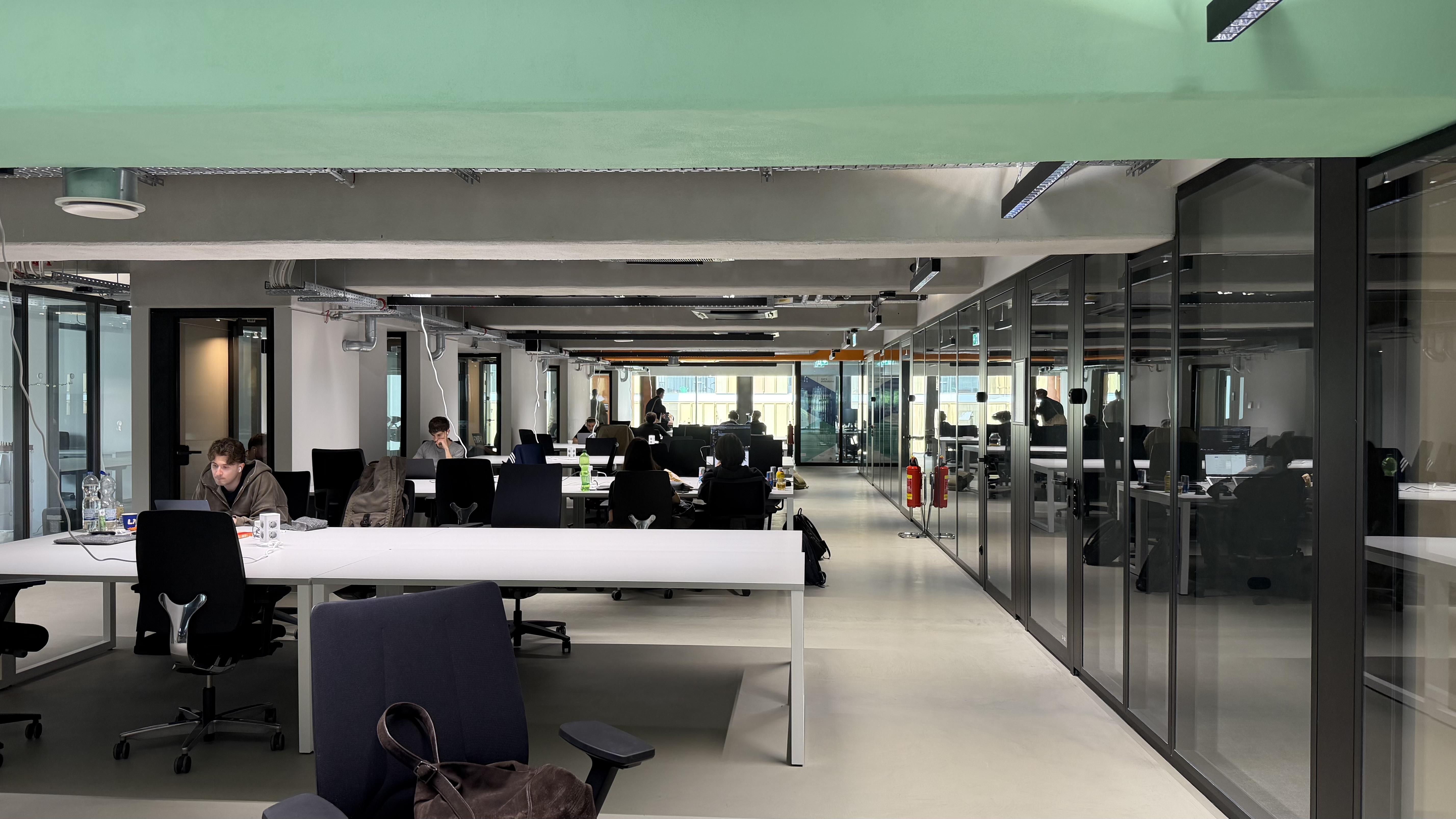
There's a reason most founders start with a hot desk. Flexibility. Affordability. Serendipity. It's the workspace equivalent of an open frontier fast-moving, social, full of cross-pollination. You share energy, insights, and sometimes even challenges. For solo founders or two-person teams, this constant exposure to other builders can be invaluable. It keeps you sharp and accountable.
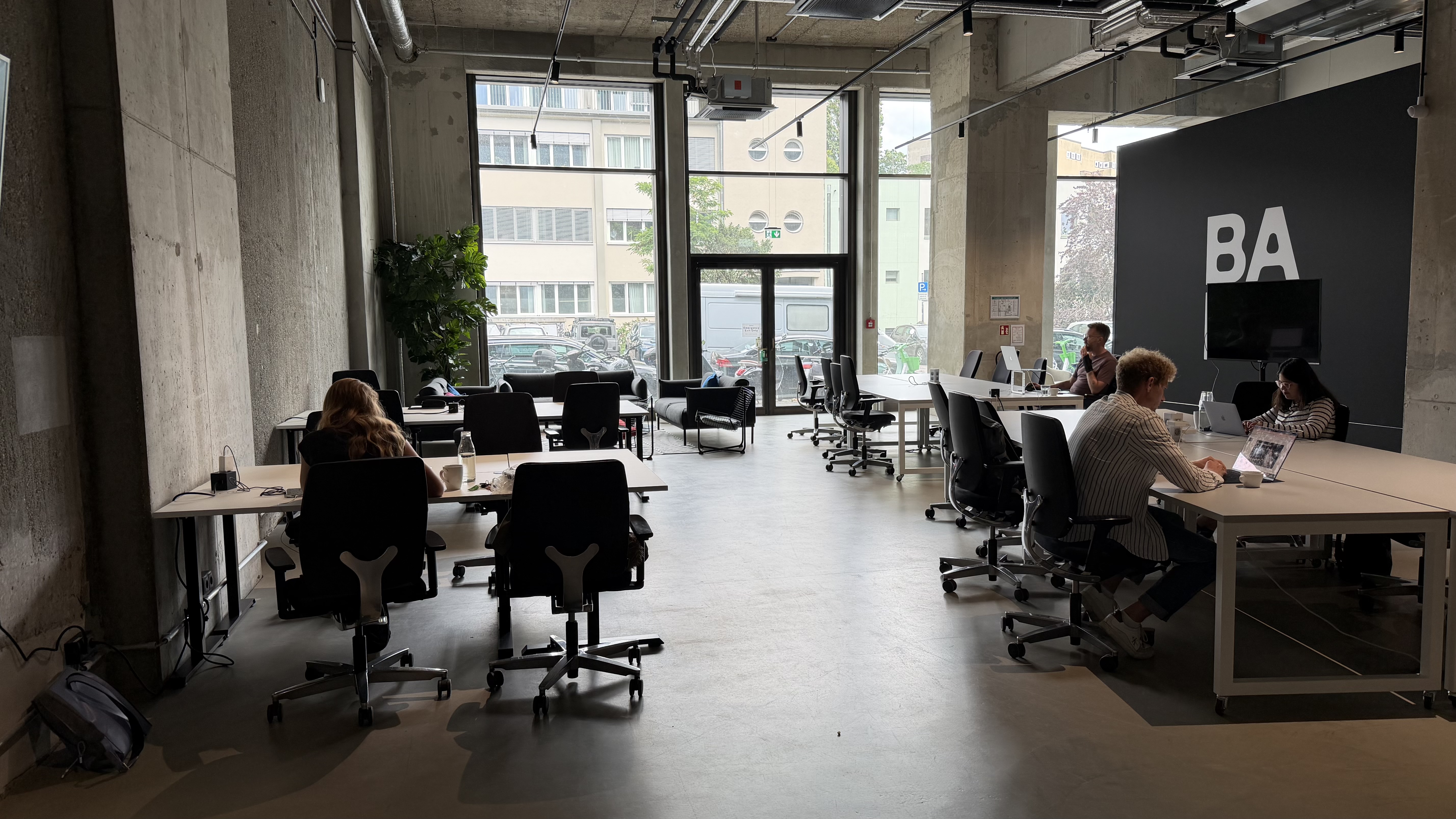
In spaces like The Delta Campus, hot desking isn't just about sitting anywhere but it's about being everywhere. You're surrounded by product designers, marketers, engineers, and investors. Every coffee break can turn into a mentoring moment. Every overheard conversation, a new idea. For early-stage ventures, proximity like this accelerates learning and helps founders find their footing faster.
The turning point
But momentum comes with noise. As your company grows, so do your needs: more structure, more privacy, and more control. There's a point often just after your first few hires or product release, when you realize that constant movement is slowing you down. Meetings get harder to schedule. Whiteboards fill up with half-erased notes. Team focus starts to fray. That's when it's time to move from collective energy to contained direction.
For most teams, this transition happens naturally. The same founders who once thrived in communal chaos begin craving boundaries. They need somewhere to store their ideas, leave their gear overnight, and think uninterrupted. It's not about leaving the community but it's about deepening the work.
The case for private offices
A private office represents a new kind of freedom. It's the space where culture forms, strategy stabilizes, and leadership grows. Within those walls, you set the tone: the pace of meetings, the layout of desks, the soundtrack of your days. You start to define how your company feels from the inside.
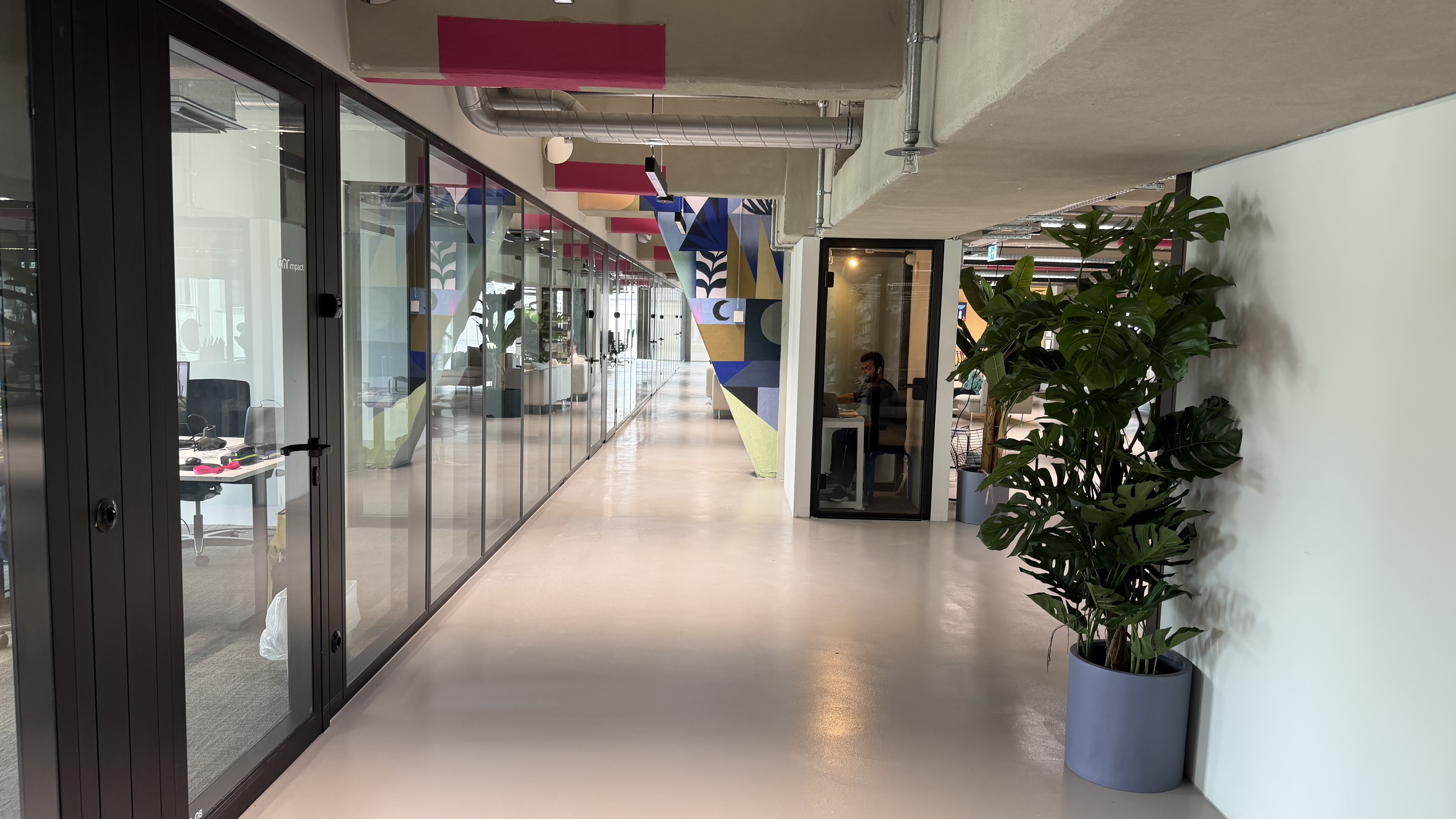
At The Delta Campus, private offices are built for exactly that stage. They're enclosed enough for focus, yet open enough to stay connected to the wider ecosystem. You can close the door when needed and open it when the energy outside inspires you. It's autonomy with access, not isolation.
Culture starts with configuration
Every founder knows that culture isn't what you write down but it's what you design into your daily environment. A shared desk encourages openness and experimentation; a private office reinforces ownership and accountability. Both are valuable at different times. The challenge is recognizing when to shift.
In practice, this shift often aligns with your operational milestones. Once your team expands beyond five people, or you're holding investor meetings weekly, the logistical cost of staying in shared space outweighs the flexibility. The right office layout can save you time, reduce friction, and elevate morale. It signals to your team and to yourself that you're building something durable.
The psychology of space
Space influences more than workflow. It shapes emotion. Founders working from shared desks often describe feeling "in the mix" energized, inspired, alert. Those in private offices describe "flow" the deeper, quieter kind of productivity that scales results. Neither is better; both are necessary at different phases of the journey.
At The Delta Campus, this isn't an either-or decision. Many teams adopt hybrid patterns: mornings spent in private work, afternoons spent in the Atrium or Assembly for conversation. The architecture encourages movement between focus and exchange mirroring the way startups actually operate.
When it's time to evolve
You'll know it intuitively. When your calendar fills with client calls. When your team starts leaving belongings in every corner. When your creative energy is spent managing distractions instead of making decisions. That's when your workspace needs to evolve with you.
Moving into a private office isn't about prestige. It's about precision. It's about having a space that reflects your company's maturity and supports your next level of execution.
Designing for both energy and calm
The Delta Campus was built around this exact rhythm. Founders can start in co-working and seamlessly transition into private offices without losing the connection to community. Shared areas downstairs keep ideas circulating. Quiet rooms upstairs anchor deep work. Every part of the building reinforces a cycle of creation, reflection, and growth.
Even within private offices, the design language remains consistent: natural light, tactile materials, acoustic balance, and an understated aesthetic that helps focus, not distract. The architecture doesn't impose culture but it supports it.
Scaling space, not just startups
In Berlin's fast-growing startup scene, flexibility has become a non-negotiable. But flexibility isn't just about lease terms; it's about how well your space can adapt to what your business needs next. At The Delta Campus, teams can grow organically; adding desks, shifting layouts, expanding into larger offices without ever leaving the building that shaped their early days.
This continuity matters. It protects momentum, preserves relationships, and strengthens identity. As ventures scale, they don't outgrow the Campus but they grow deeper into it.
Building a home for ambition
Ultimately, the question isn't hot desk or private office? It's what does your next stage require of you? Early-stage founders thrive in community; scaling teams thrive in structure. The Delta Campus gives you both the pulse of proximity and the quiet of focus under one roof designed for your evolution.
Whether you're a two-person team searching for your first desk or a scaling venture ready for your own space, explore The Delta Campus offices and find a home that grows with your ambition.
Written by Louis Buys
Founder & CEO