An honest conversation about what really limits growth
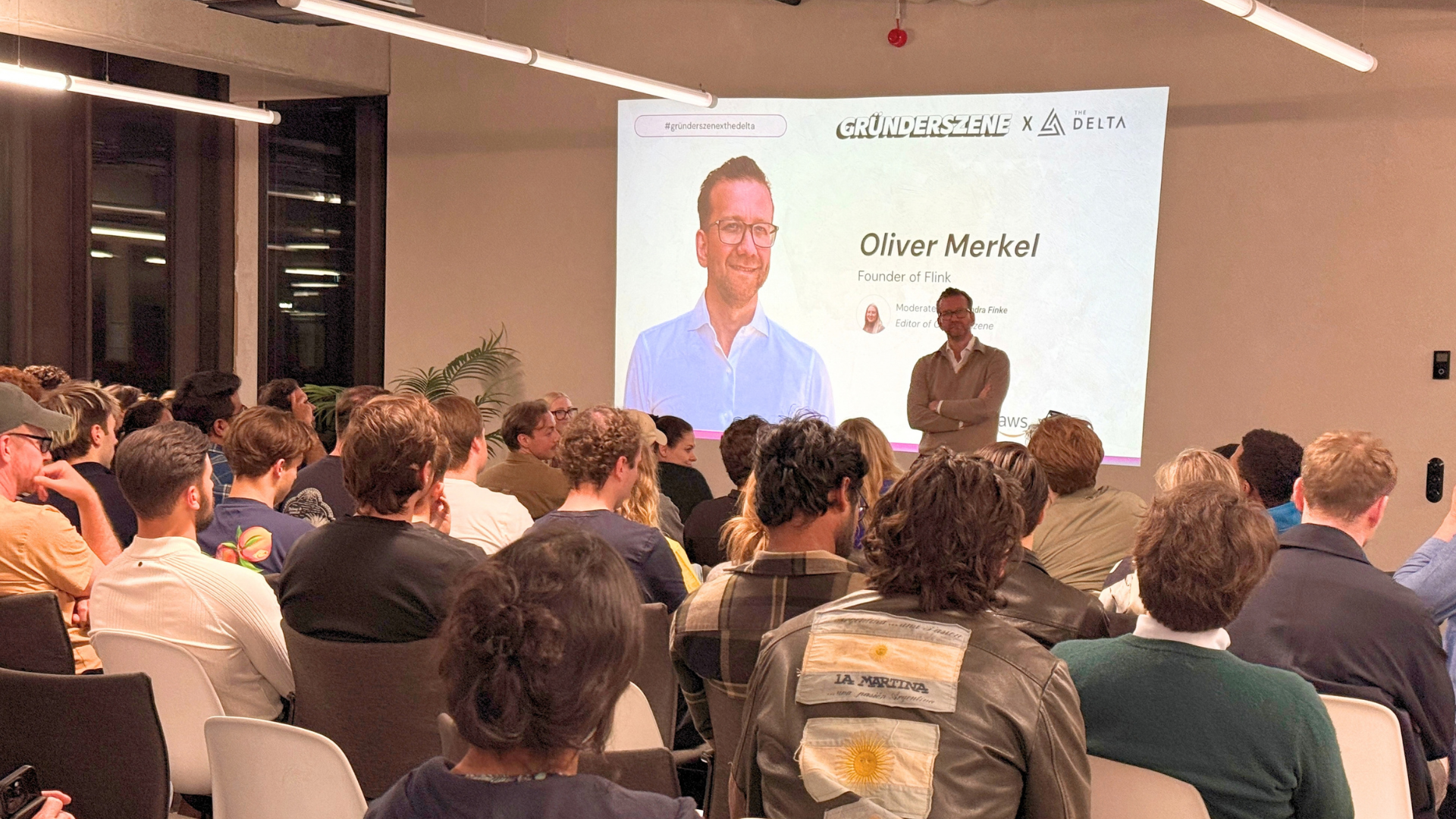
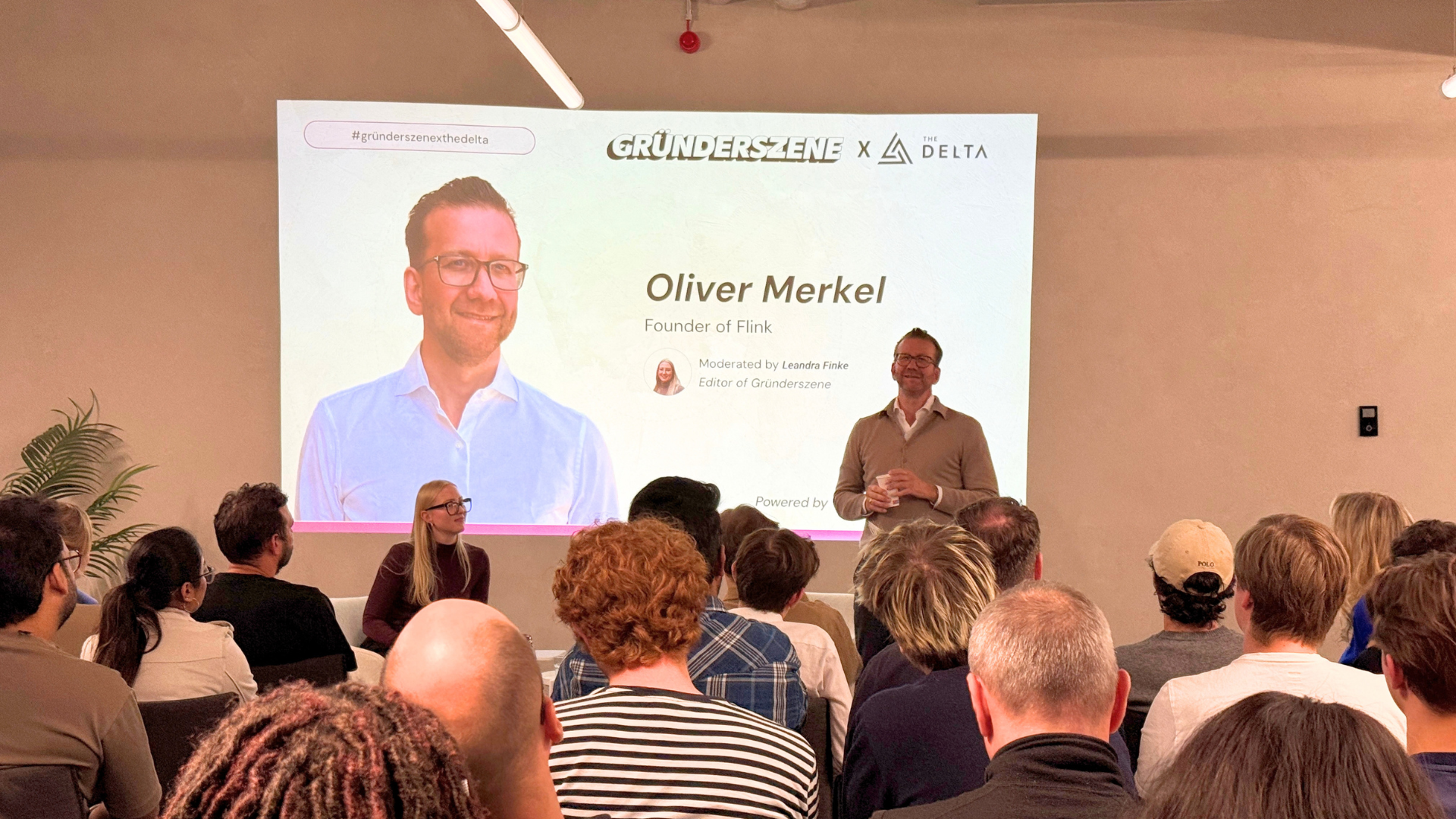
We recently hosted the first Gründerszene × The Delta Campus event, an evening built around candid founder conversations rather than the usual startup hype.
Our co-founder and chairman, Julian Teicke, opened the night with a reflection on what he’s learned through scaling Wefox into one of Europe’s largest insurtech companies and later building The Delta ecosystem.
Instead of focusing on strategy or fundraising, Julian spoke about something far more personal, the inner work of being a founder.
He started with a simple but uncomfortable truth:
“You can’t scale your company faster than you scale yourself.”
It’s a line that landed with quiet recognition in the room. Every founder in Berlin knows the intensity of building, the long hours, constant uncertainty, and the feeling that the company grows faster than you can keep up. Julian’s point was that this imbalance isn’t a side effect of entrepreneurship but it’s the central challenge.
When your company outgrows you
Julian shared that the real bottleneck in any startup isn’t the product or the market but it’s the founder’s own capacity to evolve.
He described leadership as a process of constant self-expansion, where you need to see reality more clearly and act on it faster than anyone else.
“The job of a CEO is reality sensing,” he said. “It’s about seeing what’s really happening, not what you wish was happening.”
As companies scale, the number of signals increases: new hires, customer feedback, shifting market dynamics. Some are signs of momentum, others are warning lights. The challenge is noticing both early enough to act.
Julian spoke openly about moments where he misread those signals.
During Wefox’s preparation for an IPO, for example, he completely restructured the board, adding independent members and formal processes that, in theory, made sense. But in practice, he says, it changed the dynamic from one of shared trust to competing interests.
“What looked good on paper actually weakened the relationships that had built the company,” he said. “That was my blind spot and it cost me clarity.”
Discomfort as a growth tool
Julian described founder growth as a four-part curve: Alpha (comfort), Beta (discomfort), Gamma (chaos), and Delta (clarity).
Most people, he said, try to avoid the Beta and Gamma phases, the moments of uncertainty or tension by rationalising or distracting themselves. But those are the exact moments where transformation happens.
“When things feel uncomfortable, that’s not a signal to pull back,” he said. “That’s where the work begins.”
Rather than escaping discomfort, founders need to stay with it to look directly at what feels hard or unclear and use it as data.
For Julian, practices like reflection, meditation, and surrounding himself with a trusted community of peers have been essential tools for this kind of growth.
Growth starts with awareness
Julian’s message was clear: real leadership isn’t about charisma or confidence but it’s about awareness.
Awareness of your blind spots.
Awareness of your impact.
Awareness of how your own patterns can limit or unlock your company’s potential.
It’s the kind of conversation that doesn’t often happen on startup stages and that’s exactly why we wanted it to happen here.
At The Delta Campus, we believe that growth, personal and professional, starts with community. Conversations like these are reminders that scaling a company isn’t just about building a great product; it’s about building the version of yourself that can lead it.
Founder Learnings
- The company can’t grow beyond the founder’s self-awareness.
- The CEO’s real job is “reality sensing” noticing what’s true before others do.
- Discomfort isn’t failure but it’s the entry point to growth.
- The right community can help founders process and integrate difficult lessons faster.
Written by Alexandra Matthews
Chief Operating Officer