Community by design, not by chance
In the modern startup world, "community" has become one of the most overused words. It's plastered on websites, attached to co-working memberships, and used to describe everything from Slack groups to networking drinks. But at The Delta Campus, community isn't a buzzword but it's an architecture. A carefully designed system of proximity, shared intent, and mutual respect that turns a collection of founders into an ecosystem that actually works.
Every event, every introduction, and every partnership that happens at The Delta is part of a larger choreography. It may look effortless, a mix of co-working energy, intimate masterclasses, and thoughtful gatherings but beneath the surface lies intention. And that intention is what makes The Delta Campus different from anywhere else in Berlin.
The philosophy of curation
Most communities are built through access; The Delta builds through alignment. The question isn't "Who wants to join?" but "Who belongs here?" That distinction changes everything. It ensures that every person in the room contributes to a culture of trust and forward momentum. It's what makes conversations meaningful instead of transactional, and what gives events their distinctive atmosphere, open, but anchored.
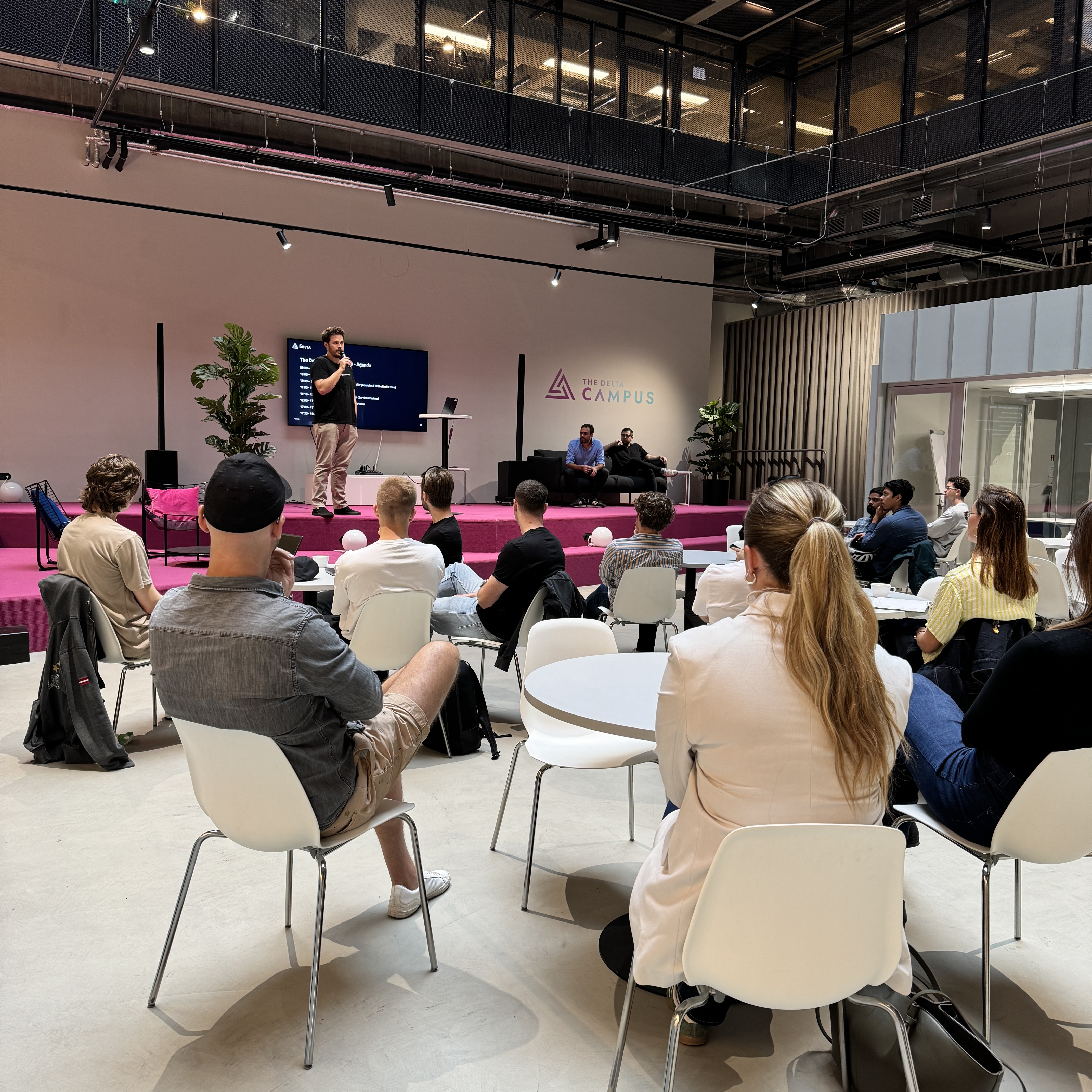
When founders walk into a Campus event, whether it's a Campus Spotlight, a Masterclass, or a Founders Co-working Day, they immediately sense it. The room feels different. There's focus without pressure, warmth without noise. People talk to learn, not to perform. That's the quiet power of curation as it protects quality while allowing connection to flourish naturally.
Less networking, more belonging
The Delta's approach to connection rejects the transactional logic of traditional networking. Instead of trying to connect everyone to everyone, Delta creates small, intentional circles where collaboration can actually grow. It's a model inspired more by craft guilds than conferences such as groups of founders who share ambition, experience, and curiosity.
Inside these circles, introductions happen organically but thoughtfully. A founder building a logistics platform might be introduced to another working on sustainable supply chains. A designer building brand systems might be paired with a fintech team ready to scale. These connections feel personal because they are. They're made by people who understand the nuance of fit, not algorithms or spreadsheets.
The architecture of trust
Trust doesn't scale easily, but it compounds when designed intentionally. That's why every aspect of The Delta Campus from its spatial layout to its membership process is built around human psychology. Open areas encourage light interaction; private rooms foster deep work. Common spaces like the Atrium and Assembly act as neutral ground, where hierarchy dissolves and curiosity takes over.
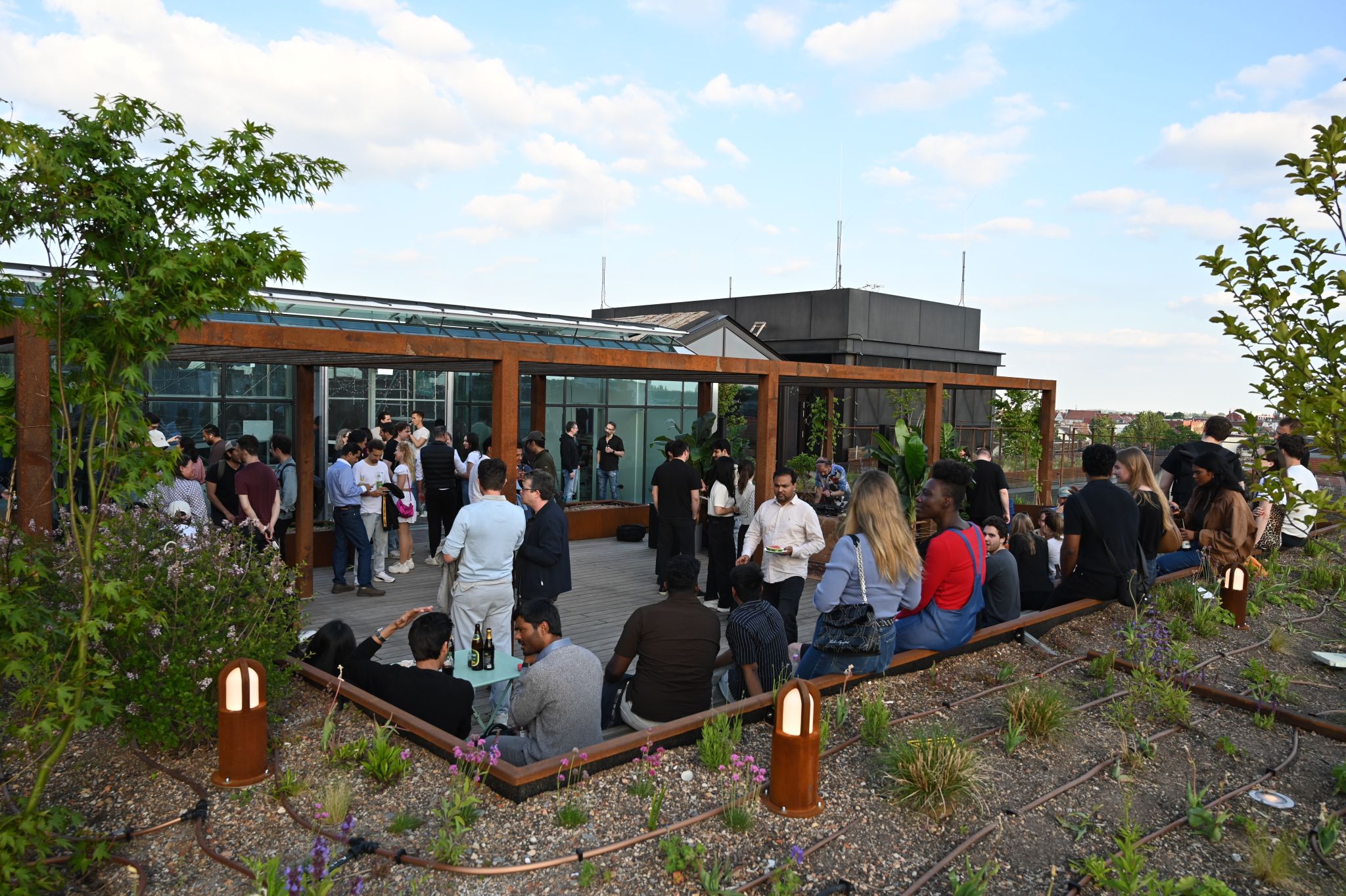
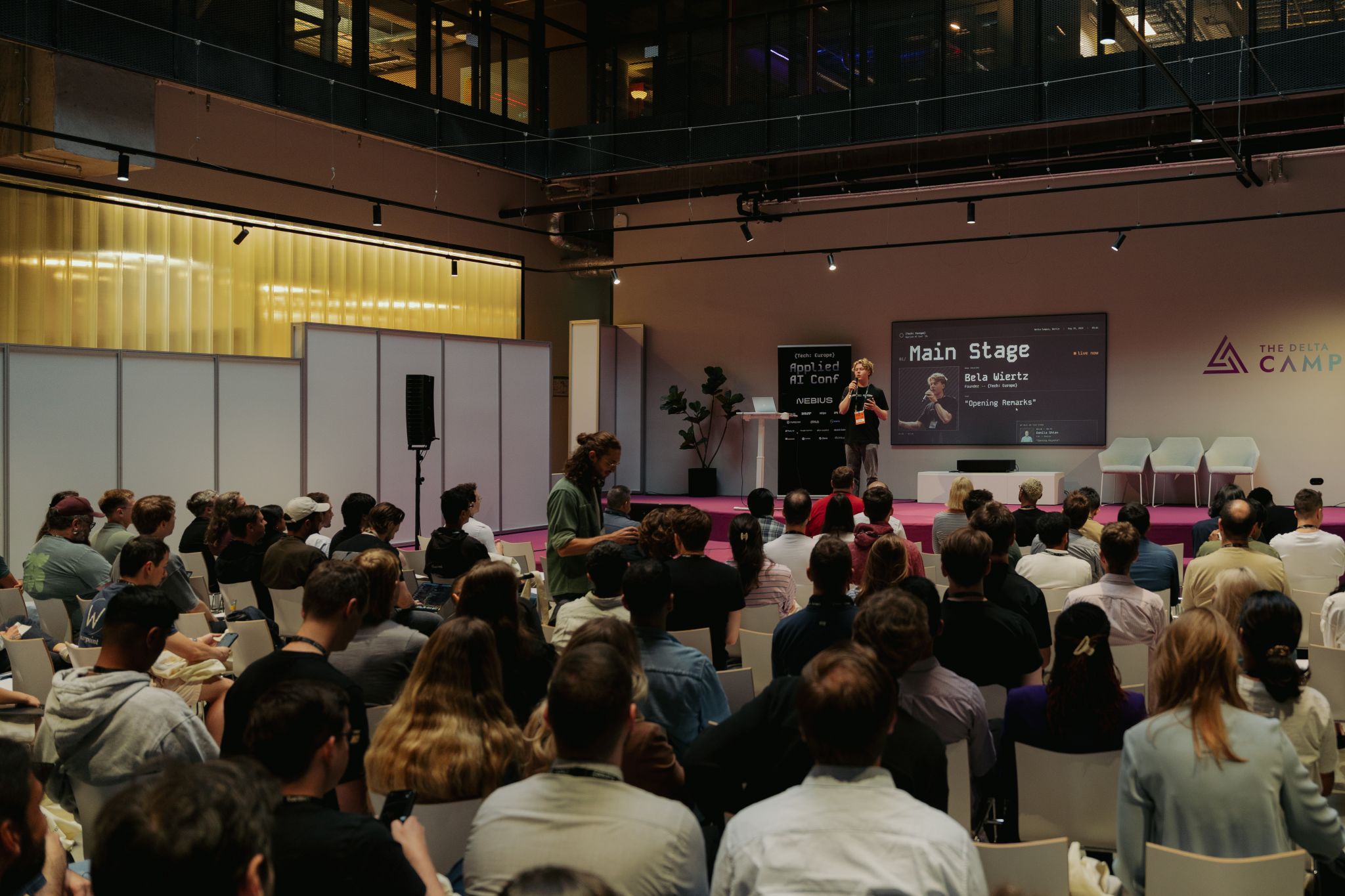
Events, too, are designed to build trust incrementally. Smaller gatherings come first, masterclasses, coworking days, mentoring sessions. As familiarity grows, larger events like Campus Spotlight or Gründerszene x The Delta Campus become opportunities to celebrate collective progress. By the time founders take the stage or share a drink in Assembly, they're not strangers but they're peers.
Curation as a service
Behind the scenes, The Delta team operates less like event managers and more like cultural architects. They observe, connect, and design experiences that create genuine value. A member's introduction to an investor isn't random but it's the product of weeks of understanding what both sides need. A speaker invitation isn't based on celebrity but it's based on alignment of purpose. Every detail, from who's in the room to what's on the table, reinforces a consistent ethos: depth over scale, meaning over reach.
This approach takes time. It demands attention to detail and patience to let relationships grow. But it's also why Delta's community feels rare. You can't automate care. You have to build it into the system.
When design and behaviour align
The Delta Campus isn't just a collection of rooms but it's a behavioural framework. Its design nudges certain patterns: collaboration without chaos, dialogue without ego, focus without isolation. It's no accident that many founders who join The Delta Campus end up staying for years. They're not just renting space; they're embedding themselves in a network that evolves with them.
And that evolution is mutual. As founders scale, so does the ecosystem's capacity. The Campus expands, the network deepens, and each member becomes part of the story shaping what comes next. This reciprocity between individual and collective growth is the essence of curation done right.
Why it matters now
In an era of endless noise and overstimulation, founders crave clarity. They don't need more introductions; they need better ones. They don't want more events; they want experiences that restore perspective. The Delta Campus meets that need by bringing craft back to community by treating it as something to be built, tested, and refined with care.
Every connection that happens here serves a purpose. Some lead to collaborations, others to friendships, many to insights that compound over time. That's what makes curation valuable: it gives founders not just access, but direction.
Community as infrastructure
What The Delta has proven is that community can be more than culture, it can be infrastructure. The Campus's events, spaces, and networks function like the operating system for Berlin's next generation of founders. They create rhythm, accountability, and shared standards. The result is an environment where people don't just attend events but they grow through them.
And that's the art of curated community: building not a crowd, but a culture. One where trust, talent, and timing meet and where founders find not just opportunity, but belonging.
If you're a founder, investor, or operator looking to connect within a community that values intention over noise, explore The Delta Network or take a look at our events to see how you can get involved.
Written by Alexandra Matthews
Chief Operating Officer