After Rebuy, Lawrence Leuschner helped build one of Europe’s most recognisable mobility brands: TIER Mobility.
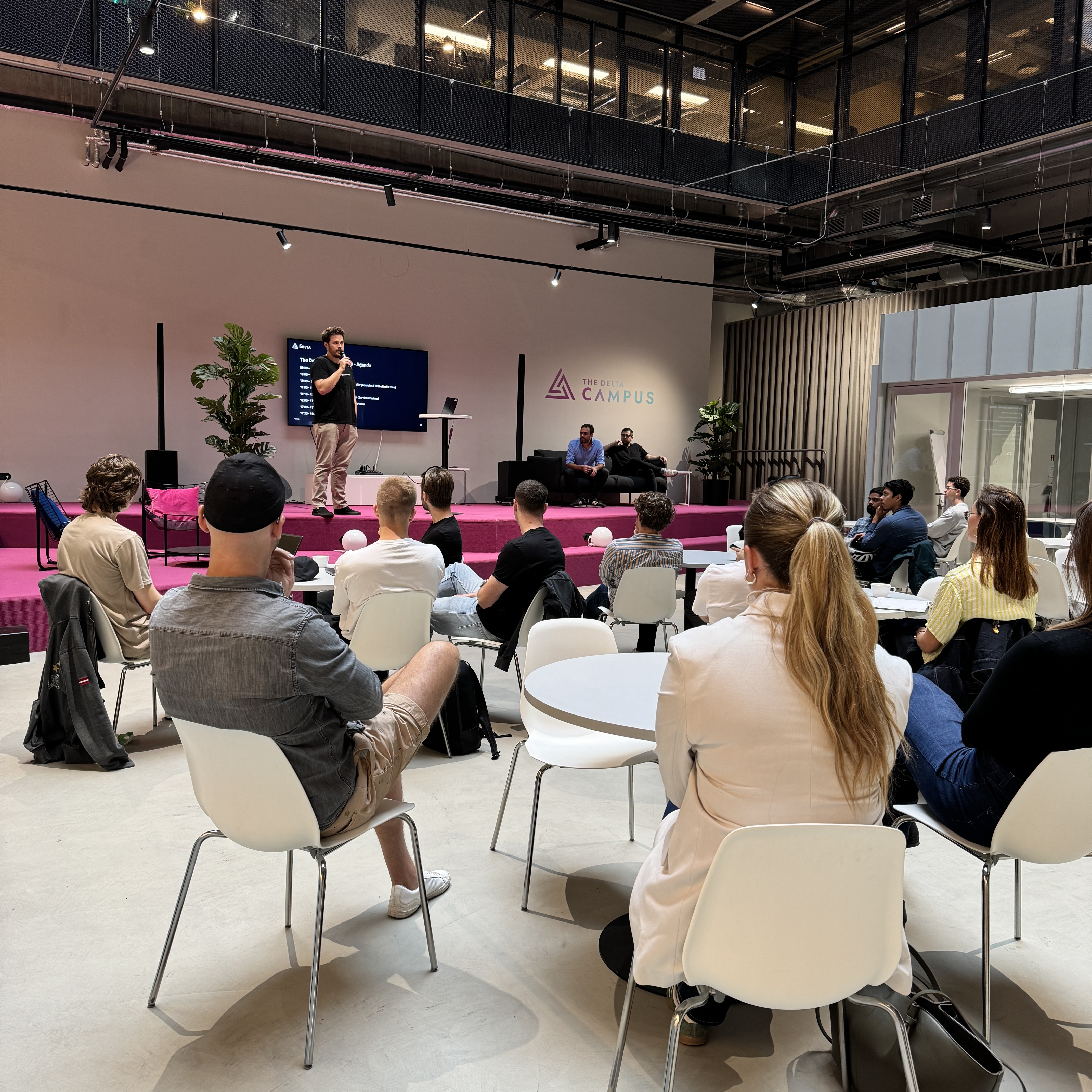
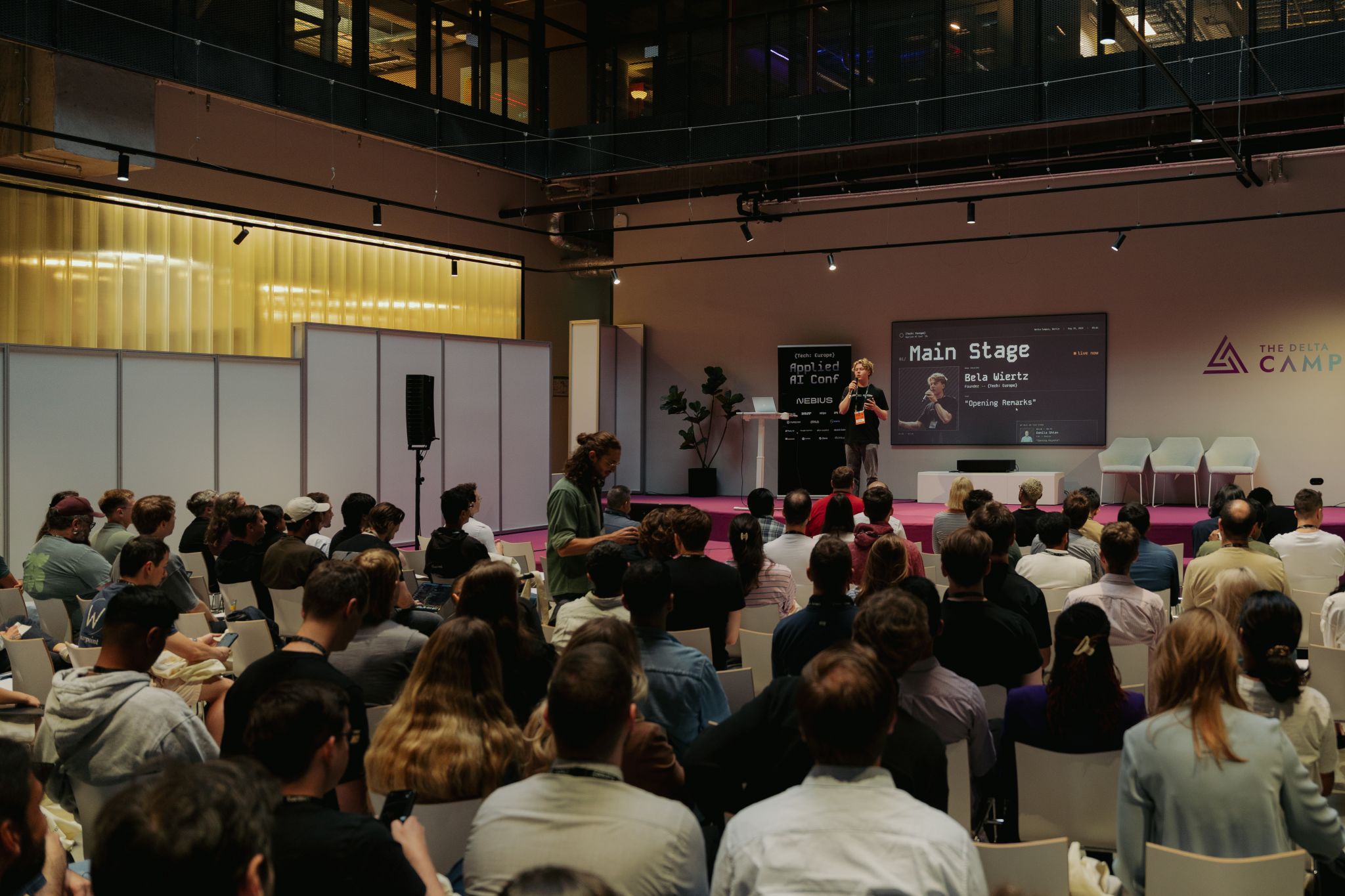
At the second Gründerszene × The Delta Campus edition, he told the TIER Mobility story without the usual shine. Yes, it scaled fast. Yes, the market was on fire. And yes, the cost of that speed shows up later emotionally, culturally, and financially.
This was not a talk about winning. It was a talk about what happens after the win.
The seed round in a week, then everything accelerated
Lawrence described how Tier came together in a classic high momentum moment: the market was hot, competitors were raising huge rounds, and investor appetite was extreme.
They raised €1.8 million after a week with little more than a PowerPoint. Then they raised a major Series A shortly after.
The early days were pure execution: buy a scooter, test it, recruit fast, fly to suppliers, deploy in a city, repeat.
They moved at a pace that would be absurd in most industries and completely normal in that moment of European micro mobility.
How did they open 500 cities
Their operating model sounded almost unreal: choose a city, send someone tomorrow, find a warehouse, hire locally, scooters arrive in a week.
It was land grab logic. Capital was there, competition was coming, and the goal was to capture territory.
Lawrence was honest about what that creates:
- inefficiencies
- wrong hires
- decisions that do not scale
- chaos disguised as ambition
Could they have grown slower? Yes. But the market timing made speed feel non-negotiable.
Hiring for drive, not polish
One of his strongest points was about hiring under pressure. Tier needed people who could learn fast, move fast, and handle discomfort. Not consultants. Not perfect résumés.
His interview style was deliberately simple: conversation, speed of thinking, and a lot of reference calls. He also asked candidates a blunt question multiple times: this will be exhausting, are you ready?
Many were. Some were not. At the hypergrowth scale, you find out quickly.
COVID and the shock of going to zero
Then came the moment every growth story avoids: the cliff.
City after city shut down. Revenue dropped. The entire model was threatened.
Lawrence described that period as one of the team’s strongest phases: resilience, improvisation, and doing what others would not. They pushed to keep operating, convinced leaders, adapted processes, and found ways to move through uncertainty.
The part founders do not post on LinkedIn
The hardest section of the conversation was about layoffs.
As rates rose and capital tightened, Tier hit the wrong combination: high growth expectations and asset heavy reality. Losses were enormous, and profitability became the mandate.
Lawrence spoke about the emotional weight of entering calls knowing people would lose their jobs, and the complexity of restructuring across countries, selling parts of the business, renegotiating debt, and trying to keep the organisation intact.
He also shared a clear hindsight lesson: staged layoffs create prolonged fear. If the situation is truly severe, a decisive cut early can be kinder than multiple waves.
What changed his leadership in crisis
His main leadership principle in hard times was authenticity.
Not pretending. Not hiding. Facing it directly, showing emotion, being human, and staying visible. People can handle bad news. What breaks trust is feeling like leadership is hiding.
Founder Learnings
- Hyper growth is a market tactic, not an identity
- Speed creates debt: hiring debt, process debt, culture debt
- In a crisis, authenticity beats optimism theatre
- Layoffs in waves prolong uncertainty, decisive action can reduce harm
- Leadership is not tested during momentum, it is tested during contraction
If you want to build with people who tell the truth about the journey, not just the highlight reel, join the community at The Delta Campus. Come by for a tour and meet founders who are in it for the long game.
Written by Alexandra Matthews
Chief Operating Officer