Why a curated 48-hour build is the highest-signal hiring channel in tech right now and how to run one that actually lands talent.
Hiring exceptional engineers is broken in a specific way: the people you most want to hire are the least likely to apply. They're employed, they're building, and they're not refreshing job boards. So you post a role, read 400 CVs, run five rounds of interviews, and at the end you've assessed how someone performs in an interview; not how they build.
A hackathon inverts the whole thing.
Instead of asking talent to prove themselves on your terms in a sterile room, you watch them do the actual job: take a real problem, work under pressure, collaborate with people they've just met, make trade-offs, and ship something that works. In 48 hours you learn more about how a person thinks and builds than five interviews will ever tell you. And critically; you reach the people who'd never apply, because a great hackathon is something builders want to attend.
This is why companies are quietly treating hackathons as a recruiting channel, not a marketing stunt.
What you're actually evaluating. A well-run hackathon surfaces the things a CV can't: how someone scopes an ambiguous problem, whether they build for show or for shipping, how they behave when the clock is against them, and whether other strong builders gravitate toward them. When hallo theo ran their Applied AI Hackathon at The Delta, ~50 pre-vetted builders spent two days shipping deployment-ready solutions to real challenges in operationally complex industries. By the end, the organisers weren't guessing who the strong engineers were; they'd watched them work.
The candidates are pre-qualified before they arrive. The vetting at the application stage does half your sourcing for you. A curated hackathon with the right partners and prizes attracts a self-selecting pool of ambitious, technical people and filters out the rest. You're not widening the funnel; you're sharpening it.
The pull is the prize stack and the room. Top builders show up for top tools and serious peers. At that theo event, Anthropic sponsored Claude credits for every participant, Stripe put up $5,000 in fee credits for the winners, and ElevenLabs offered months of Pro and Scale tiers to standout teams. That's not a perk but it's a signal that real companies take this seriously, which is exactly what high-calibre talent screens for.
The follow-up is warm, not cold. After a hackathon, your outreach isn't "we saw your profile." It's "we watched you build, we were impressed, let's talk." That's the difference between a recruiter email that gets ignored and a conversation that converts.
There's a catch, and it's the whole game: this only works if the hackathon is genuinely good. A weak format in a forgettable space produces weak signal and damages your brand with the exact people you're trying to impress. The environment, the challenges, the partners, the mentor support and the production all have to be serious. Builders can tell instantly whether an event respects their time.
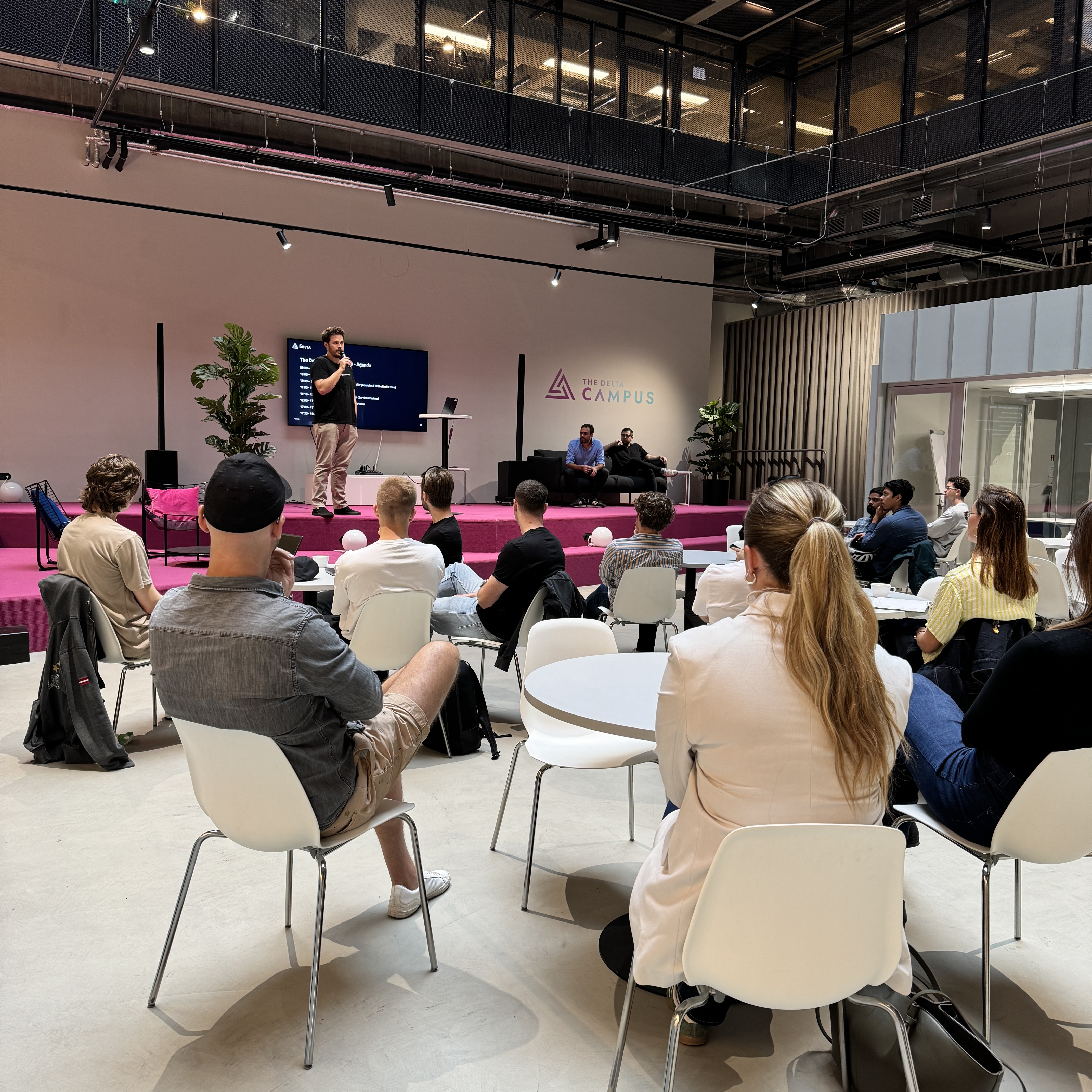
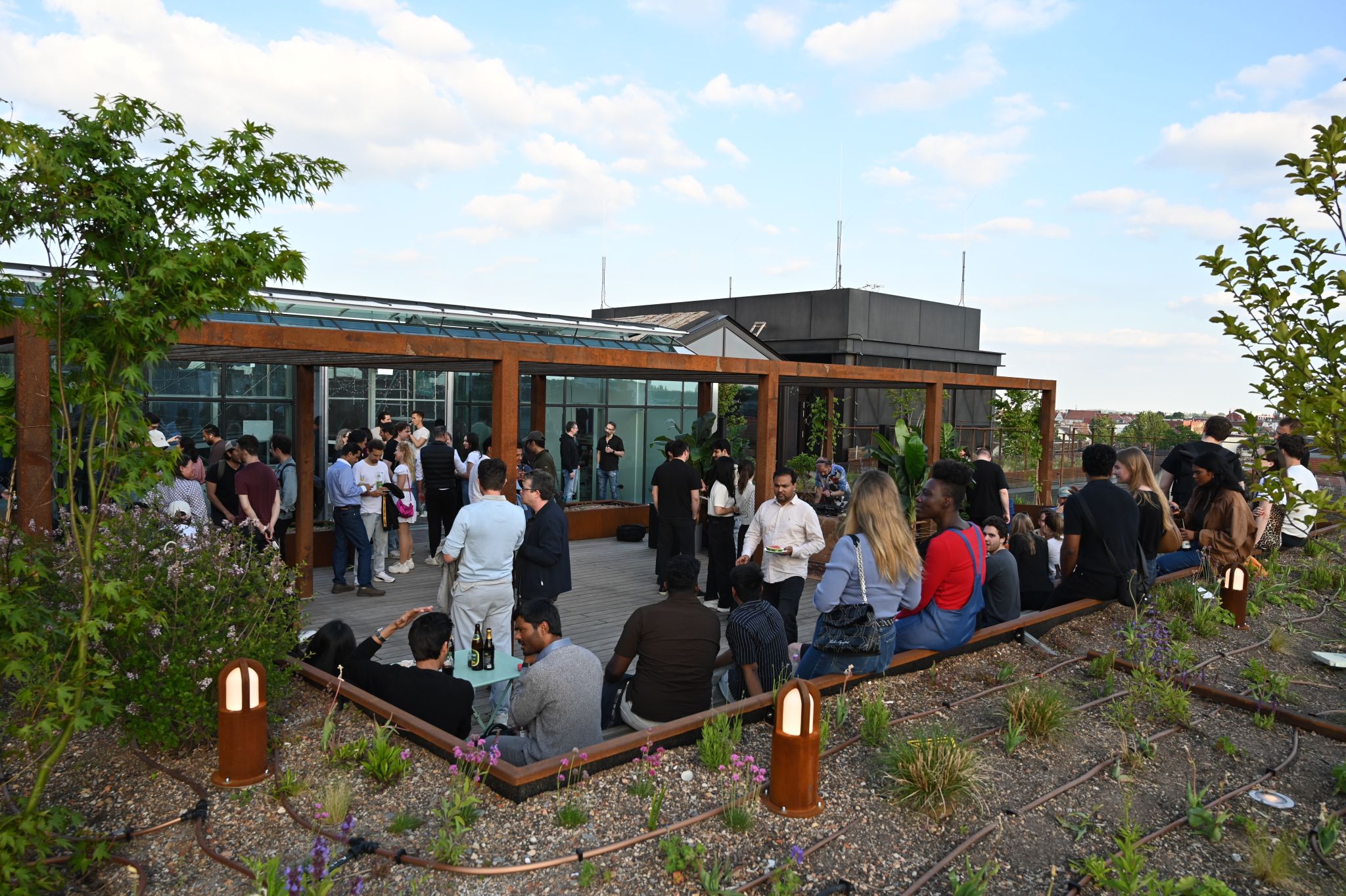
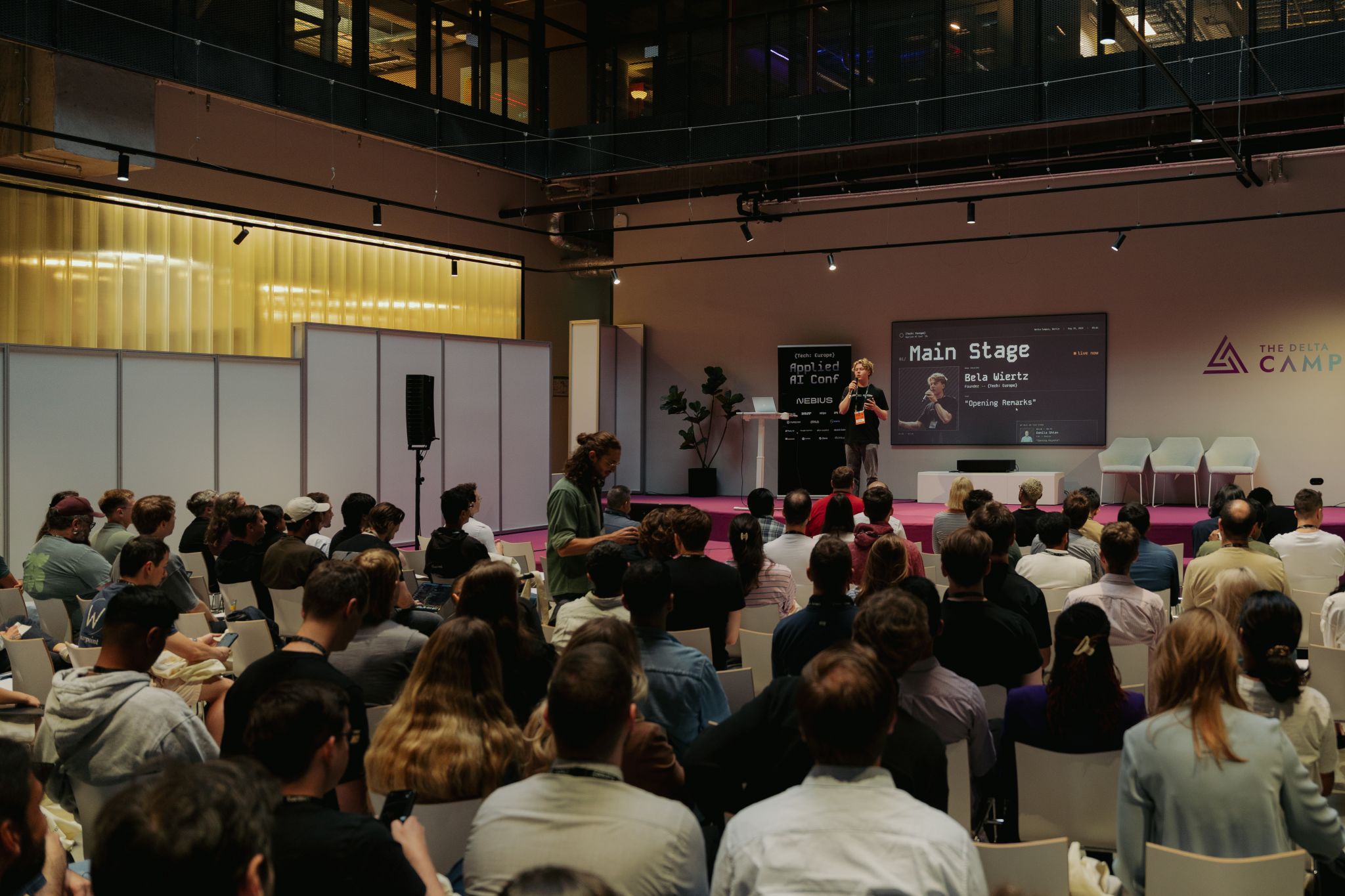
That's the part worth getting right and the part we produce. We run curated hackathons at The Delta on a campus built for it: an industrial atrium, a real demo stage, breakout space, a rooftop, overnight access, and a production team that owns the whole weekend so you can focus on the talent in the room. It's why Tech Europe runs their hackathons with us.
If your hardest hiring problem is reaching the engineers who'd never apply, this is one of the highest-leverage things you can do all year.
Want to run a hackathon that lands talent? Let’s chat!
Written by Elisabeth Sabeditsch
Partner