
- Dr. Gero Decker built Signavio in business process management, a market he was told for years was boring, and sold it to SAP in 2021 for 957 million euros.
- A McKinsey internship taught him that framing is a multiplier: the same product, told with a better narrative to buyers with deeper pockets, can be worth ten times more.
- Signavio nearly ran out of cash while growing fast because nobody had written an invoice for two months, a lesson in why no single person should hold finance, HR and operations without a backup.
- By 2015 roughly 70% growth and a 40 to 45% EBITDA margin drew around 15 term sheets and a $31 million round at a $72 million pre-money valuation.
- Being willing to walk away, with a planned IPO as the alternative, helped move SAP from an opening offer of 700 million to 957 million euros, with 180 million going to employees.
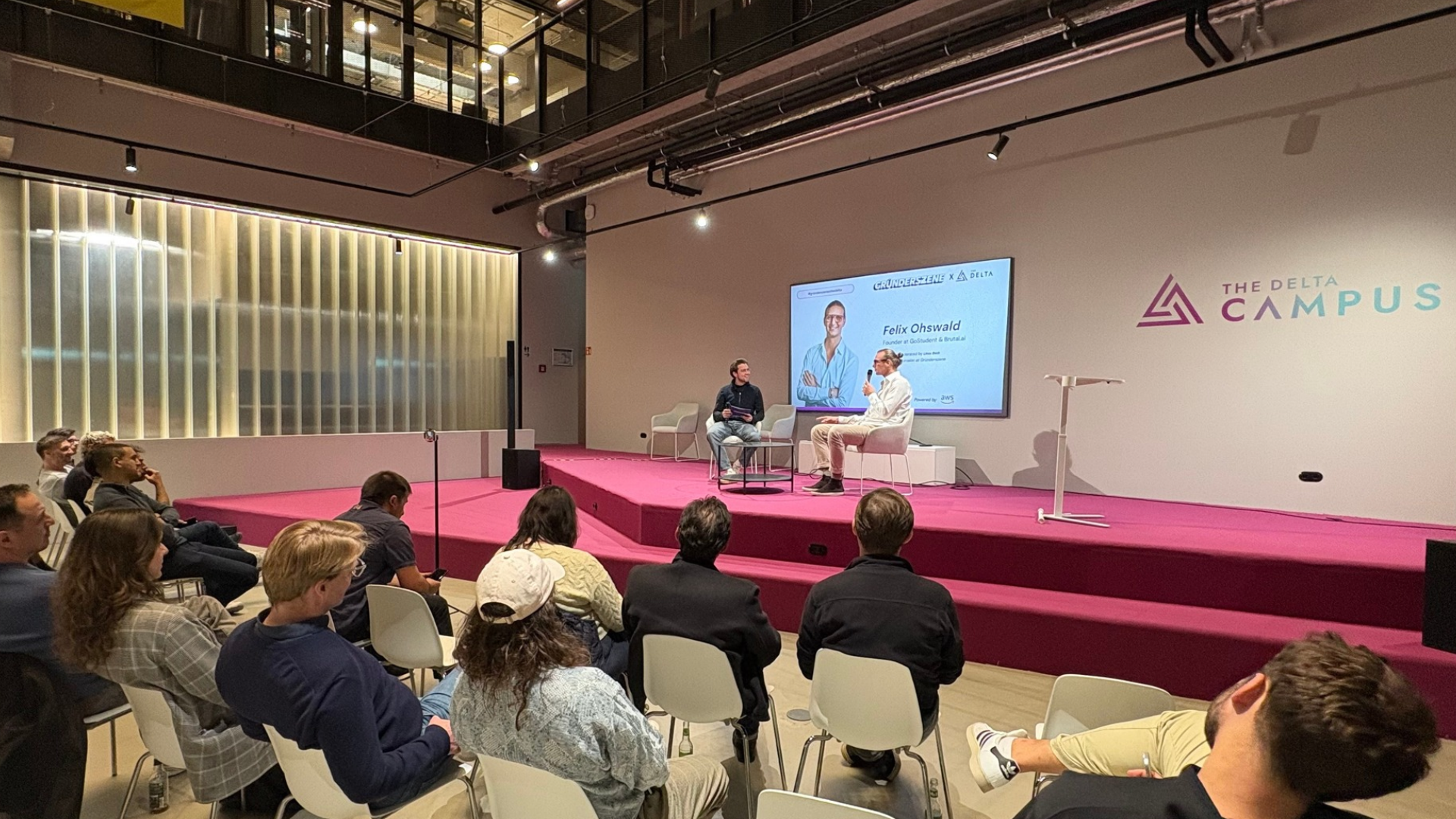
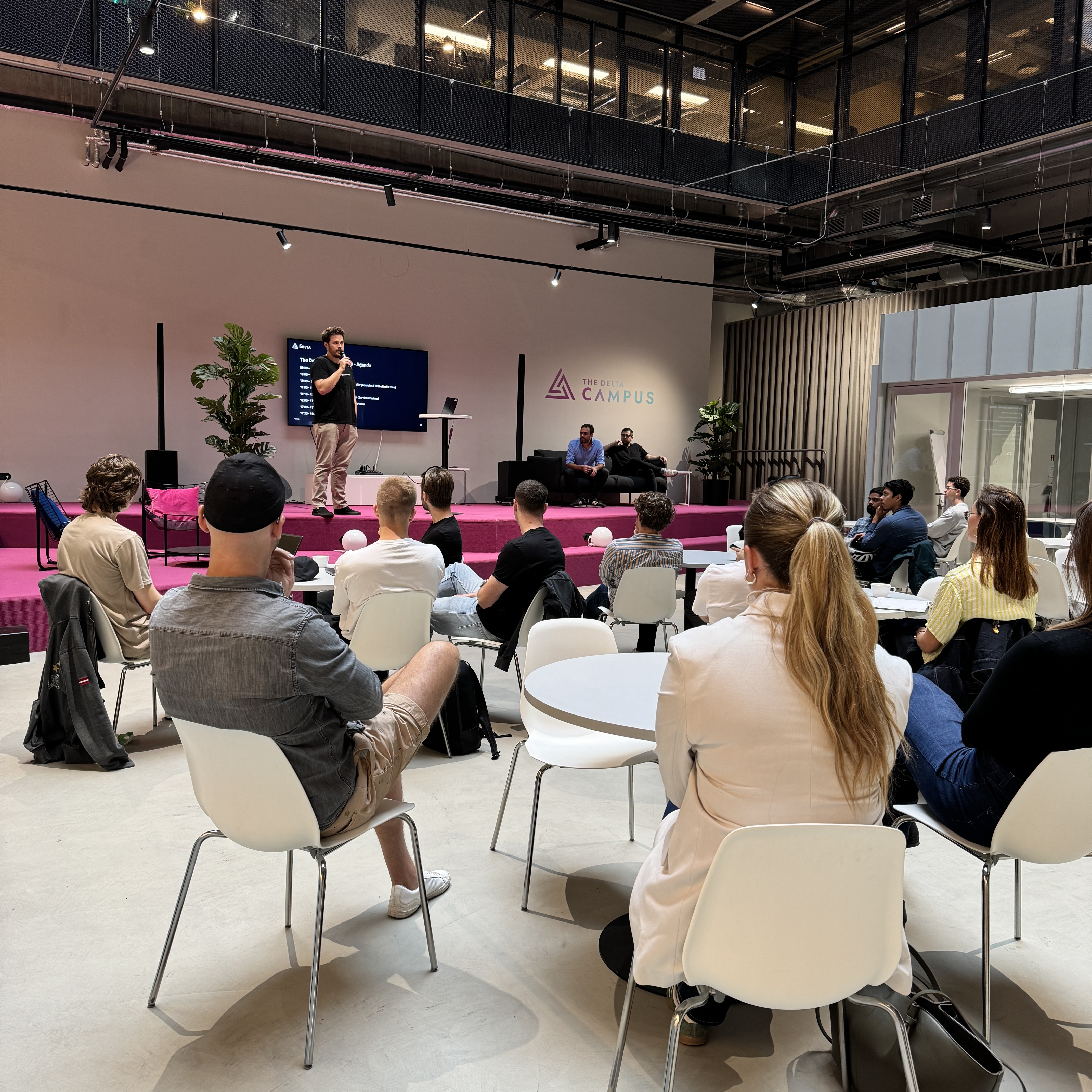
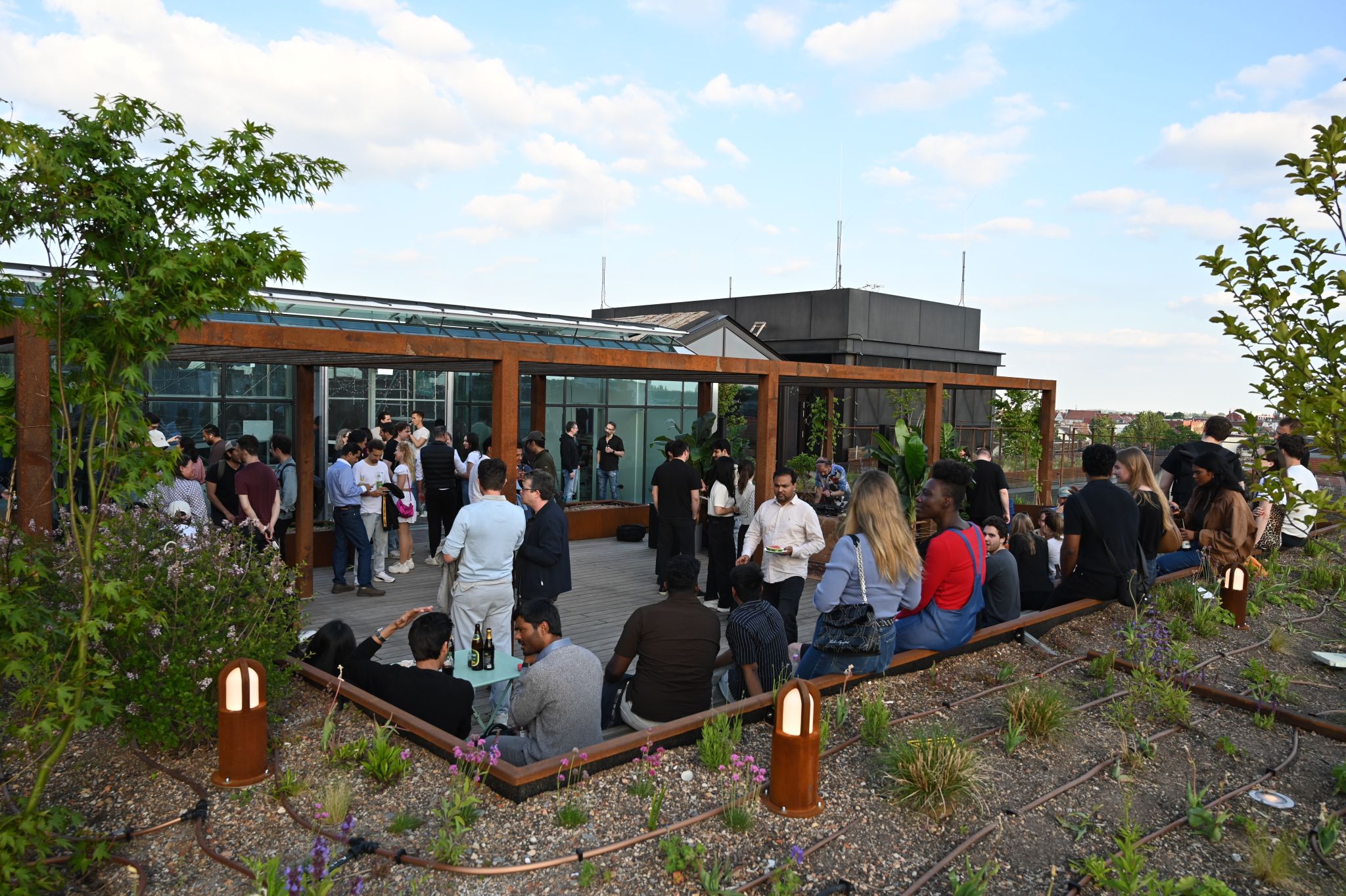
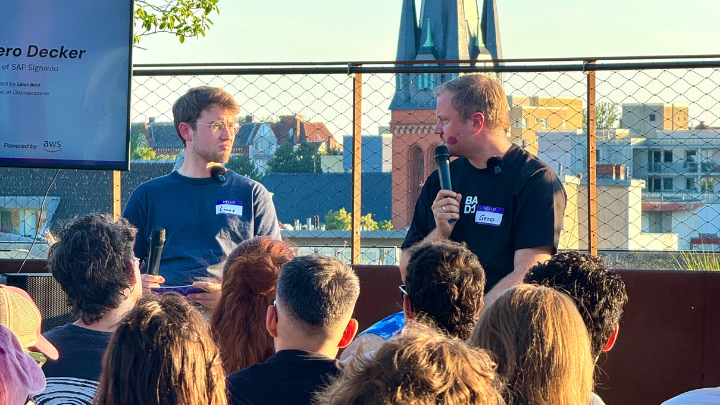
At the 8th edition of Gründerszene × The Delta, Dr. Gero Decker joined the stage for a conversation about building one of Europe's most successful enterprise software companies in a market everyone told him was boring.
As Co-founder and CEO of Signavio, acquired by SAP in 2021 in one of Europe's largest enterprise software exits, Gero is proof that category-defining companies can be built from Berlin. But as he reminded the audience, it all started with a nerdy kid in Wolfsburg who loved computers because they simply did what he told them to.
The kid who built a game for Zaha Hadid
Gero started coding at 11 or 12 on an MS-DOS computer his father brought home. He was, in his own words, one of the nerdy guys in school who loved mathematics. The computer was magical for one simple reason: if you didn't have a bug, it did exactly what you told it.
He found a group of friends as nerdy as he was, and together they built the kind of projects that make teenage coders locally famous. The biggest one: when architect Zaha Hadid was constructing the Phaeno Science Center in Wolfsburg, the group pitched her their love of computer games. She challenged them to build one that lived inside the building she was designing. They did, together with her team, and it was shown at Expo 2000.
The lesson stuck early. Very nerdy work can suddenly make you a pretty cool person, if people like what you have built.
The coincidence that led to Potsdam
Gero's path to the Hasso Plattner Institute was pure chance. His father, an academic in physics, had once shared an office with Henning Kagermann, who went on to become CEO of SAP. During a visit to the family home, Kagermann heard the teenager wanted to program computers and pointed him to a brand-new institute his boss had just founded in Potsdam. Gero took the train, spent three hours brainstorming with a professor who took him seriously, and never really left. He was part of HPI's second-ever class, and stayed through a PhD.
It was also where he made the most expensive "no" of his life. In 2006, Hasso Plattner personally pitched him a spot among the first ten people building a new database project called HANA. Gero's answer: "This is a database. It's so boring." HANA became one of SAP's most important products. Plattner didn't speak to him for 15 years.
The McKinsey wake-up call
Midway through his PhD, Gero got bored and took unpaid leave to intern at McKinsey. Four weeks into a Deutsche Telekom project, he was asked to calculate the value of the team's contribution. He arrived at half a billion euros, delivered by a team of four. His boss called it solid work. The client bought it happily.
The wake-up moment was not about consulting. It was about framing. If you frame things right, build the right narrative, and deliver it with credibility, the same work that would otherwise sell for 20 euros gets showered in gold. He would return to that lesson again and again at Signavio, hunting for the moments where elevating the narrative could 10x the revenue of the same underlying product.
Three years, holding hands
Signavio began as an open source project. Inspired by Writely, the startup that became Google Docs, Gero and his friends figured that if someone could put Word in the browser, they could do the same for diagrams. The commercial insight followed: the most expensive drawing anyone makes is a business process diagram. A private sketch is worth a euro. A diagram of how a company runs its sales is worth thousands.
Gero, self-confessedly someone who switched hobbies every six months, planned to help for six months and return to McKinsey. His co-founder Torben had other ideas: he would only join if everyone committed to at least three years. Gero agonised for nights, then said yes, mostly because he assumed the company would fail within six months anyway. The founders sat around a table, held hands, and repeated the promise three times.
The co-founder on a one-way flight to Mexico
Two and a half years in, one of his co-founders burned out and called Gero from the airport. He was flying to Mexico the next morning and wasn't sure he was coming back. He was also the only person with access to the bank accounts, the entire finance, HR, and operations function in one person. Gero's first question was brutally practical: who runs the next payroll?
Worse came later. A monthly report showed cash draining towards zero within three months, at a time when the company was growing fast. The reason: nobody had written a single invoice for two months. Sales commissions were changed overnight so nobody got paid until the customer had paid, an emergency funding round was raised, and the company survived. For a founder who trusts people by default, discovering the need for checks and balances was one of the most painful moments of the journey.
The round that changed everything
By 2015, the numbers spoke for themselves: roughly 70% top-line growth with a 40 to 45% EBITDA margin. When Gartner featured Signavio, investors started calling weekly. The process ended with 75 interested investors, around 35 management meetings, and roughly 15 term sheets. Signavio raised $31 million on a $72 million pre-money valuation, unheard of for a German software company at the time, with $29 million of it as secondaries straight into the founders' and early shareholders' pockets.
A negotiation like a Turkish bazaar
In 2020, in the middle of COVID chaos, SPAC offers, and a term sheet from Silicon Valley Bank, SAP called. New CEO, new strategy, and a desire to lead in business processes again. Gero's answer: no, we're going public.
SAP insisted. The negotiation that followed was, in Gero's telling, a Turkish bazaar. SAP opened with a ridiculously low 700 million. Signavio countered with a ridiculously high 2.3 billion. They met at 957 million euros, a number Gero liked because rounded up, it's a billion. Roughly half went to the founders, and 180 million euros went to employees. His negotiation principle: you only get a good deal if you are willing to walk away at any time, and if nobody in a deal suffers a little, it wasn't a good deal.
Founder Learnings
- Unsexy markets are underrated. Signavio was told for years that business processes were boring, and the space went on to produce Celonis, UiPath, and one of Europe's biggest exits.
- Free competitor products are the easiest thing to compete with. Nobody loves free stuff, not the people who build it nor the people who use it. Money creates love and commitment.
- Framing is a multiplier. The same product sold with a better narrative to people with deeper pockets can be worth ten times more.
- A company is a combination of a thousand things. If a single person holds several of them with no redundancy, one phone call from an airport can nearly kill you.
- Never negotiate without an alternative. The willingness to walk away, at any moment, is what turned a 700 million offer into 957.
If you are ready to start building, The Delta Campus is where that journey begins, so book your tour now or contact us.