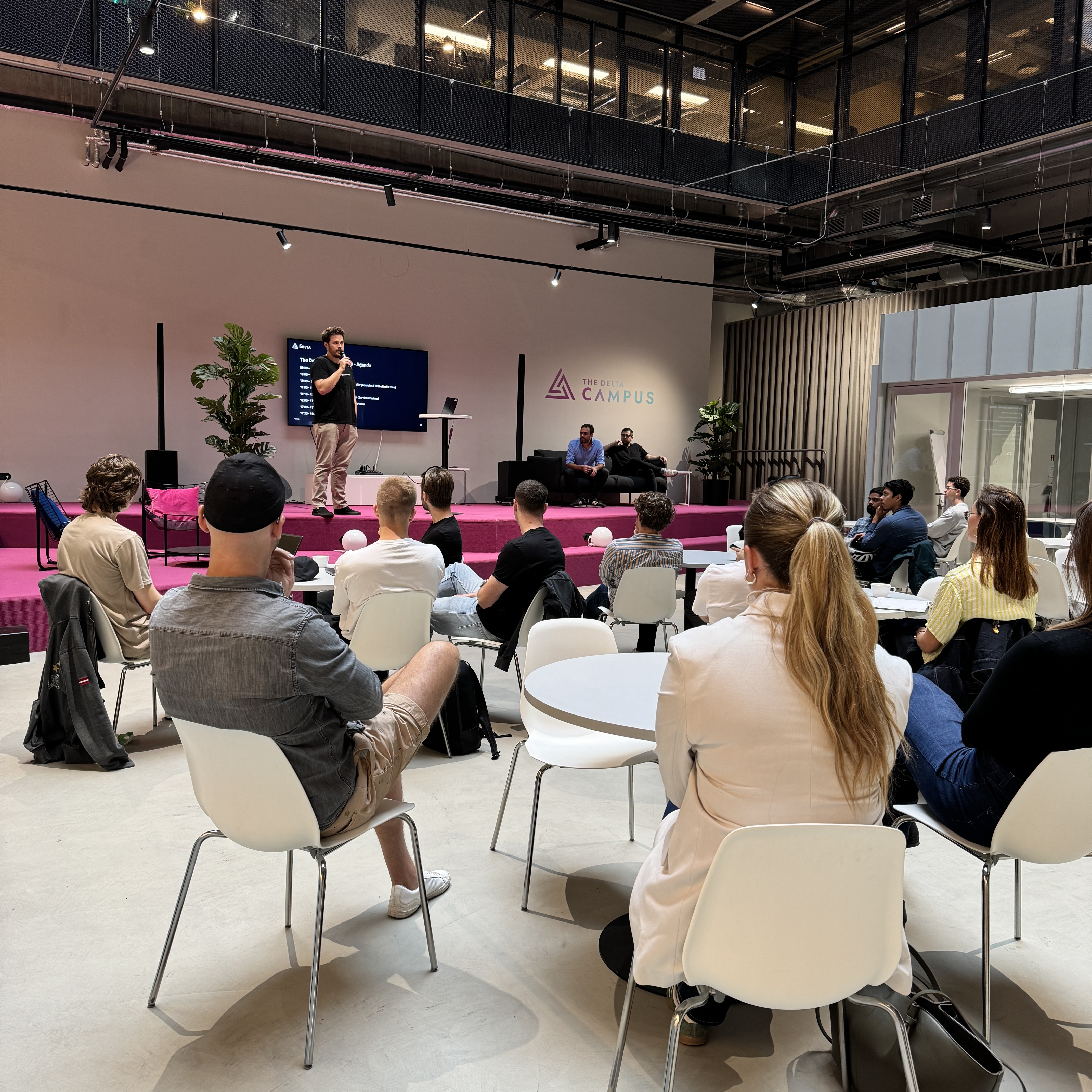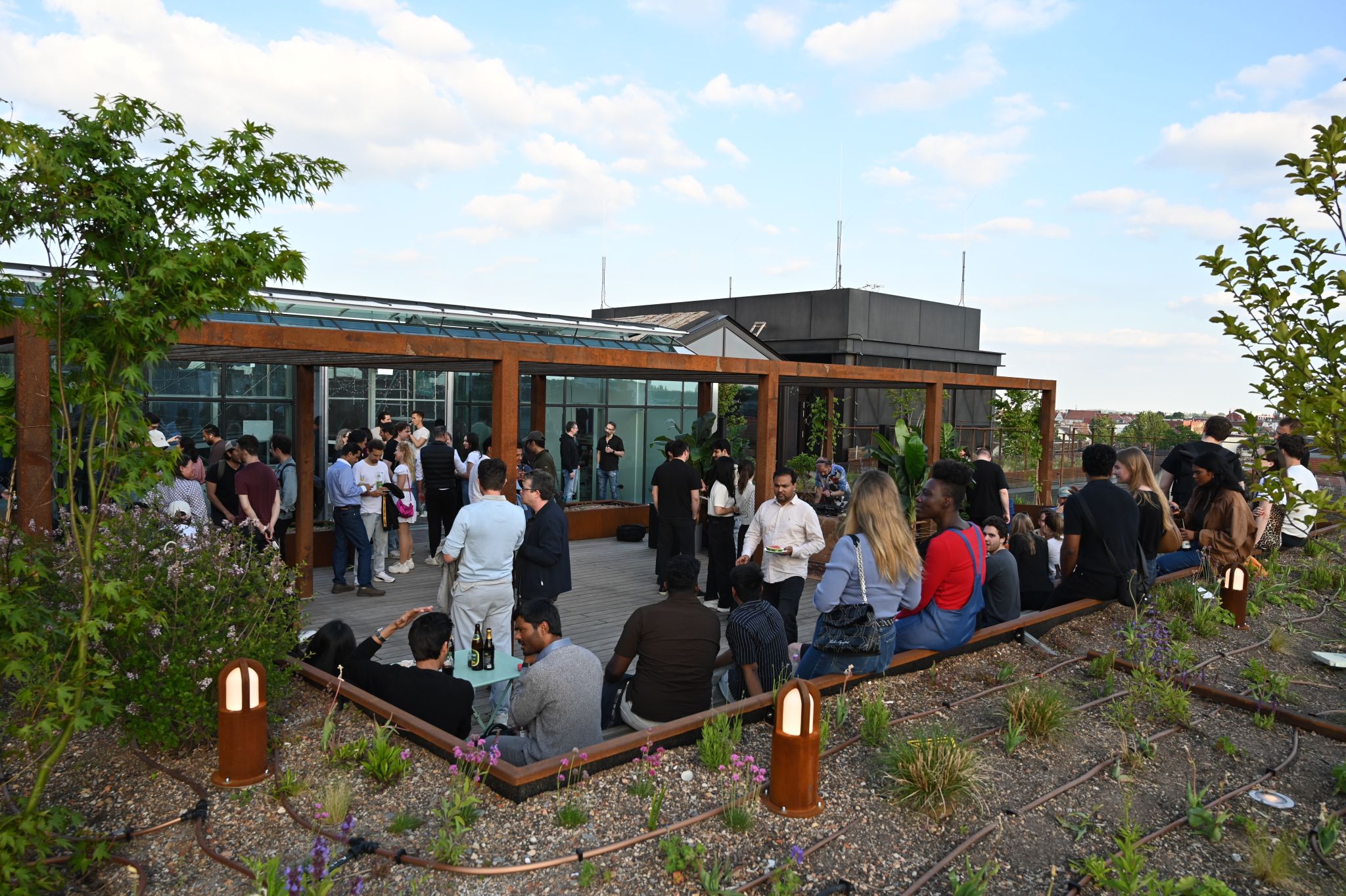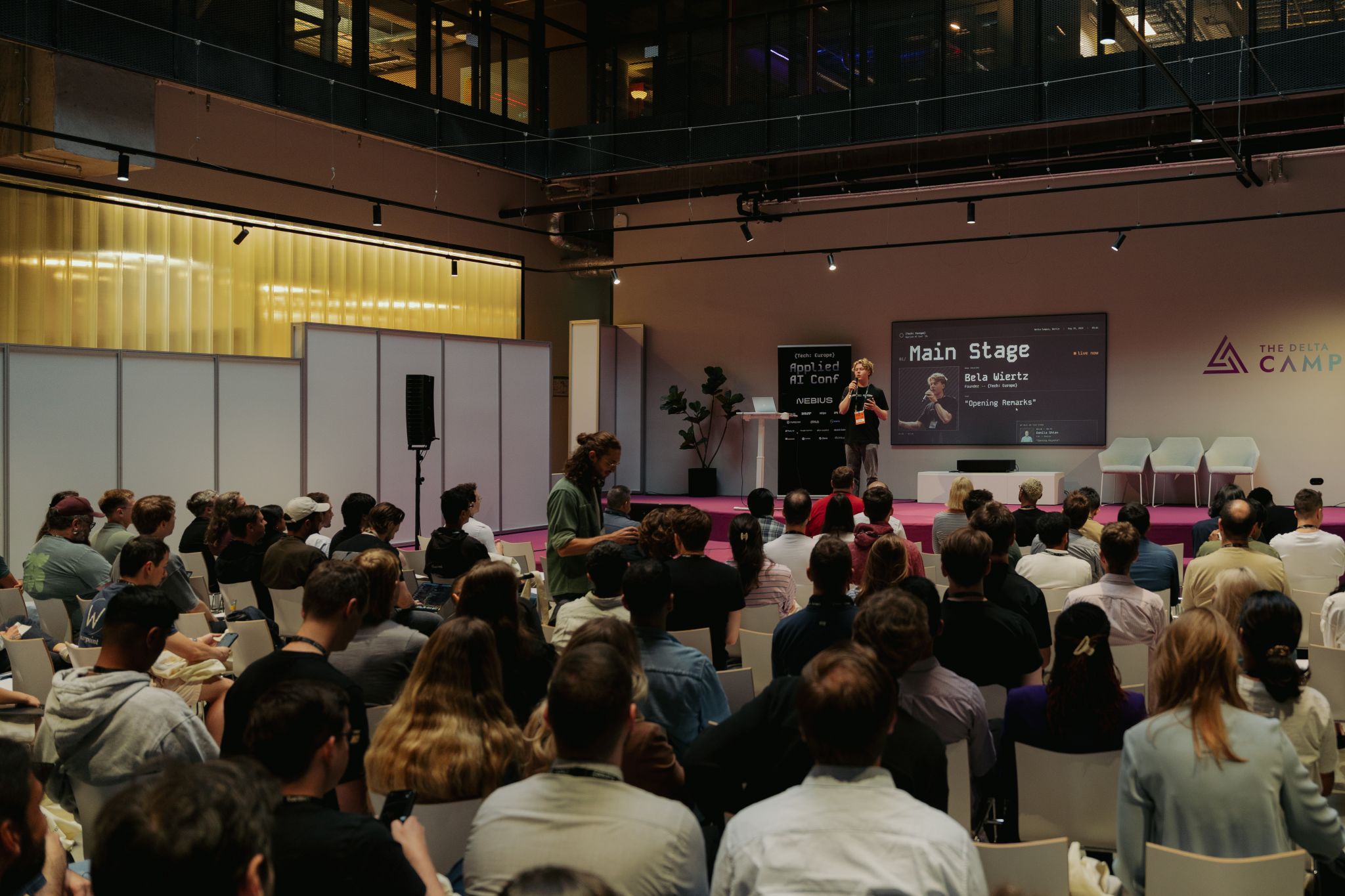
Walk into the right room in Berlin right now and you will notice something immediately. The conversations feel less polished and more real. The audience is more mixed. The ideas are less about trend spotting and more about building. More and more of those rooms are in Neukölln. Not because it is fashionable, and not because it is convenient, but because Neukölln has become one of the few places in Berlin where culture and innovation still move at the same pace.
Neukölln is not a district, it is an intersection
Neukölln’s creative pull is not built on one scene. It is built on overlap.
Studios, workshops, and off spaces sit alongside restaurants, community venues, and growing teams. Even city guides and official tourism sources describe an established art and creative scene between places like Sonnenallee and Hermannstraße, with cultural institutions and independent spaces that make the neighborhood feel active rather than curated.
That overlap matters because innovation rarely comes from people who all think the same way. It comes from the collision of different references, backgrounds, and creative languages.
Neukölln attracts that collision naturally.
Creative energy comes from diverse audiences, not perfect programming
A lot of event culture in Berlin used to revolve around a familiar formula. Industry panels, investor centered rooms, and venues that signaled credibility through corporate polish.
The audiences have changed. People want rooms that feel open, where a founder, a designer, a community builder, and a musician can all contribute without needing permission.
Neukölln consistently draws that kind of crowd. It is widely framed as a place that attracts international talent, entrepreneurs, and artists because it feels authentic and future oriented.
You see it in the way events behave here. Less performance. More participation.
Even one of Neukölln’s best known cultural formats reflects that mindset. 48 Stunden Neukölln runs as a decentralized festival concept that invites wide participation and turns the district itself into the stage.
That is what a creative hub really is. Not a single building, but a neighborhood that makes people want to contribute.
Why challengers, creators, and founders choose Neukölln
For builders, Neukölln offers three things that are hard to find elsewhere at the same time.
A permissionless feeling
You can test an idea without needing a perfect narrative. The neighborhood has a long relationship with experimentation, which makes unfinished work feel welcome.
A real mix of disciplines
Neukölln does not separate creativity from entrepreneurship. People who build products and people who build culture share the same streets, cafés, and calendars.
A pace that matches early stage reality
Early stage work is messy. The best events for early stage people tend to be smaller, closer, and shaped by community rhythm rather than event industry templates.
That is why the shift south feels natural. People are optimizing for useful connection, not formal networking.
The move away from traditional venues is also a move away from a mindset
Venue choice is never neutral. A corporate space changes how people behave. It can encourage pitch mode, status, and safe conversation.
Neukölln has become home to more spaces that explicitly position themselves as creative community event venues, built for workshops, meetups, and hands-on formats rather than polished stage programming.
This does not mean corporate venues disappear. It means the most interesting energy often prefers environments that feel human and flexible.
The kind of space where you can actually talk to people, and where the room does not demand a performance.
The Delta Campus as the heartbeat of Neukölln’s innovation scene
If Neukölln is an intersection, then The Delta Campus is one of the places where that intersection becomes momentum.
The Delta Campus Berlin is positioned as being in the heart of Neukölln and built around a community of founders and innovators, with workspace and gathering energy living side by side. In other words, it functions less like a venue you rent and more like a place where events grow out of daily proximity.
That matters because the most valuable events are rarely the ones with the biggest stages. They are the ones that feel connected to real work.
When the same people who attend an evening session are also building together during the week, conversations go deeper, faster. Trust forms. Collaboration becomes normal.
And that is the point. The Delta Campus is not trying to compete with Neukölln’s cultural movement. It is designed to support it, giving it structure when needed, and space when it matters most.
Why this shift is bigger than event geography
The rise of Neukölln as a creative hub is not only about where events happen. It is about what people want from events.
Founders want:
- rooms that reflect real Berlin
- audiences that are diverse by default
- spaces that support unfinished ideas
- conversations that lead to action
Neukölln offers that environment. The Delta Campus strengthens it by turning that environment into a consistent rhythm for founders, creators, and challengers.
If you want to experience this shift firsthand, take a look at what’s happening at The Delta Campus and join an event that resonates with where you are building.
Written by Nina Dangel
Head of Campus Operations