Bad office decisions rarely fail loudly. They do not announce themselves on day one. Work still happens. People still show up. From the outside, everything looks functional.
The cost shows up later, in slower days, quieter rooms, and teams that feel heavier than they should at this stage. Founders often misread these signals. They assume the problem is workload, motivation, or hiring. In reality, the environment is quietly working against them.
Office decisions sit closer to outcomes than many founders realise.
How poor layouts quietly reduce focus
Focus is fragile. It depends on rhythm, predictability, and a sense of control over attention. Poor layouts erode this without anyone explicitly noticing.
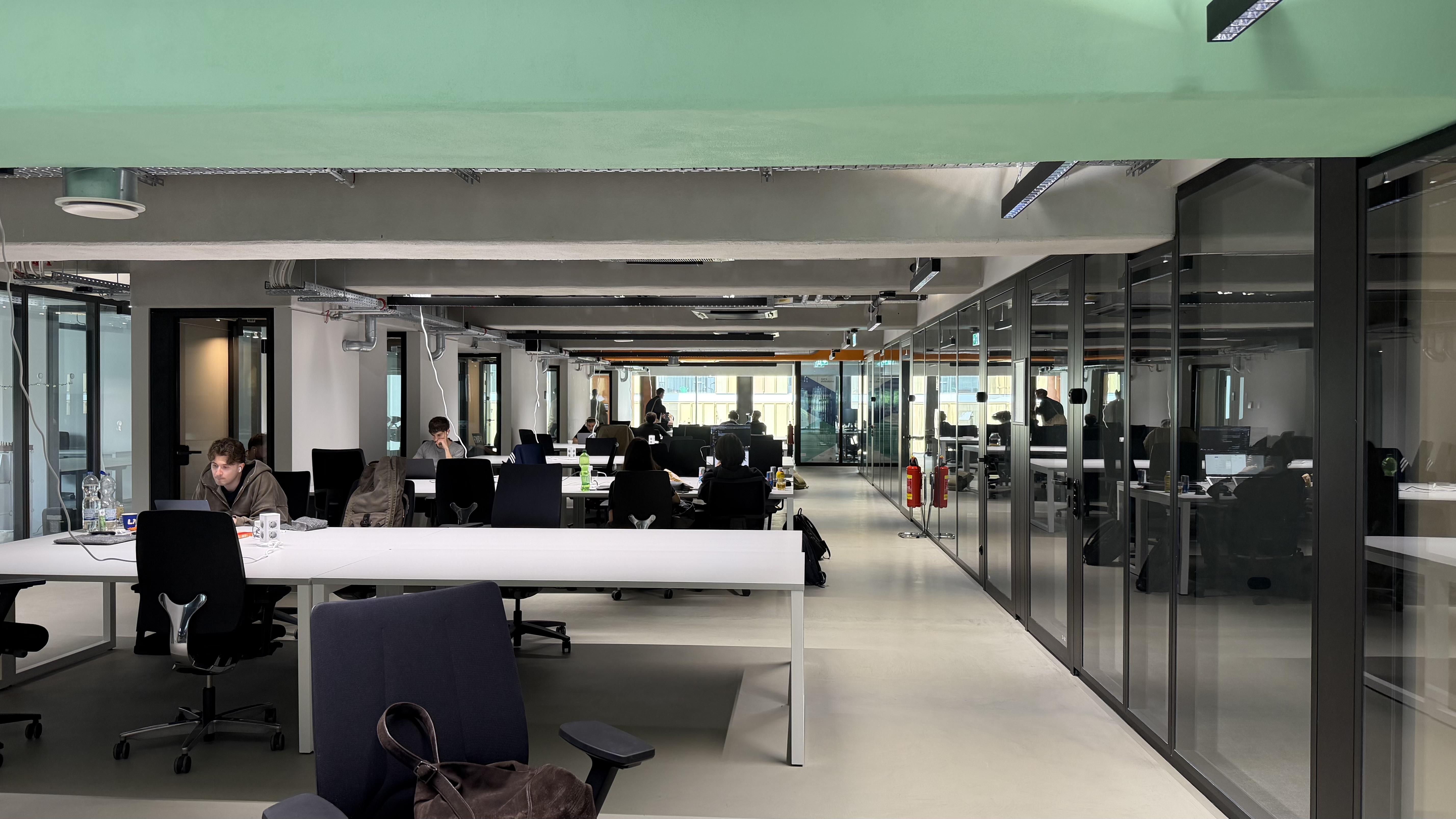
When desks are packed too tightly, interruptions increase. When meeting rooms are scarce, calls spill into open areas. When quiet work and collaborative work are forced into the same zones, neither happens well.
The result is not constant chaos. It is fragmentation. People get less done in the same amount of time. Tasks stretch. Context switching becomes the norm. Teams compensate by working longer hours, not better ones.
Over time, this turns into fatigue. Not dramatic burnout, but the steady drain that comes from never quite being able to focus properly.
Why low quality spaces accelerate dissatisfaction
Early stage teams are under pressure by default. Long hours, uncertainty, and rapid change come with the territory. Space can either absorb some of that pressure or amplify it.
Cramped environments increase tension. Poor light affects mood. Unreliable basics like the internet, temperature control, or acoustics create constant low level frustration. People stop mentioning these issues because they feel petty compared to company goals. They are not petty. They compound.
When employees feel their environment is an afterthought, it sends a message about priorities. Over time, this erodes trust. People disengage emotionally before they disengage professionally.
This is often when founders are surprised by turnover. They assume people are leaving for better pay or titles. In many cases, they are leaving because the day to day experience feels harder than it needs to be.
What research shows about space and psychological safety
Psychological safety is often discussed as a leadership issue. It is also an environmental one.
Research consistently shows that people speak up more, share concerns earlier, and collaborate better in environments that feel predictable and respectful. Noise levels, visibility, access to private space, and shared areas all influence this.
When teams lack places for sensitive conversations, feedback gets delayed or avoided. When space feels exposed, people self censor. When leaders are physically distant, hierarchy becomes reinforced through layout rather than intention.
These patterns reduce learning speed. Problems surface later. Small issues grow quietly. Momentum slows not because people care less, but because the environment makes openness harder.
How founders accidentally kill momentum
Most founders do not choose bad offices intentionally. They optimize for cost, speed, or availability. They assume they can fix issues later. Later is expensive.
Once a team adapts to a space, habits form. Workarounds become normal. People stop expecting better conditions. Energy shifts from building to coping.
Momentum depends on ease. When it becomes easier to avoid collaboration than to engage, speed drops. When it feels safer to stay quiet than to raise issues, mistakes multiply. When the environment adds friction, leadership has to compensate constantly.
This is exhausting. Founders feel like they are pushing harder for the same results, without understanding why.
At The Delta Campus, we see the difference when space removes friction instead of adding it. Teams move faster not because they work more, but because fewer things get in their way. Focus improves. Conversations happen earlier. People stay longer because the environment supports them.
Office decisions are not just about where work happens. They are about how work feels.
Choosing poorly rarely looks catastrophic. It looks tolerable. Until it is not.
If you are considering a move or questioning whether your current space is supporting your team, book a tour now or contact us for more information.
Written by Tsveta Stoeva
Head of Growth