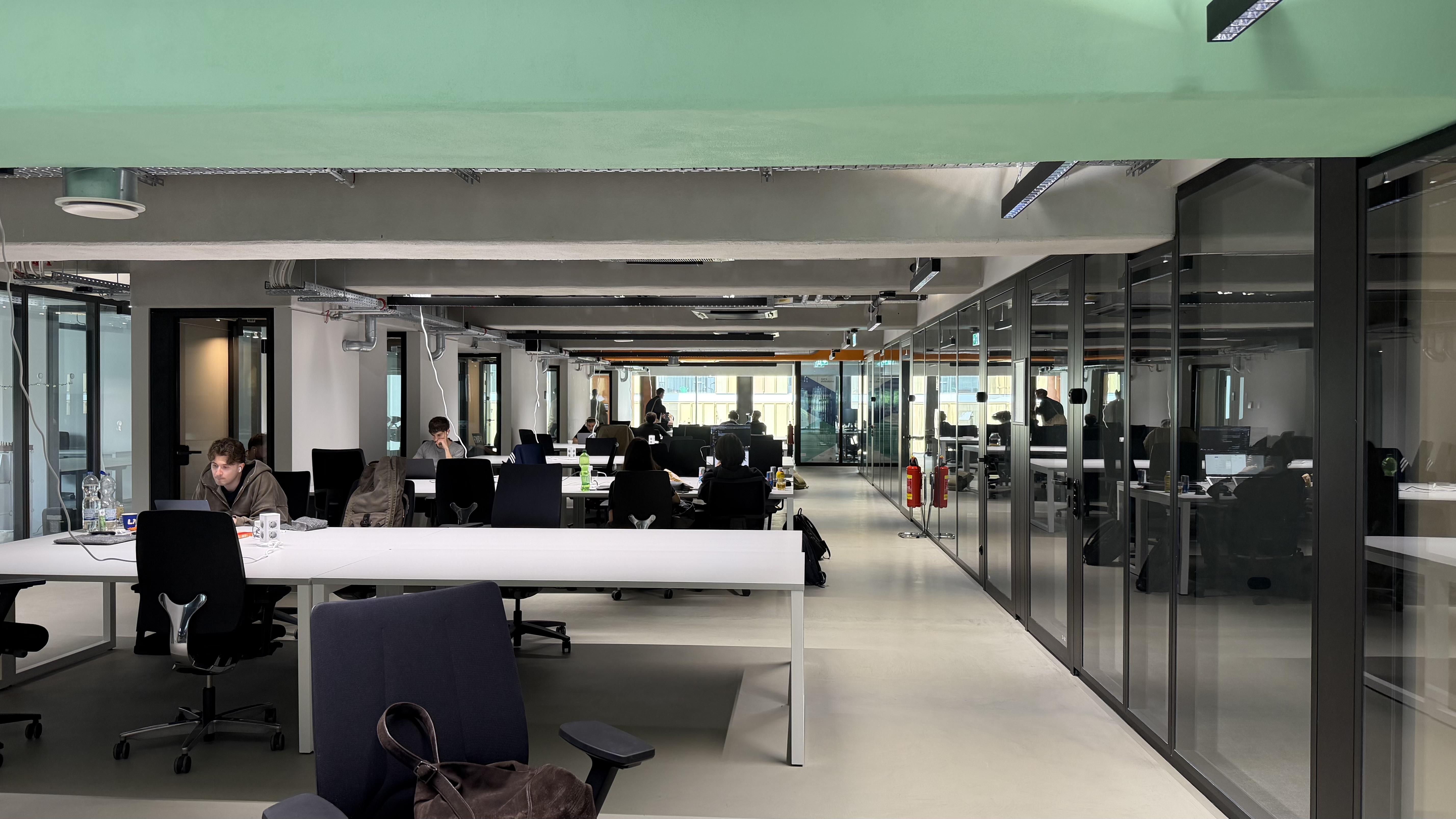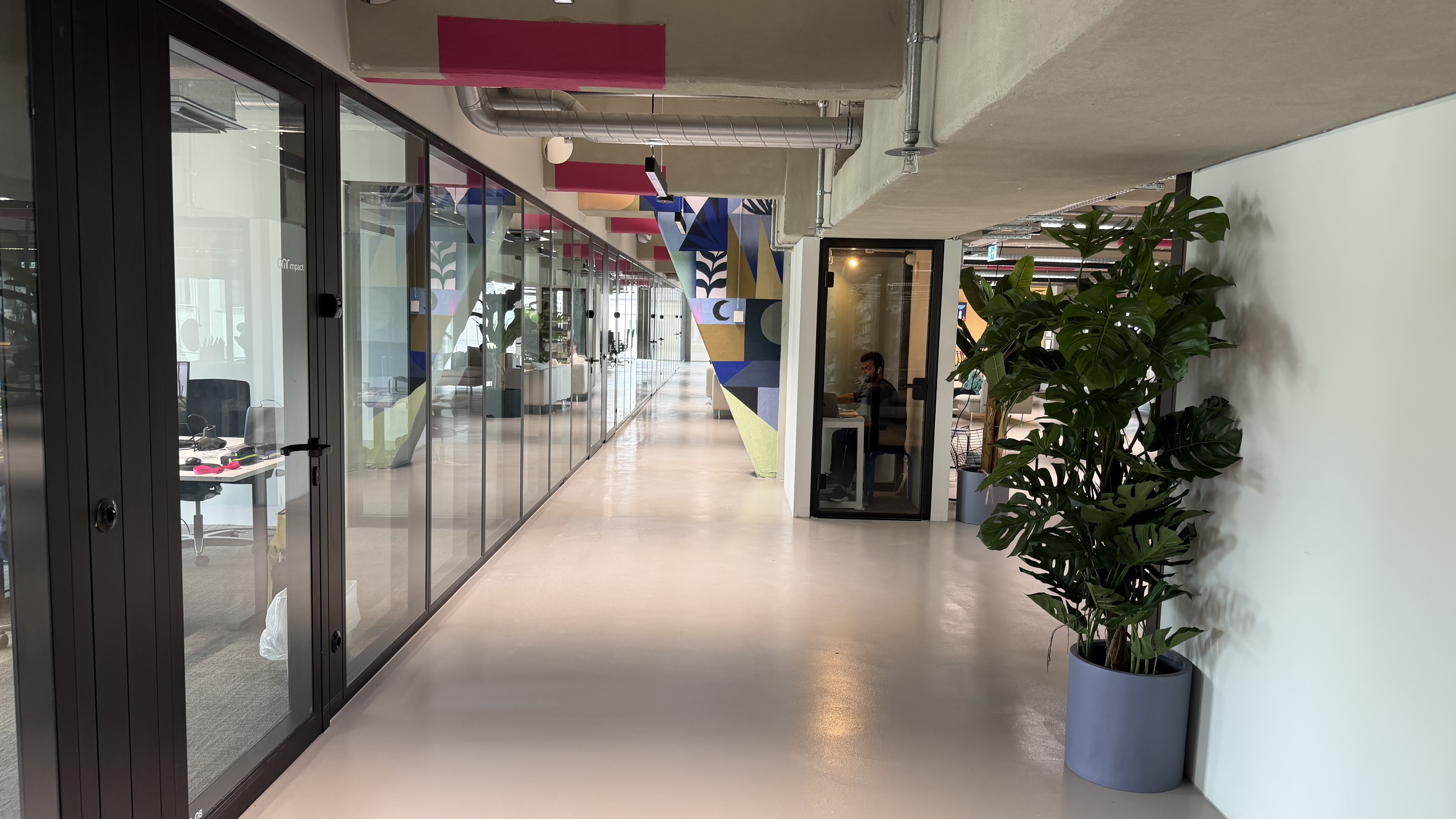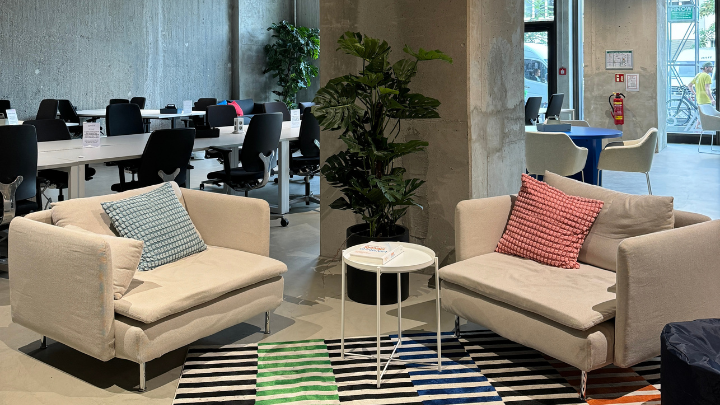
In 2026, amenities are no longer a branding exercise. The strongest teams are not asking for gimmicks. They are asking for conditions that make great work easier.
For years, the office conversation was dominated by signals. Free snacks. Design statements. Perks that looked good in photos. But the teams performing at a high level have become more specific. They want spaces that support focus, collaboration, recovery, and the simple dignity of spending long days building something hard.
Amenities matter, but not because they impress people. They matter because they shape energy, behaviour, and decision making.
The difference between an office that looks good and an office that works well is often found in the details.
Natural light, acoustics, and comfort are productivity tools
The most important amenities in 2026 are still the least glamorous.
Natural light is not a luxury. It affects mood, alertness, and stamina across the day. Teams spend long hours solving difficult problems. When the environment feels dull or draining, work becomes heavier.
Acoustics matter in the same way. Teams can tolerate noise for a few days. Over time, constant sound becomes exhaustion. Calls in open areas. Conversations leaking into focus zones. Meeting rooms that do not insulate. These issues create fatigue that is easy to ignore and hard to recover from.
Comfort is also about temperature, ventilation, seating, and layout. Not because people are fragile, but because discomfort makes every task feel harder. High performing teams protect attention. Spaces that support comfort protect it too.
Breakout spaces that enable collaboration without interruption
Collaboration does not happen well in a single mode.
Teams need places where they can talk without disturbing others, and places where they can gather without the formality of a booked room. Breakout spaces matter because they allow work to move fluidly between deep focus and quick alignment.
The best breakout spaces in 2026 are not oversized lounges. They are practical, human, and built for real interaction. A table where two people can think. A corner where a team can sketch. A small area where an unexpected conversation can happen without becoming a disruption.
These spaces support unplanned problem solving. They reduce coordination overhead. They encourage a culture of asking questions early, which is one of the best predictors of speed in early stage teams.
On site cafés, wellness spaces, and quiet zones
As hybrid work stabilises, the office is increasingly a place teams choose to come to for specific reasons. One of the biggest reasons is energy.
A good café changes how a day feels. It creates a natural gathering point. It makes breaks social without forcing them. It offers rhythm, especially in teams that need informal moments to stay connected.
Wellness spaces matter for similar reasons. They signal that the work is intense and the environment respects recovery. This can be as simple as a calm room, a stretching area, or a space to step away when someone needs a pause. These are not extras. They help prevent burnout from becoming the default.
Quiet zones also matter more in 2026. As offices become more collaborative, teams still need places where deep work is protected. A workspace without quiet areas creates a false trade off. Either people come in and lose focus, or they stay home and lose connection.
High performing teams want both. Quiet and collaboration. Intensity and recovery.
Showers, bike storage, mothers rooms, and the basics that shape belonging
Some amenities are not about productivity in the obvious way. They are about who the space includes.
Showers and bike storage shape how people commute. They make it easier to choose a healthier routine. They reduce friction for employees who do not drive. They also make the office more accessible for people who want to fit movement into the day.
Mothers' rooms are another example. They are not used by everyone, but they communicate something important. They signal that the workspace expects different life realities and makes room for them. When these spaces are missing, people quietly feel like they have to adapt themselves to the workplace rather than the workplace adapting to real life.
Access, safety, and privacy also matter. Lockers. Secure entry. Reliable storage. These are often overlooked, yet they shape whether people feel settled and respected.
In 2026, teams are more sensitive to the difference between an office that is designed for an abstract worker and an office designed for actual humans.
The shift toward hospitality inspired workspaces
The biggest change in 2026 is not a single amenity. It is a mindset.
Workspaces are increasingly influenced by hospitality, not corporate tradition. This does not mean luxury. It means care. It means thinking about how someone experiences a day, not just how they occupy a desk.
Hospitality inspired spaces are built around flow, comfort, and emotional tone. They anticipate needs. They reduce friction. They create a sense of welcome and calm without trying too hard.
This approach has strategic value. When a space feels easy to be in, people come more willingly. When people come willingly, collaboration happens naturally. When collaboration happens naturally, teams move faster.
Amenities are part of this, but they are not the point. The point is that the environment supports the work and the people doing it.
At The Delta Campus, we see this shift clearly. High performing teams are not looking for office theatre. They are looking for spaces where energy is protected, conversations happen easily, and the experience of being together feels worth it.
In 2026, the best amenities are the ones that make work lighter, clearer, and more human.
If you are reassessing what your team needs from a workspace this year, Book a Tour now or Contact Us for more information.
Written by Tsveta Stoeva
Head of Growth