Most office upgrades do not start with a desire for something better. They start with small workarounds.
People take calls in hallways. Meetings get pushed to cafés. New hires arrive and there is no clear place for them to sit. Everyone adapts because startups are good at adapting.
The problem is that workarounds become a hidden operating system. They drain time and attention. They create friction that feels normal until you realise how much energy it is costing the team.
An office does not need to be perfect. But it should support the pace you are trying to keep.
Outgrowing a space is not only about size. It is about whether the environment still enables the way the company needs to work. Here are some of the clearest signals that it might be time to upgrade.
Team expansion starts to feel like crowding, not growth
Growth is usually a good problem. But when space cannot absorb it, it turns into stress.
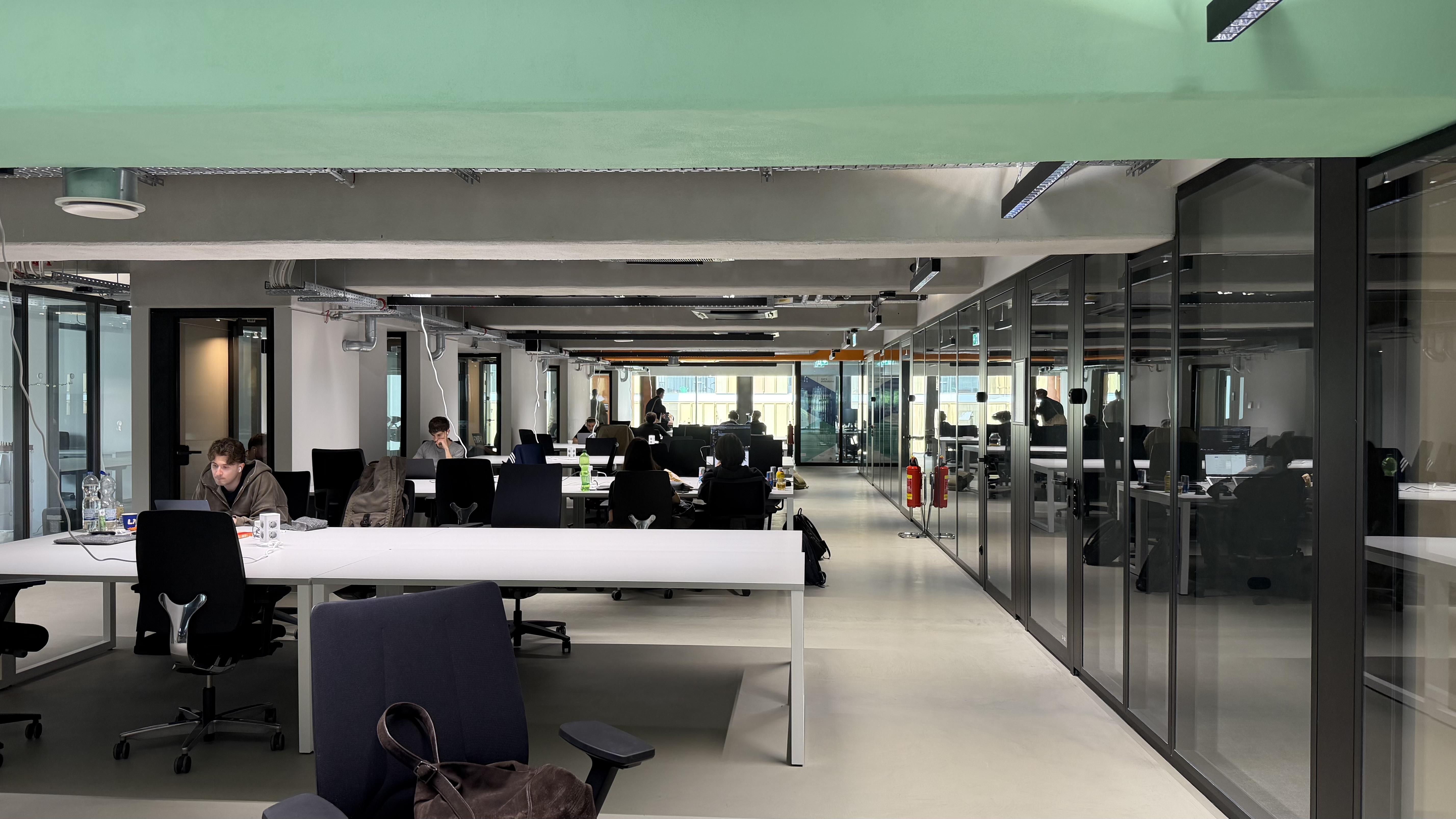
If the office feels cramped, people stop moving naturally. Conversations get louder because there is nowhere else to go. Desks get squeezed into corners. Shared areas disappear. The day feels tighter than it should.
This is often the first signal founders notice. But it is rarely the most important one.
The deeper issue is that crowding changes behaviour. People avoid collaboration because it is disruptive. They hesitate to invite others into discussions. The space begins to discourage openness.
A growing team needs room not just to sit, but to think, talk, and reset.
Collaboration bottlenecks become normal
Startups move through conversation. Decisions get made quickly when the right people can align fast.
When the space is too small or poorly configured, collaboration starts to slow. Teams book rooms days in advance. Informal alignment disappears because there is nowhere to gather. People default to async messages even when they are physically present.
This creates a quiet slowdown. Not dramatic. Just enough friction that decisions take longer than they used to.
Founders often respond by adding process. More meetings. More check ins. More documentation. Sometimes that helps. But often, the real problem is that the space is no longer supporting the way the team needs to work.
When collaboration requires effort, speed drops.
Meeting space shortages create constant disruption
Meeting rooms are one of the most underestimated variables in office planning.
A team can tolerate a shortage for a while. Then it becomes a daily tax. Calls spill into open areas. Sensitive conversations get delayed. People take meetings from wherever they can find quiet.
Over time, this affects focus and trust. It becomes harder to give feedback. Harder to do hiring interviews well. Harder to run customer conversations that require attention and professionalism.
Meeting room shortages also reveal that the company is shifting. More clients. More hiring. More cross functional work. The office that worked when you were smaller is no longer aligned with what the company does now.
Brand perception starts to matter more in real moments
At a certain stage, the office becomes part of your outward story.
This is not about looking impressive. It is about being credible.
Investor meetings, client visits, and partner conversations are influenced by environment. People notice whether a team seems organised, calm, and capable. They notice whether meetings run smoothly. They notice whether the space supports focus or feels chaotic.
For early stage teams, credibility is fragile. A cramped or unreliable space can unintentionally signal instability, even if the fundamentals are strong.
When you start hosting more important conversations in person, the environment becomes part of the impression.
Employee experience becomes a competitive advantage
In 2026, talent has options. Great candidates are not only evaluating mission or compensation. They are evaluating whether the day to day experience will support their best work.
If the office feels uncomfortable, noisy, or limited, people notice. Not because they are demanding, but because they have learned what environments help them thrive.
When space starts to feel like friction, retention becomes harder. New hires take longer to integrate. Teams lose energy. People quietly disengage.
A workspace that supports focus, collaboration, and recovery becomes a recruiting advantage. It makes it easier to say yes, and easier to stay.
The bridge from early stage to scale up
Outgrowing an office is often a sign that the company is moving into a new phase.
Early stage teams can survive with improvisation. Scale ups need reliability. The systems that were flexible at ten people become fragile at thirty. The space that felt energising at the beginning can start to feel like a constraint.
An upgrade is not just a space decision. It is an operational decision. It protects momentum and signals maturity to both the team and the outside world.
At The Delta Campus, we see this transition clearly. Teams that upgrade at the right moment move faster afterwards. They spend less time working around the environment and more time building. They hire more confidently. They host meetings with ease. They create a culture that feels intentional rather than accidental.
The key is not waiting until the space becomes unbearable. The key is noticing when workarounds are becoming the norm.
If you are starting to recognise these signals and want to explore what an upgrade could look like for your team, book a tour now or contact us for more information.
Written by Tsveta Stoeva
Head of Growth