For a long time, early stage founders treated offices as secondary. Talent would join for the mission, the equity, the learning curve. Space was just a container. Somewhere to work.
In 2026, that assumption is harder to rely on.
Not because people have become more demanding, but because expectations have changed. Work is no longer tied to a single location. If someone is choosing to commute, show up, and spend time in a shared space, they are evaluating what that space says about the company.
This is why the office is now part of your employer brand, especially when you are early.
Employer brand is not your careers page. It is the story people tell themselves about what it would feel like to work with you. Space is one of the most immediate ways that story gets communicated.
Top talent expectations have shifted
Strong candidates are not only looking at salary, title, or even mission. They are looking at the environment.
They want to know whether they can do their best work. Whether collaboration will be easy. Whether focus will be protected. Whether the day to day experience will feel energising or draining.
In early stage startups, this matters even more because the work is intense. People are opting into uncertainty. They will tolerate long hours, but they do not want unnecessary friction layered on top.
A workspace that supports attention, comfort, and healthy rhythm signals seriousness. It tells candidates the company is thoughtful about how it operates.
When space is neglected, candidates notice. Even if they do not say it directly.
Why candidates judge companies by the physical environment
First impressions are not abstract.
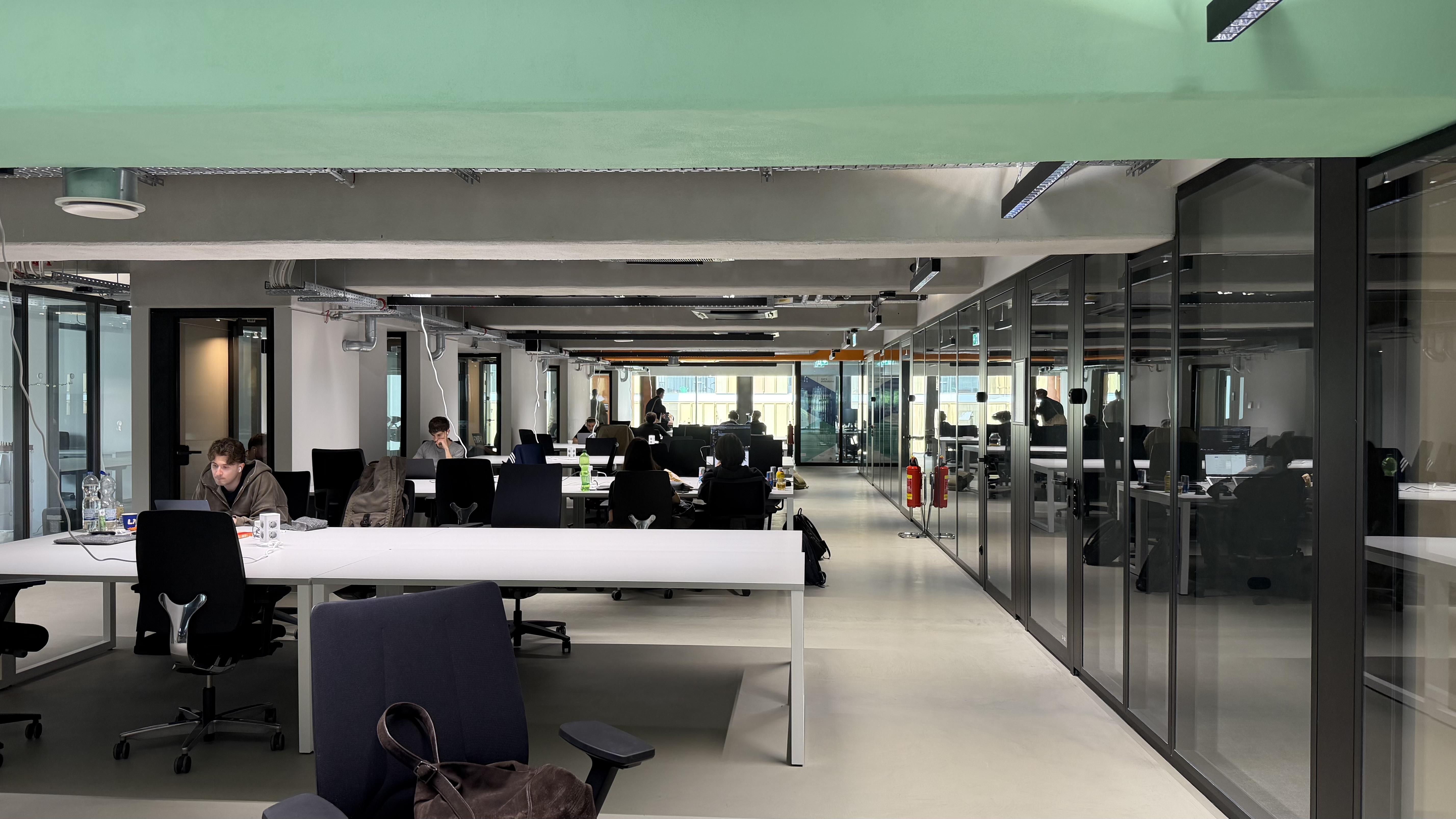
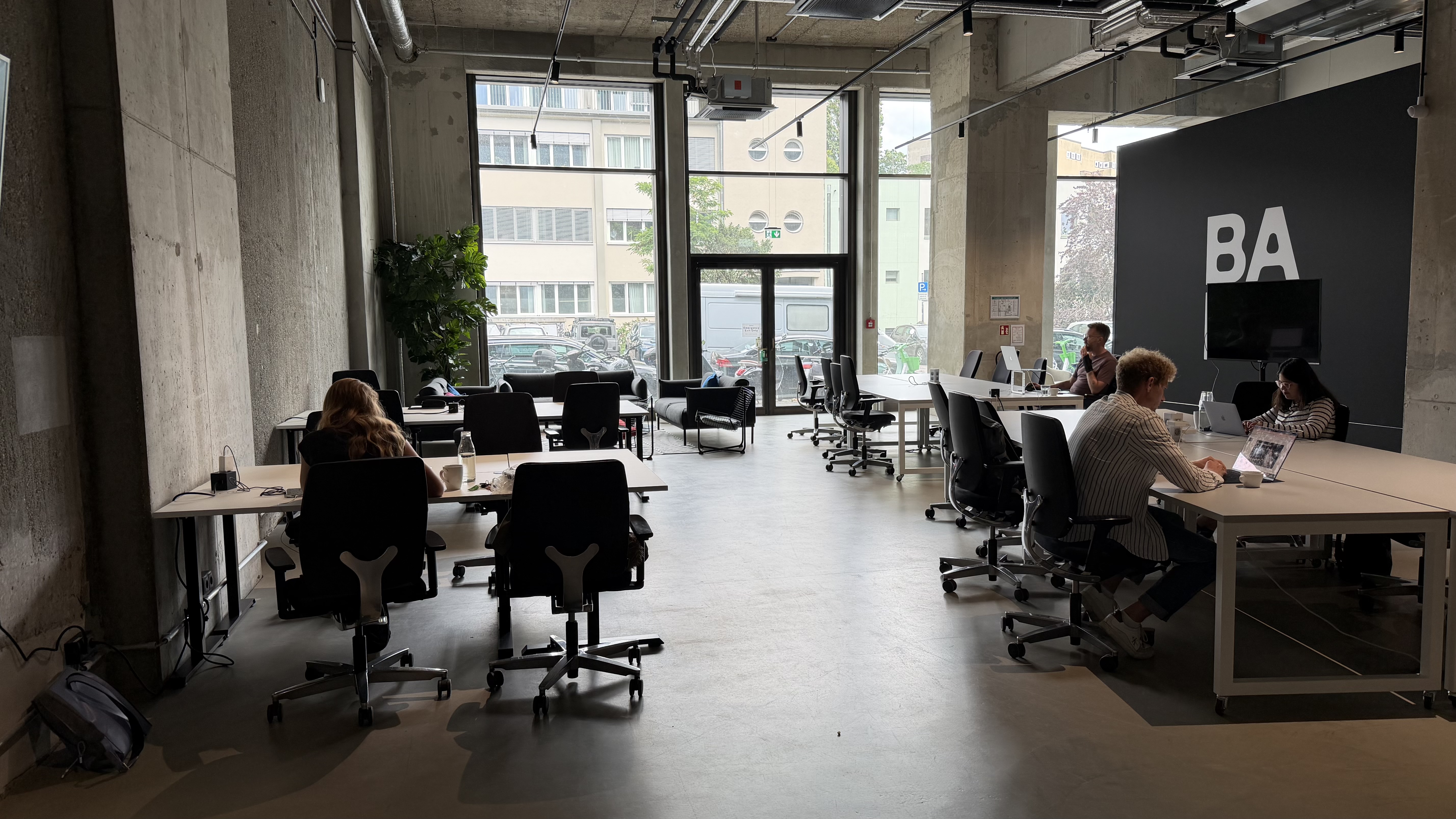
When a candidate walks into an office, they are reading dozens of signals. Noise levels. Light. Layout. How people interact. How meetings run. Whether the space feels calm or chaotic.
They are not judging decor. They are judging how it would feel to build there.
Candidates use the physical environment to predict what is usually hardest to see in an interview. How decisions get made. How organised the team is. Whether leadership cares about the fundamentals. Whether the company is built for focus or for constant interruption.
In early stage startups, there is less brand awareness to rely on. The office becomes a proxy for maturity.
A good space does not guarantee good culture, but it makes it easier to believe the company is intentional.
Offices as storytelling tools
Every company tells a story, even if it does not mean to.
The office is part of that story. It communicates identity without needing words.
Is this a team that values craft? Is it a team that moves fast? Is it a team that collaborates openly? Is it a team that is calm under pressure?
Space can reinforce these signals or contradict them.
When the office supports how the company wants to work, it becomes a living narrative. People experience the culture rather than hear about it.
This matters in recruiting because the best people do not want promises. They want proof.
For early stage founders, this is an opportunity. You can design an experience that reflects the future you are building. Not through expensive design statements, but through intentional choices that support real work.
How premium spaces level up perceived maturity
Premium does not have to mean luxury. It means reliable, well run, and thoughtfully designed.
Early stage companies often struggle with credibility. They might have a strong product and strong people, but candidates and partners still ask the same question. Is this real? Will this last? Is this team serious?
A premium space helps answer those questions.
When the environment feels stable, it signals operational competence. When it supports focus and collaboration, it signals that the company understands how work actually happens. When it feels welcoming, it signals respect for the people doing the work.
This is why space can level up perceived maturity faster than founders expect.
It does not replace the fundamentals, but it supports them. It makes it easier for candidates to say yes. It makes retention easier because daily work feels smoother and more human.
At The Delta Campus, we see this with early stage teams every day. Founders who invest in environments that support their people tend to recruit faster and hold talent longer. The space becomes part of the company story. It communicates intention, care, and ambition without needing to sell it.
In 2026, the employer brand is not just what you say. It is what people experience.
And your office is one of the clearest experiences you offer.
If you are thinking about how your workspace supports hiring and retention, Book a Tour now or Contact Us for more information.
Written by Tsveta Stoeva
Head of Growth