The Delta BlogSeite 5
Insights, stories, and updates from Europe's leading startup ecosystem
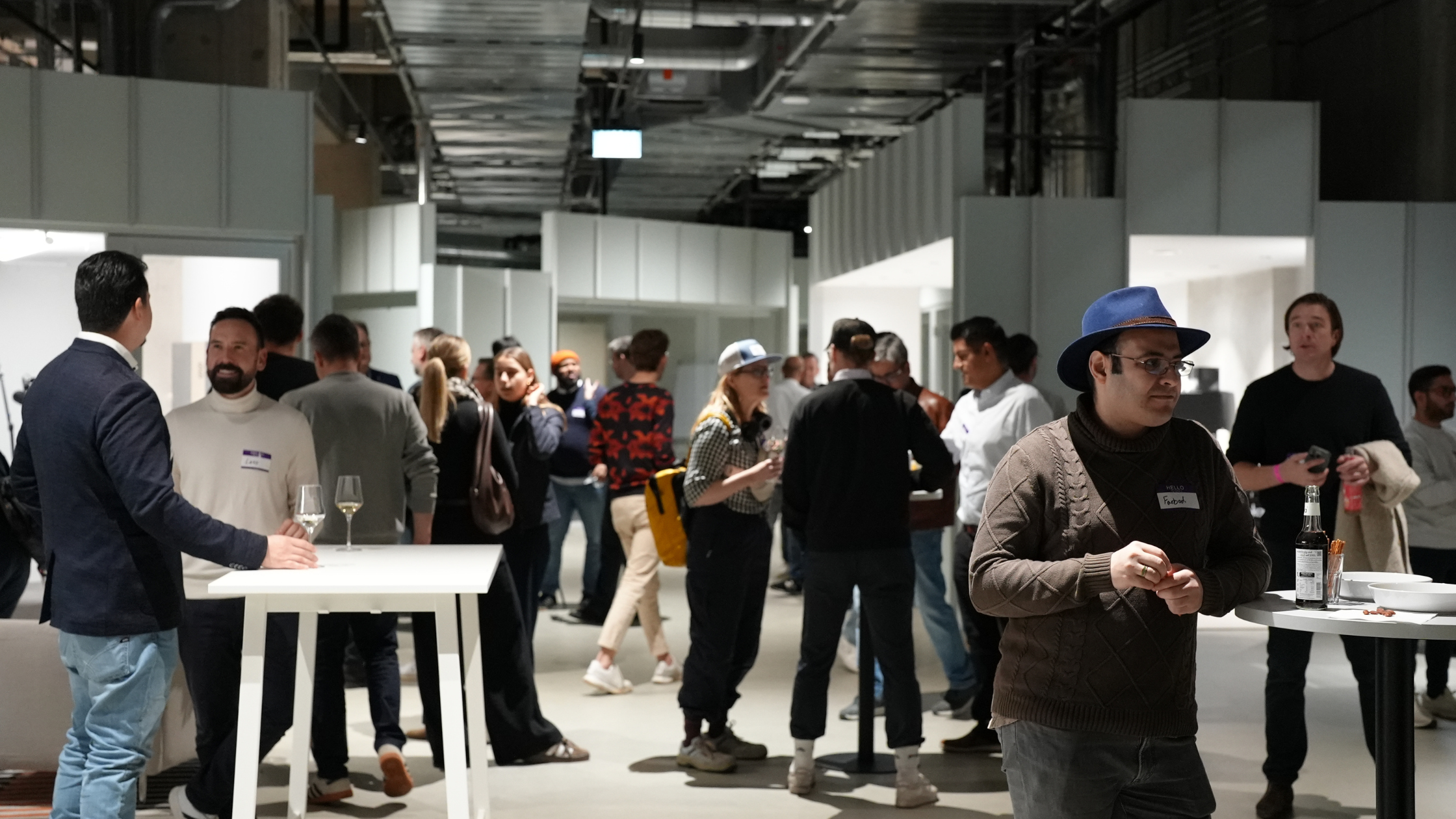
The Future of Startup Events: Creating Experiences, Not Just Agendas
Startup events are no longer about packed agendas and scheduled networking. Founders are looking for experiences that create real connection and momentum. This piece explores how experience design, environment, and community are reshaping what meaningful events look like.
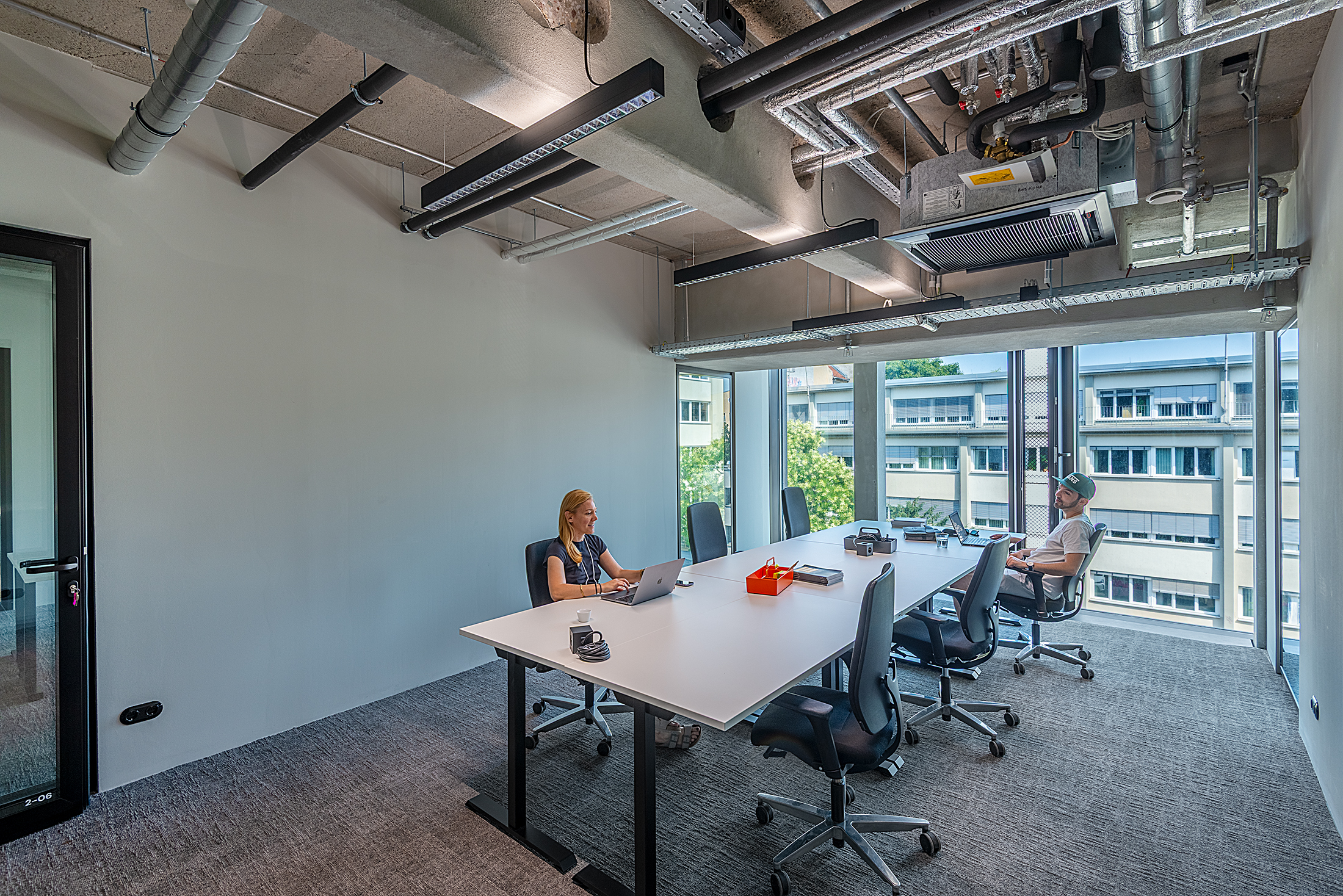
The 5 Things Most Founders Forget When Moving Into Their First Office (And Why They Matter)
Your first office might look complete, but that does not mean it works. From acoustics to layout to infrastructure, small oversights quickly compound once teams start working together. This piece breaks down the patterns that quietly create friction and how to design a space that actually supports how teams operate.
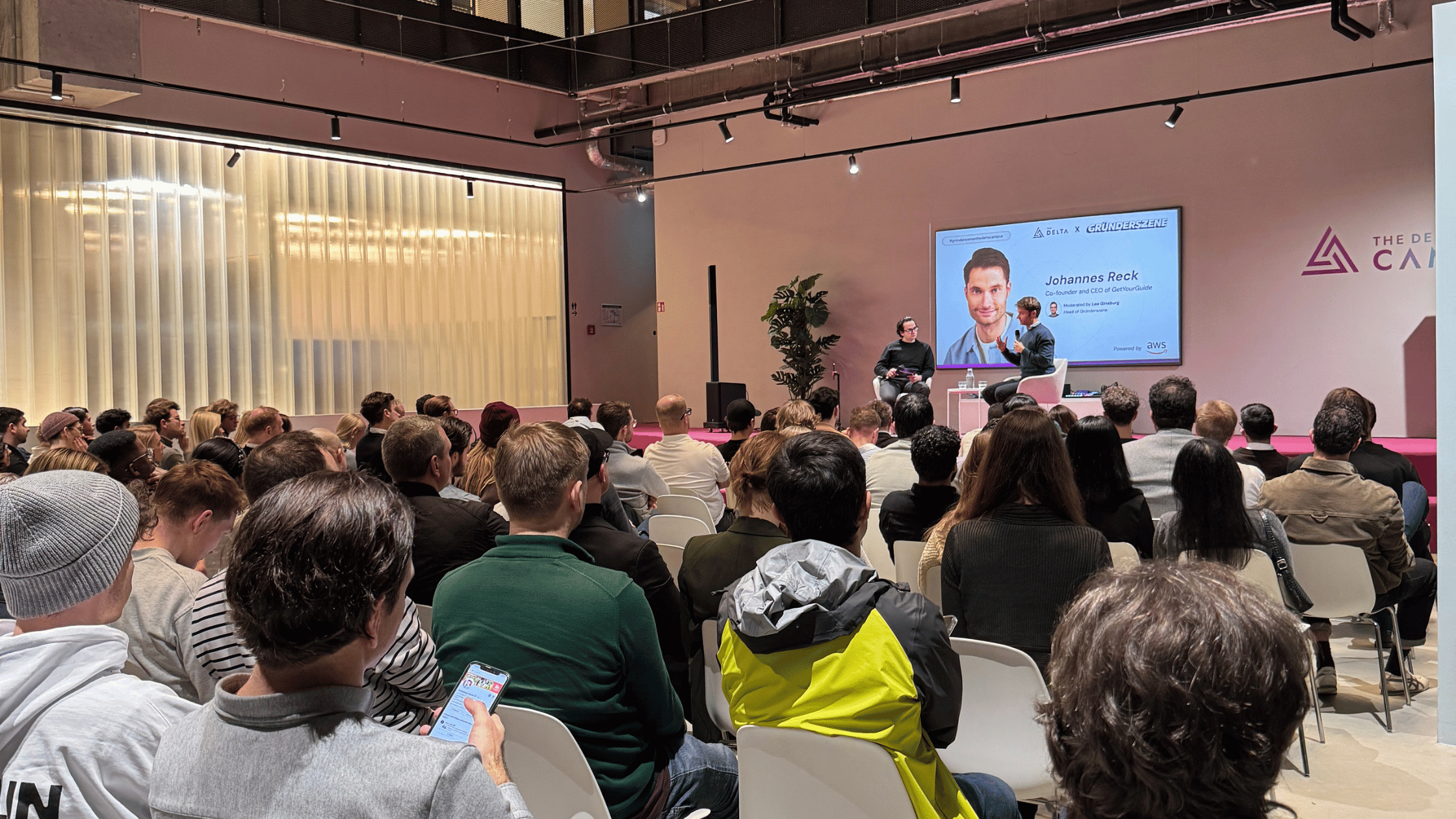
What Crisis Reveals: How Johannes Reck Led GetYourGuide Through the Pandemic
When the pandemic brought global travel to a complete stop, GetYourGuide CEO Johannes Reck faced the ultimate leadership test. At Gründerszene × The Delta, he shared how radical transparency, scenario planning, and a united team helped the company survive a crisis that took its revenue from €200 million to zero in just four weeks.

Unit Economics 101: The Financial Logic Investors Expect You to Understand Before Fundraising
Most founders delay unit economics. Not because they do not matter, but because they feel uncertain. But investors are not looking for perfect numbers. They are looking for clear thinking. This piece breaks down how unit economics reveal whether your business actually works and what founders need to understand earlier than they think.

Custom Development Isn’t Dead: Why Startups Still Need Real Engineers in an AI-First World
There is a growing belief that AI will make custom software development obsolete, but in reality, it is making strong engineering more critical than ever. While AI accelerates how code is generated, it cannot replace the judgment, architectural thinking, and long term responsibility required to build reliable systems. The real advantage lies in a hybrid approach where AI handles speed and repetition, and engineers focus on structure, scalability, and decision making. At The Delta, this balance is key to building products that are not just fast to launch, but designed to last.
The Case for Agent F: Challenging a €223 Billion Monopoly to Engineer the AI-Native Enterprise
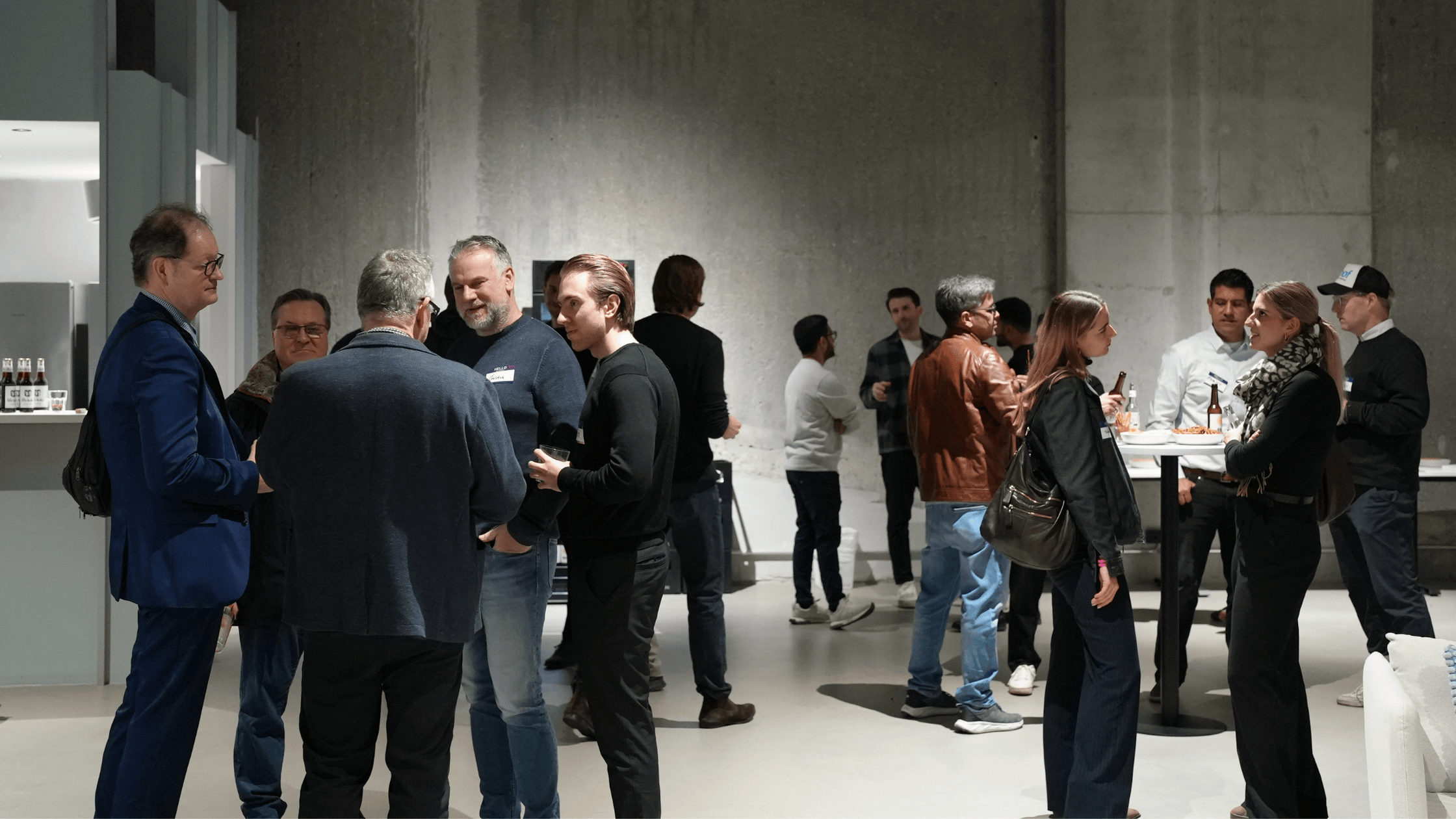
Inside Berlin’s Most Curated Event Spaces: What Today’s Audiences Actually Want
Event spaces in Berlin are no longer defined by size or prestige, but by how they make people feel. As audiences become more discerning, planners are shifting toward spaces that prioritize warmth, intention, and human connection over scale and polish, choosing environments that encourage interaction rather than passive attendance. The most effective venues today are thoughtfully curated to support real engagement, and The Delta Campus reflects this shift by offering a space designed for collaboration, comfort, and meaningful connections.
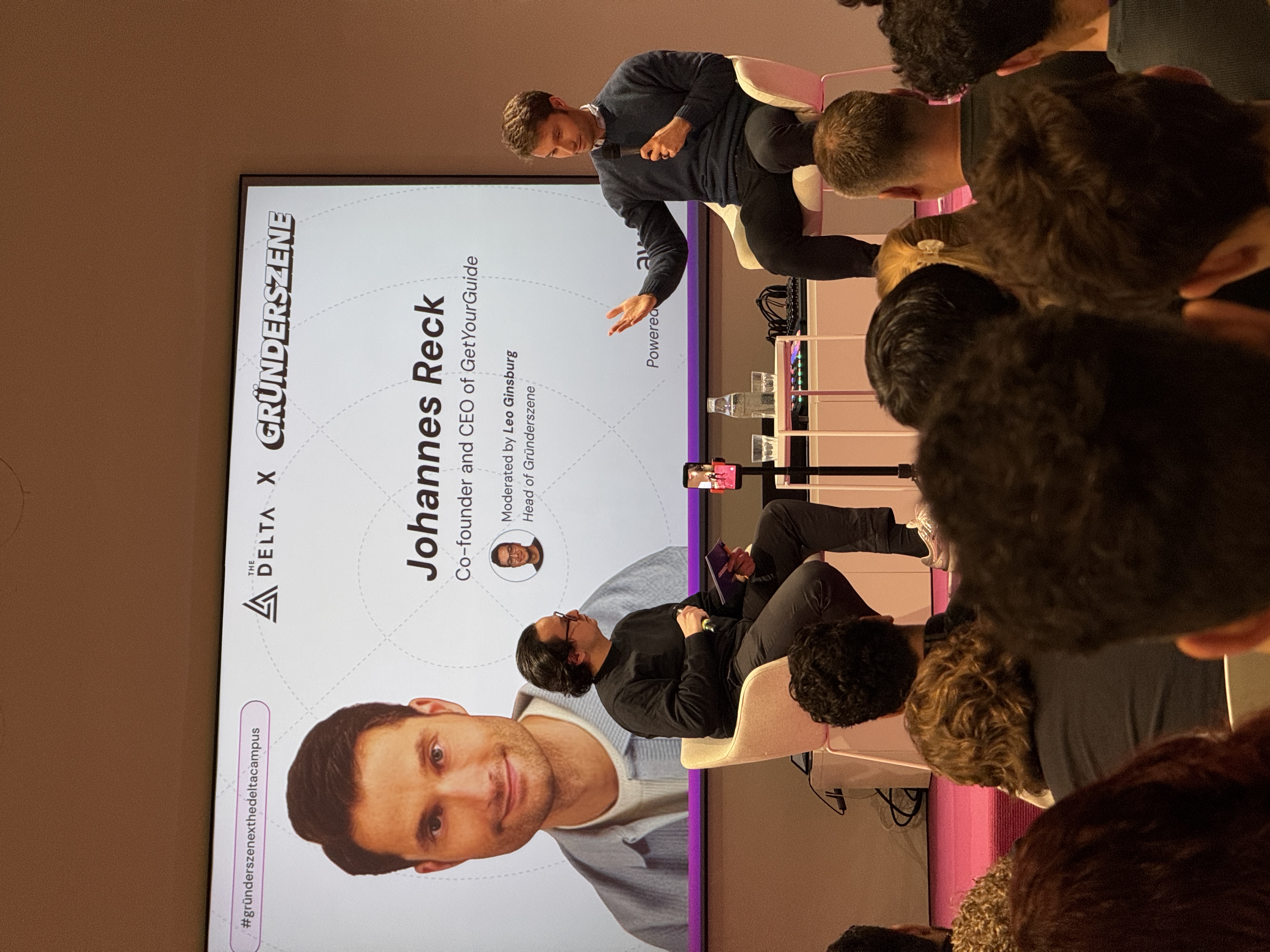
From Five Bookings to a Billion Euro Business: The GetYourGuide Story
From five bookings in two years to 33 million experiences annually, GetYourGuide CEO Johannes Reck shared the unfiltered founder journey behind one of Europe’s biggest travel tech companies at Gründerszene × The Delta. In this conversation, he reflects on early failures, the pivot that changed everything, and why optimism, flexibility, and long term conviction are essential to building a generational company.
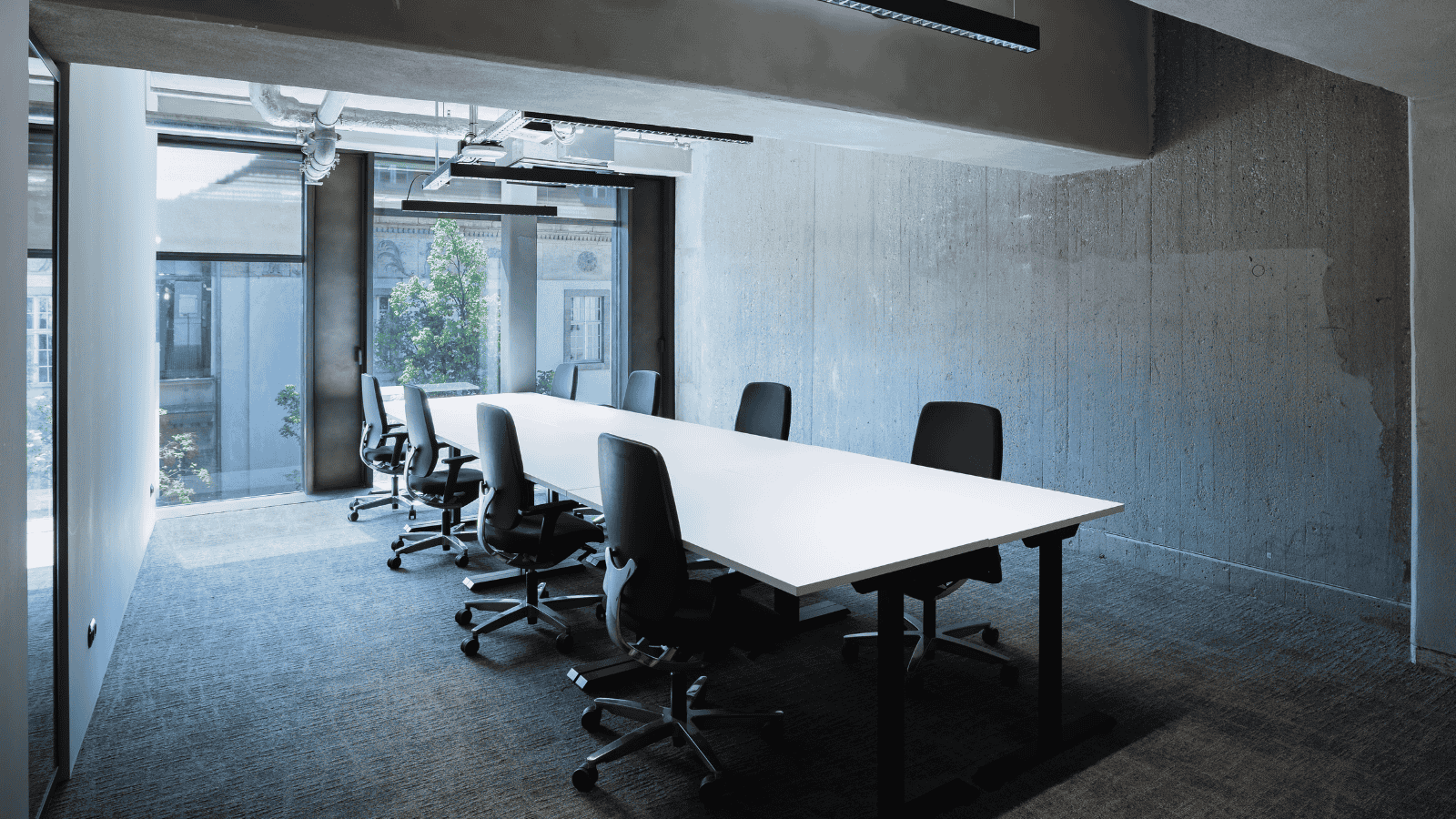
Your First Office: What Every Early-Stage Founder Should Consider Before Signing a Lease
Your first office is not just a place to work. It is an early operating decision that leaves a long shadow. Move too early and you create pressure to perform growth. Move too late and you quietly lose momentum. The real question is simple. Would being together make your work better right now. Here is what founders should consider before committing.