The Delta BlogSeite 4
Insights, stories, and updates from Europe's leading startup ecosystem

How to Build a Business Model That Doesn’t Collapse Under Growth
It usually doesn’t break at the start. It breaks when things begin to work. As demand grows, many products start to strain, not because the team cannot execute, but because the business model was never designed to handle scale. The founders who navigate this well are not just focused on growth, they design systems that get stronger as they grow, not more chaotic.

Why Most AI-Assisted MVPs Fail And How to Build One That Actually Scales
It has never been easier to build something that looks like a product. With AI, founders can spin up features, generate code, and launch demos in days. It feels like real momentum. But many of these MVPs start to break the moment real users arrive. The problem is not the tools, it is the lack of clarity behind them. The founders who get it right are not just moving fast, they are building with focus and laying foundations that can actually hold up.
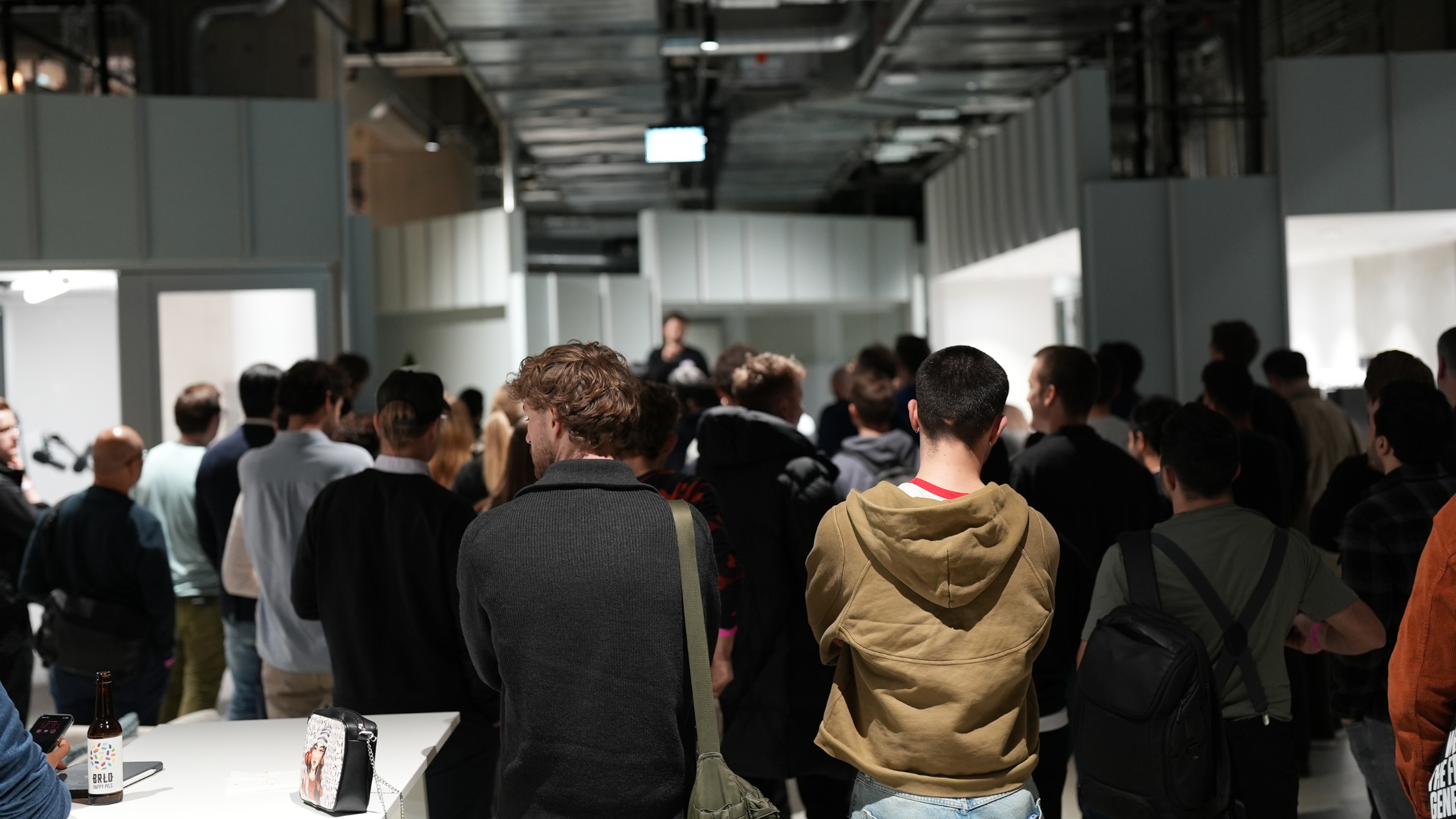
Berlin’s Best-kept Secret for Events: Why Founders, Creatives, and Corporates Choose The Delta Campus
Berlin has no shortage of event venues, but the best events are not defined by space alone. They are defined by energy, people, and connection. This piece explores why The Delta Campus has become a go to for events that feel more human, more engaging, and more impactful.
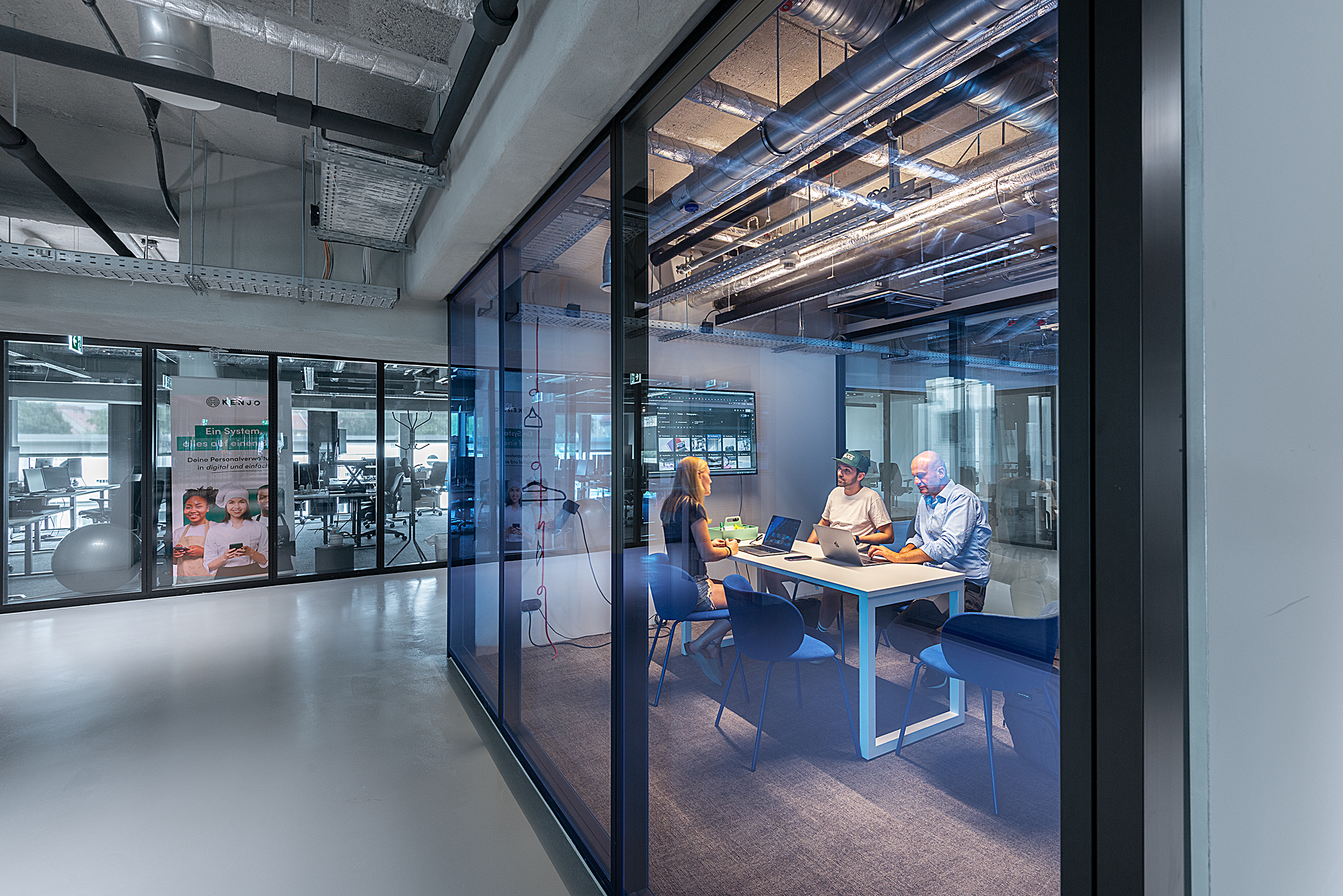
How to Choose an Office That Reflects the Culture You Want to Build, Not Just the One You Have Today
Most founders choose their first office based on who they are today. The problem is, companies evolve faster than spaces do. This piece explores how offices shape behaviour, culture, and team dynamics, and why designing for who you are becoming matters more than fitting the present.
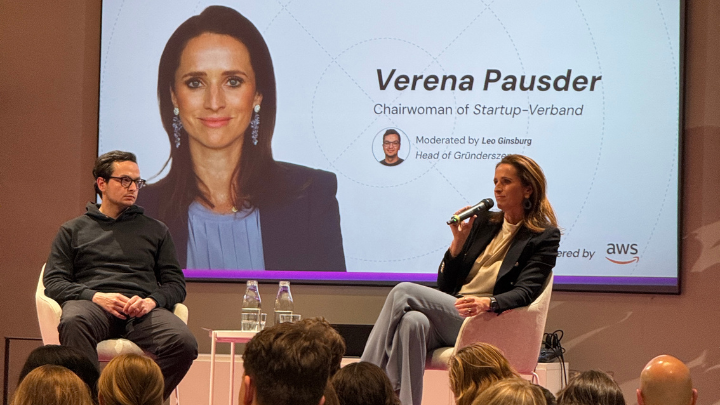
From Sushi Bars to 40 Million Downloads: The Verena Pausder Story
At the latest edition of Gründerszene × The Delta, Verena Pausder shared the full story behind Fox and Sheep from a sushi restaurant in Bielefeld nobody asked for, to a pivot that could have gone wrong, to 40 million paid downloads and an exit that opened the next chapter. It is a founder journey built not on a perfect idea, but on the willingness to keep going when the original plan stopped making sense.

Validation Plans That Actually Work: How Founders Can Test Their Ideas Before Spending Money on Development
Validation often gets treated as a quick checkbox before building begins. A few conversations, some positive feedback, and it feels like enough to move forward. But real validation is not about hearing that an idea sounds good. It is about understanding whether the problem is real, whether people are willing to act on it, and whether it is strong enough to support a business. The founders who get this right are not looking for reassurance, they are looking for truth, even when it challenges what they want to build.
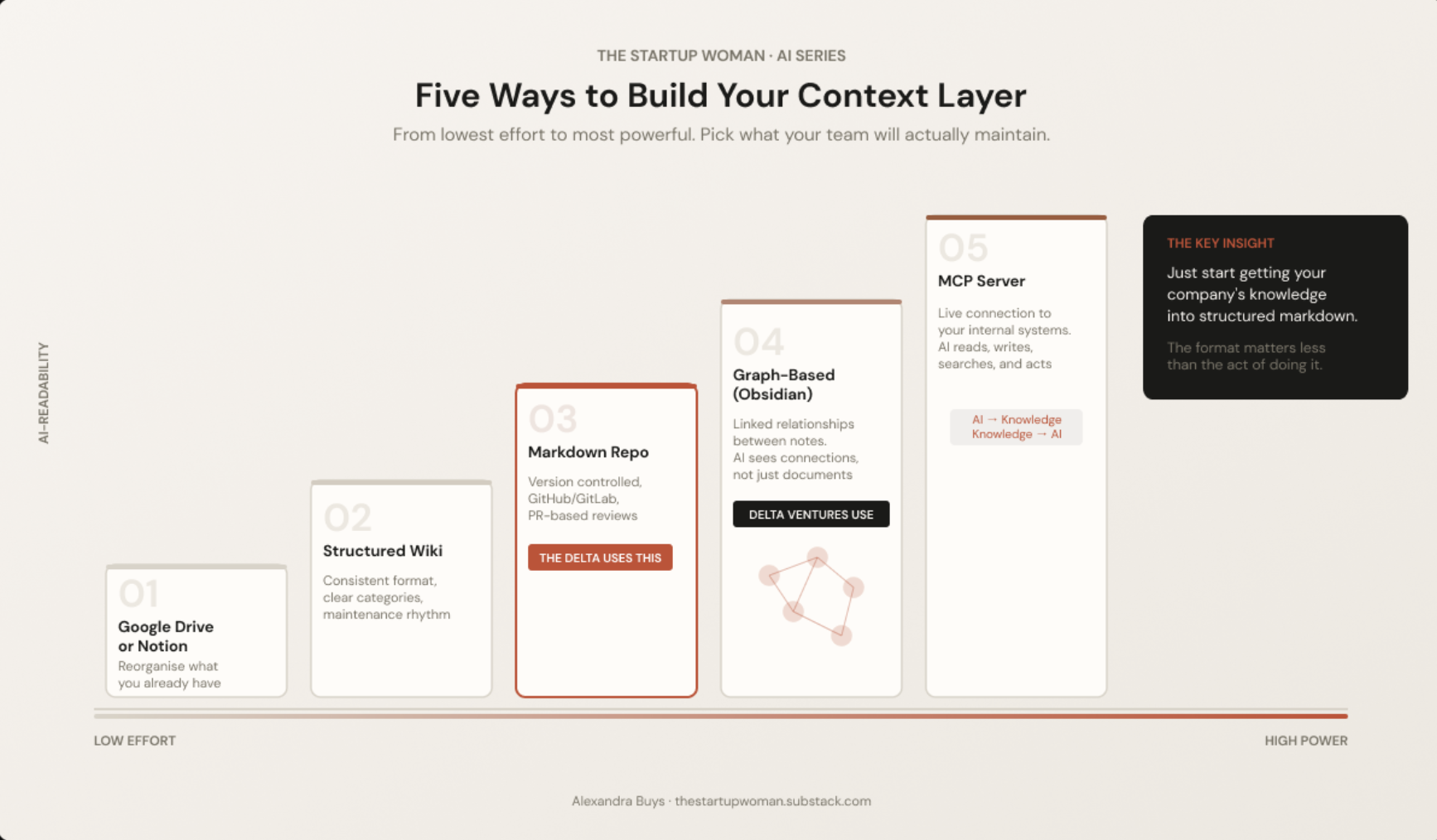
Your AI Doesn't Know Enough About Your Business
Most organisations start from zero every time they open an AI tool. Fast outputs, articulate responses, completely generic results. The fix isn't better prompting. It's giving your AI something to work with before you ask. That's the shift from prompt engineering to context engineering: building a structured knowledge layer your AI can draw on, not a document dump, but a deliberate representation of how your company works. The organisations getting real value from AI aren't the ones with the best prompts. They're the ones whose AI already knows what it needs to know.
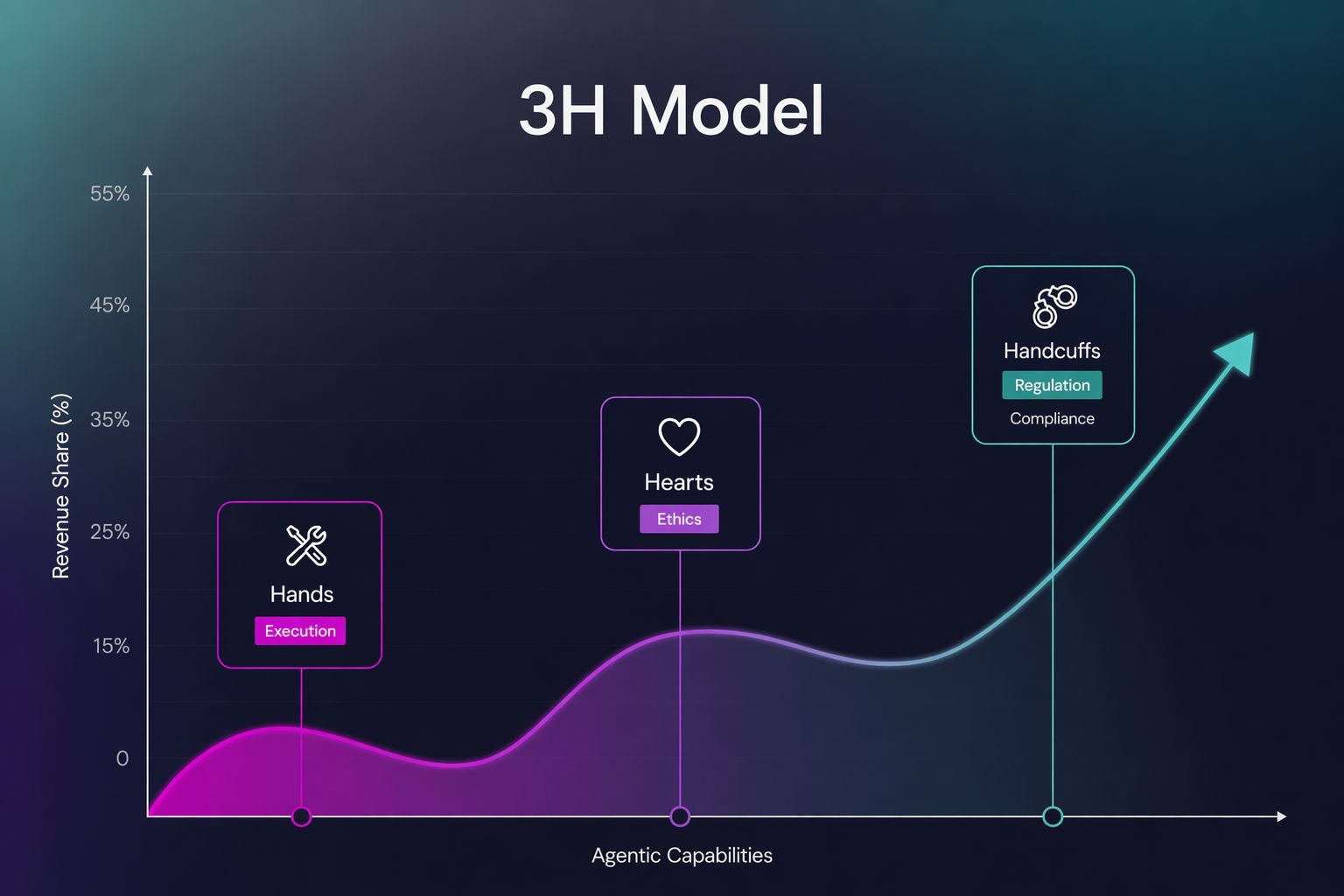
The AI Native Economy: From Software to Services with the 3H Model
For two decades, venture capital believed proprietary software created defensible moats. Today, that moat is dry. The next era belongs to founders who abandon software licensing and deploy autonomous agents to sell outcomes, not tools. Here's the framework to identify which service verticals are ripe for disruption.
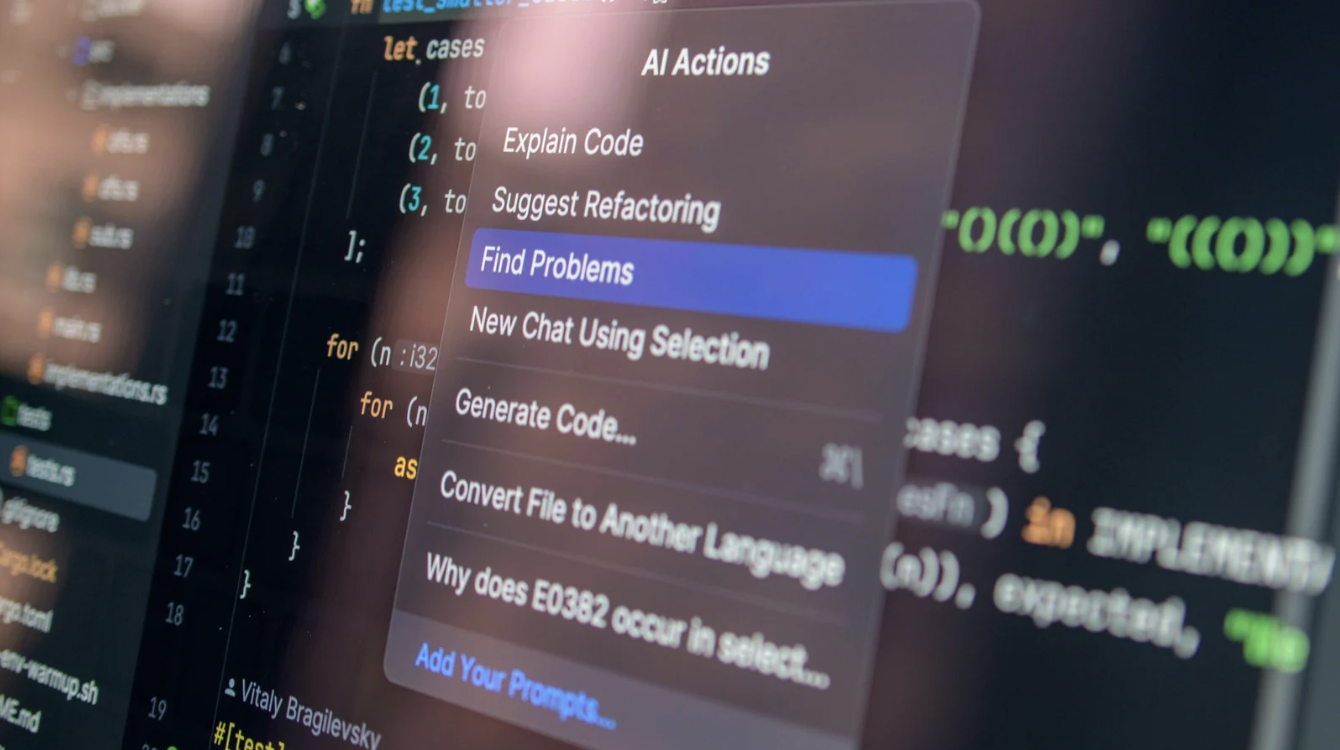
The 2026 Product Stack: What Tools the Smartest Early-Stage Founders Are Actually Using
Too many tools, not enough clarity. The best founders are not building bigger stacks, they are building sharper ones. In 2026, the advantage is not access to software, it is knowing what to use, when to use it, and when to let it go. A well designed product stack is not about complexity or trend chasing. It is about creating leverage while keeping decisions clear, fast, and reversible.