The Delta BlogSeite 2
Insights, stories, and updates from Europe's leading startup ecosystem
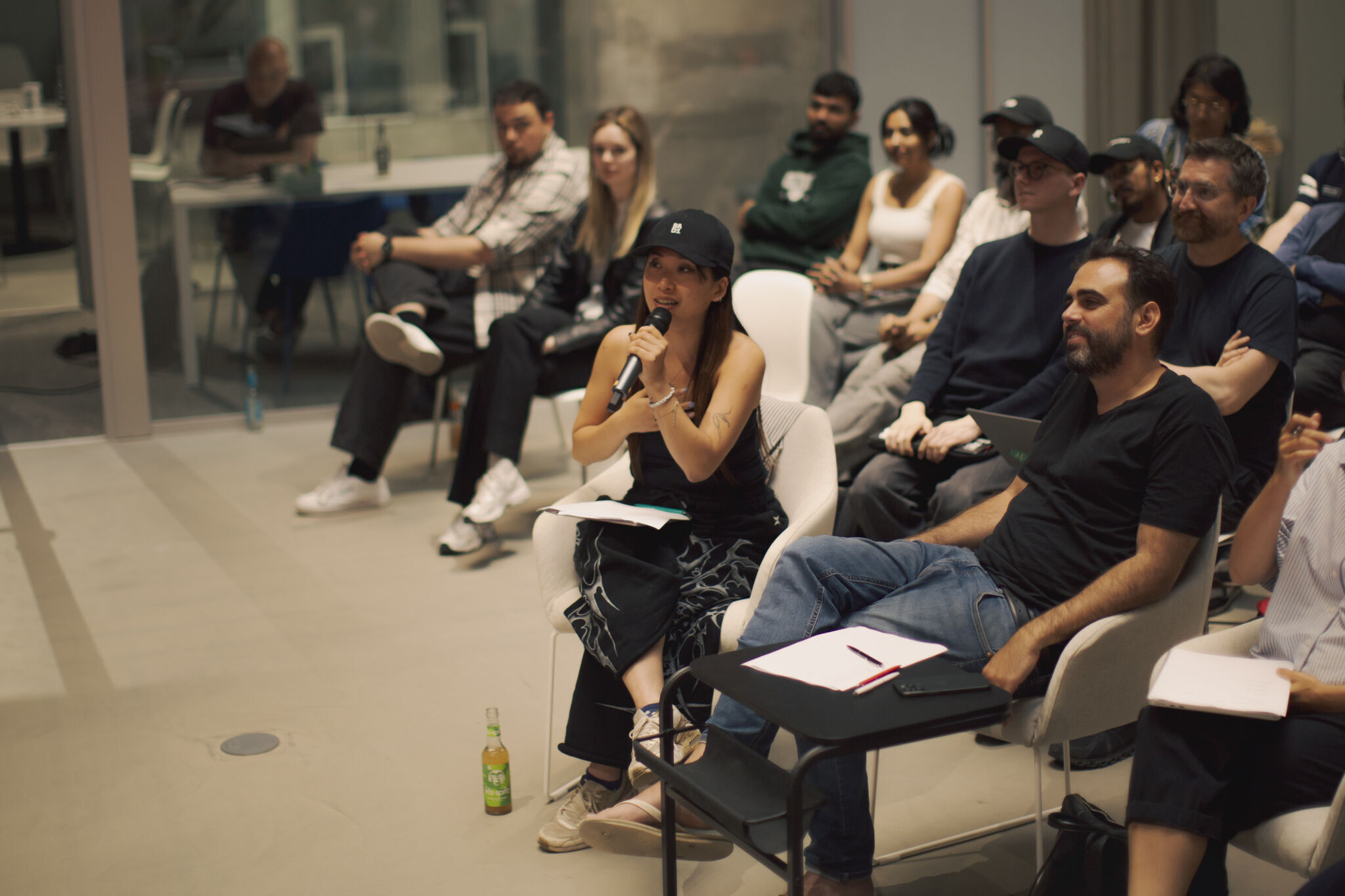
Tipps vor deinem Studio Open Day
Bevor du dich für den Studio Open Day von The Delta bewirbst: Lies zuerst unsere Investmentthese. Verzichte auf KI-polierte Texte und sag in einem klaren Satz, was du baust. Zeig uns Kundenvalidierungen statt nur einen Prototyp, und kenne deine tatsächliche Marktgröße und deine Wettbewerber. Kapital macht dich nicht zu jemandem, der umsetzt. Eine gute Antwort bekommen die Gründer, die ihre Energie in Gespräche mit Kunden gesteckt haben, nicht in das Feilen an Formulierungen.
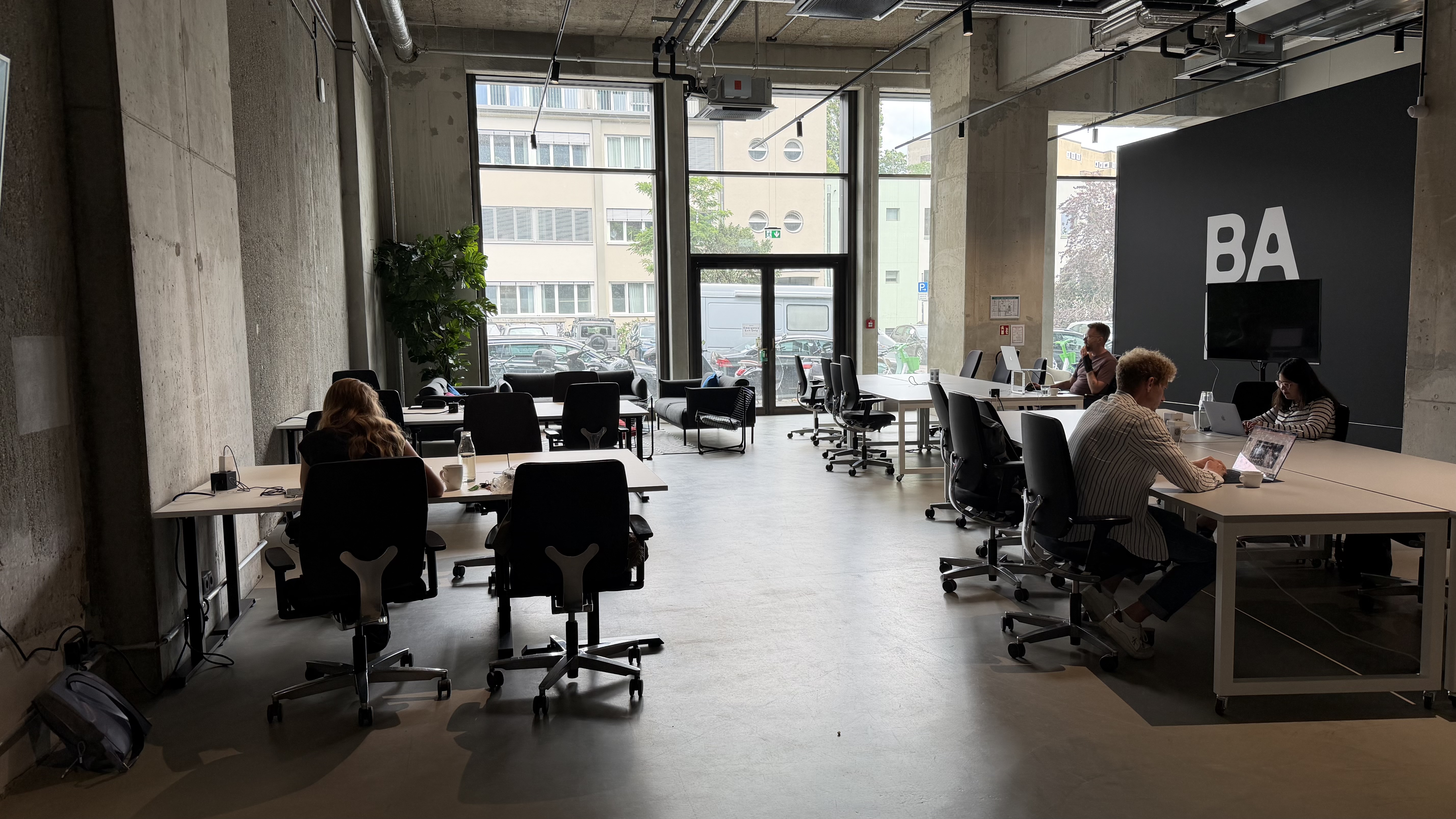
Amenities That Actually Matter in 2026: What High-Performing Teams Expect From Their Workspace
In 2026, the best office amenities aren't about impressing people, they're about creating conditions that make great work easier. Amenities matter, but not because they impress people. They matter because they shape energy, behaviour, and decision making. From natural light and acoustics to breakout spaces, wellness zones, and the basics that shape belonging, workspaces are shifting toward a hospitality-inspired mindset built on care rather than corporate tradition. At The Delta Campus, we see this shift clearly: the best environments protect energy, make conversations easy, and make being together feel worth it.
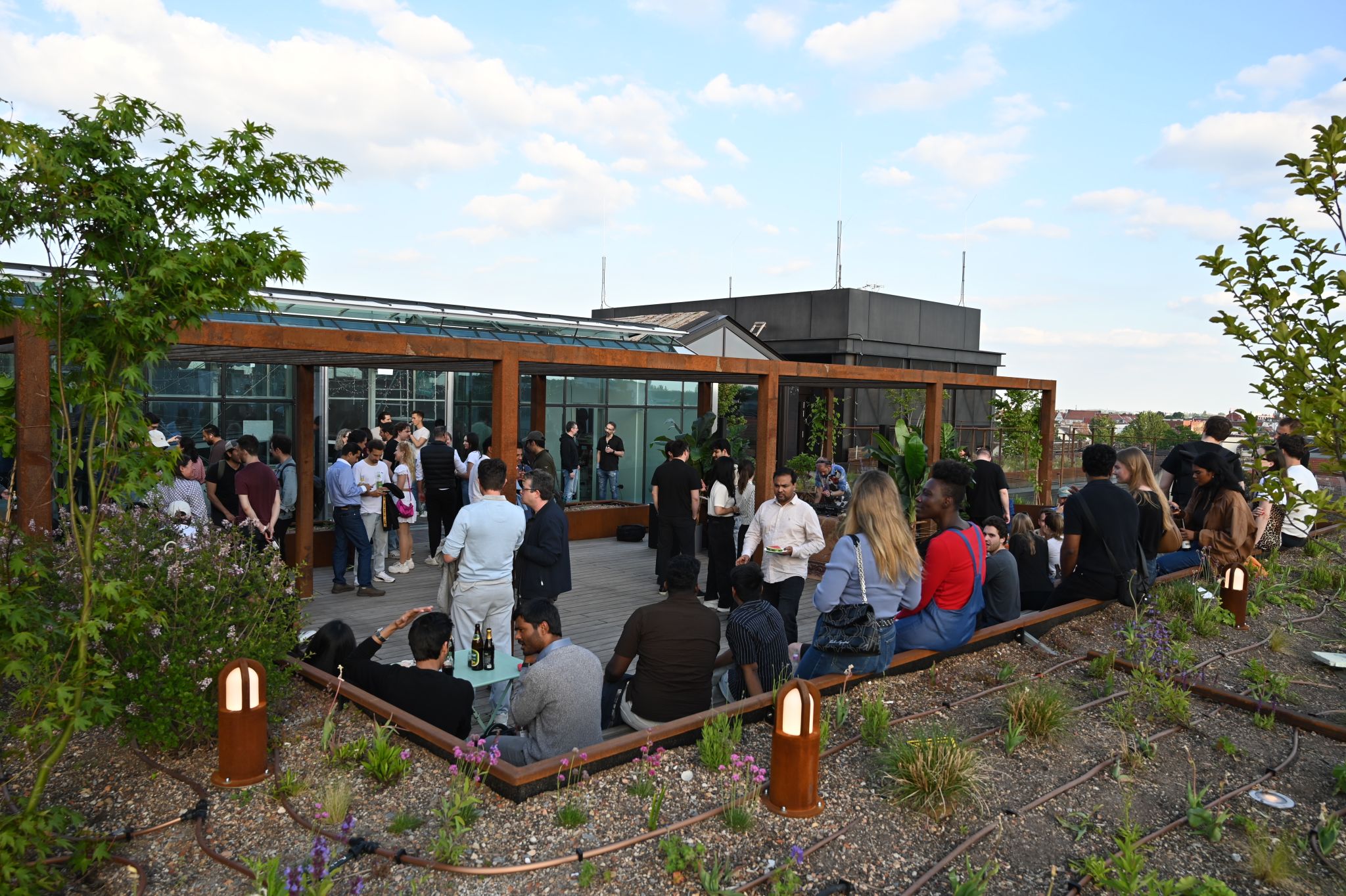
Community-Centric Events: How to Build Gatherings That Spark Conversation, Connection, and Collaboration
Most events are built around content. Community-centric events are built around what happens between the formal moments. The conversations in the corners. The unexpected introductions. The feeling that you are not just attending, but belonging. In a city like Berlin, where people are busy and selective with their time, these are the gatherings that truly stand out.
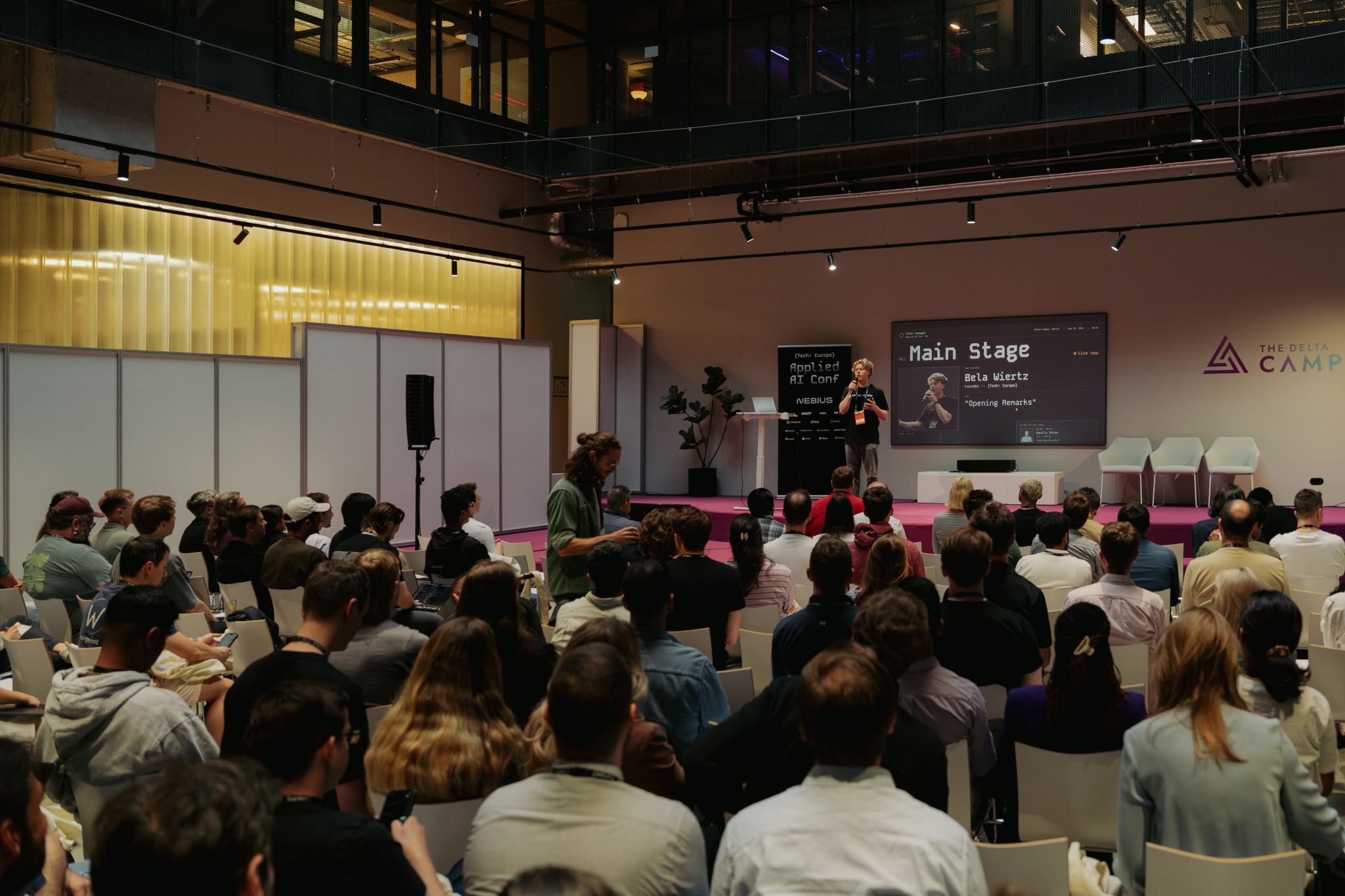
From Fireside Chats to Demo Days: How to Choose the Perfect Venue for Any Type of Startup Event
The space you pick does more than host people. It shapes how they listen, move, interact, and remember the experience. For startup events, where attention is limited and expectations are high, matching the right format to the right environment can be the difference between an event people talk about and one they quietly forget.
The Case for Attuned: Rebalancing the Global Nervous System
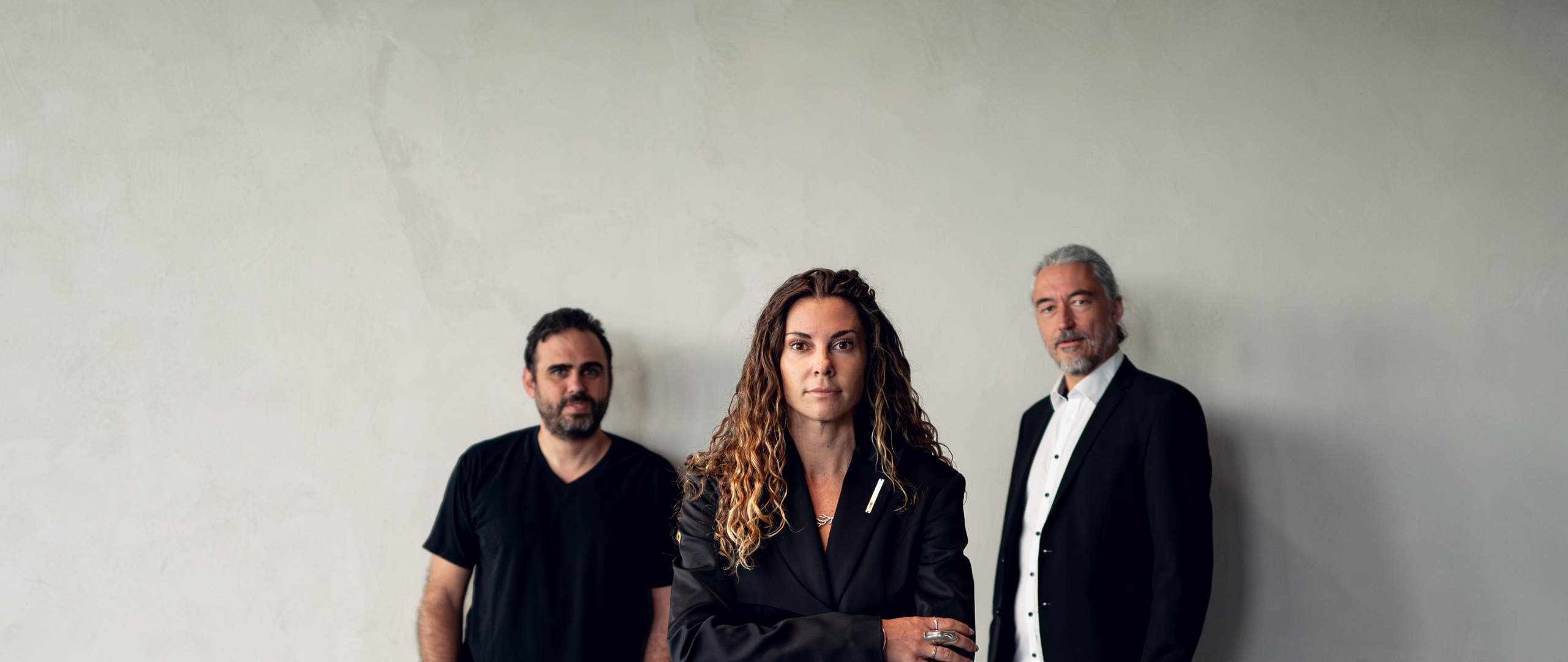
We've launched Attuned. A new company from Rebecca Godfrey, Thomas Hübl and The Delta, built to scale co-regulation - human nervous systems supporting each other.
Warum ein Mitgründer von Delivery Hero bei seinem Comeback auf Stahl setzt statt auf Software
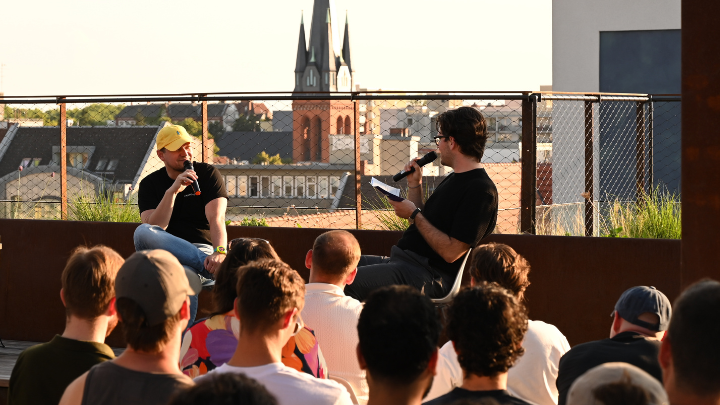
Delivery Hero sollte eigentlich der Höhepunkt sein. Bei der 9. Ausgabe von Gründerszene x The Delta machte Nikita Fahrenholz klar, dass es nur das erste Kapitel war. Seitdem hat er einen Marktplatz für Reinigungsdienste aufgebaut und verkauft, ein Luxusgaragen-Geschäft mit Bugatti als Partner gestartet, eine Fitness-App gegründet und still und leise zwei weitere Unternehmen mitgegründet, die er noch nicht angekündigt hat. Er erklärte, warum er sein aktuelles Unternehmen bewusst fast komplett aus Stahl gebaut hat und warum 95 % dessen, was all das funktionieren lässt, nichts mit Talent zu tun haben.
The Office Upgrade Playbook: How Fast-Growing Teams Can Move Without Losing Momentum
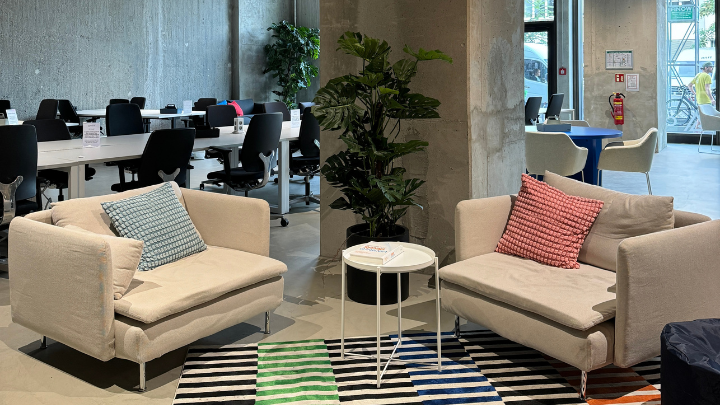
Most teams treat an office move as a logistics problem. Boxes, contracts, keys, a new address. In reality, the move touches every part of the company. Workflow, culture, morale, and time. Done well, an upgrade protects your pace during the transition and sets the team up to move faster after it. Done poorly, it costs more than the move itself.

A Tour of The Delta: Five Spaces Built for Unforgettable Events
One campus. Five distinct spaces. From a 500-person conference to an intimate rooftop dinner, The Delta is built to host ambitious gatherings without anyone leaving the address. Here's the tour, and how to host yours here.
The 24-Year-Old Who Ignored Every Risk and Built the Foundation of a $13 Billion Company Anyway
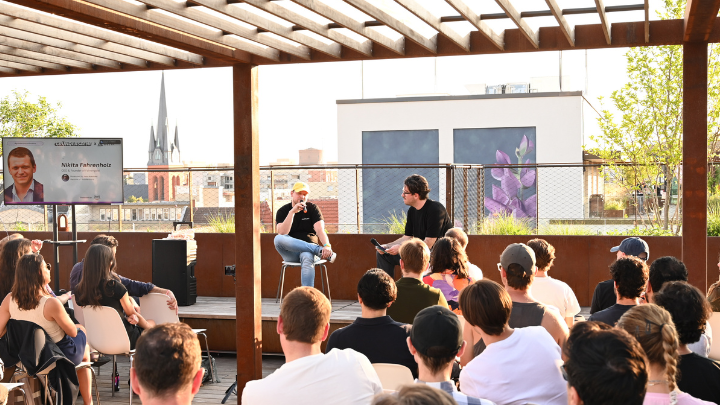
Hours before Nikita Fahrenholz took the stage at the 9th edition of Gründerszene x The Delta, Uber announced it was buying Delivery Hero, the company he helped found in his twenties, for a reported $13 billion. He walked us through the evening that gave the company its name, the buy-and-build strategy that turned a Berlin apartment startup into a global platform, the one market that never bent to it, and why the biggest headline of his week barely registered. It's a founder story about how much distance fifteen years and an early exit can actually buy you.