The Delta BlogSeite 3
Insights, stories, and updates from Europe's leading startup ecosystem
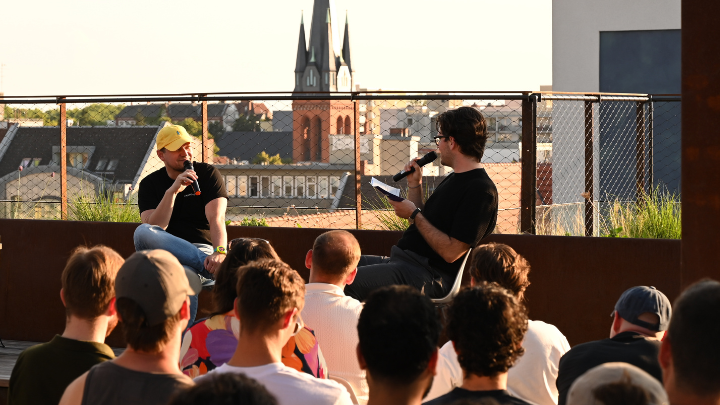
Warum ein Mitgründer von Delivery Hero bei seinem Comeback auf Stahl setzt statt auf Software
Delivery Hero sollte eigentlich der Höhepunkt sein. Bei der 9. Ausgabe von Gründerszene x The Delta machte Nikita Fahrenholz klar, dass es nur das erste Kapitel war. Seitdem hat er einen Marktplatz für Reinigungsdienste aufgebaut und verkauft, ein Luxusgaragen-Geschäft mit Bugatti als Partner gestartet, eine Fitness-App gegründet und still und leise zwei weitere Unternehmen mitgegründet, die er noch nicht angekündigt hat. Er erklärte, warum er sein aktuelles Unternehmen bewusst fast komplett aus Stahl gebaut hat und warum 95 % dessen, was all das funktionieren lässt, nichts mit Talent zu tun haben.
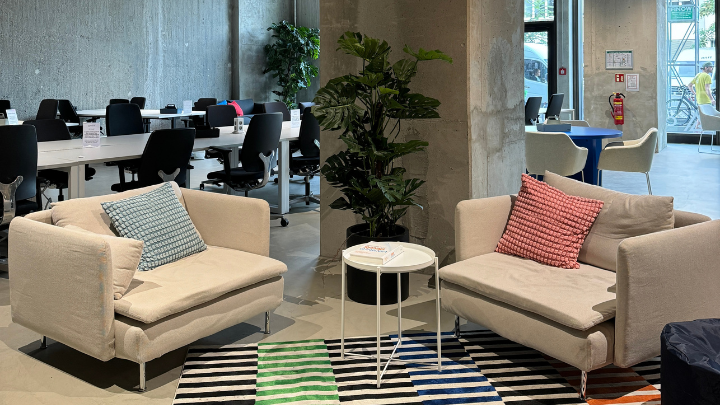
The Office Upgrade Playbook: How Fast-Growing Teams Can Move Without Losing Momentum
Most teams treat an office move as a logistics problem. Boxes, contracts, keys, a new address. In reality, the move touches every part of the company. Workflow, culture, morale, and time. Done well, an upgrade protects your pace during the transition and sets the team up to move faster after it. Done poorly, it costs more than the move itself.
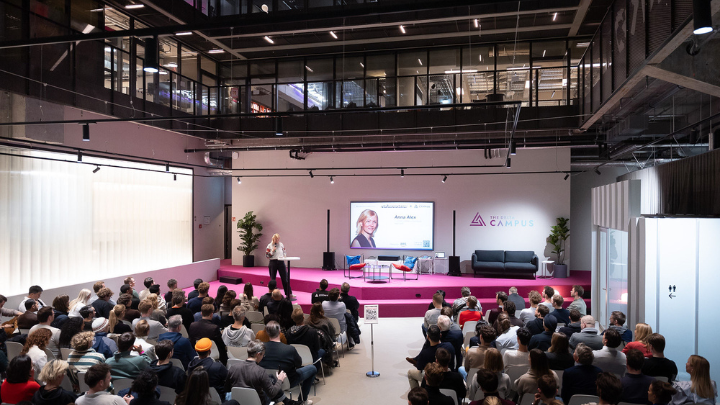
A Tour of The Delta: Five Spaces Built for Unforgettable Events
One campus. Five distinct spaces. From a 500-person conference to an intimate rooftop dinner, The Delta is built to host ambitious gatherings without anyone leaving the address. Here's the tour, and how to host yours here.
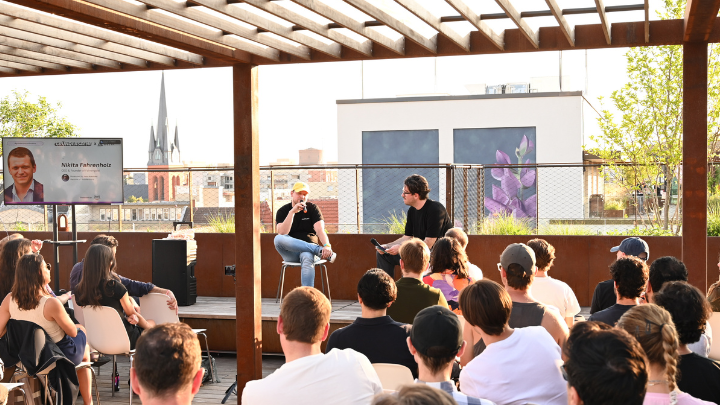
The 24-Year-Old Who Ignored Every Risk and Built the Foundation of a $13 Billion Company Anyway
Hours before Nikita Fahrenholz took the stage at the 9th edition of Gründerszene x The Delta, Uber announced it was buying Delivery Hero, the company he helped found in his twenties, for a reported $13 billion. He walked us through the evening that gave the company its name, the buy-and-build strategy that turned a Berlin apartment startup into a global platform, the one market that never bent to it, and why the biggest headline of his week barely registered. It's a founder story about how much distance fifteen years and an early exit can actually buy you.
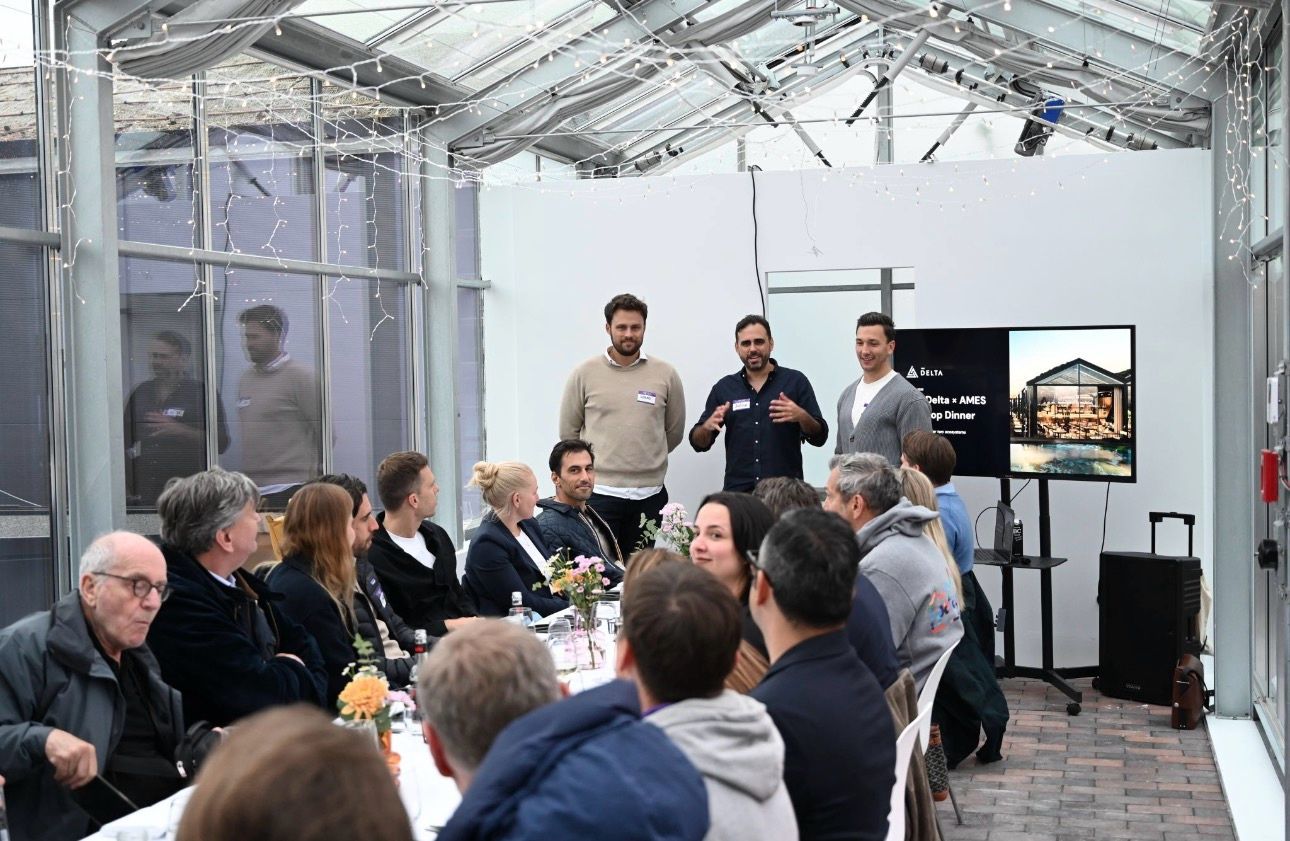
The Founder Dinner: Why the Smallest Rooms Make the Biggest Deals
A 500-person conference creates energy. A 50-person dinner creates trust. There's a reason the most serious relationships in business are still built over a table. Here's how we design curated dinners at The Delta, and why the most valuable conversations happen over five-star food on a rooftop under the stars.
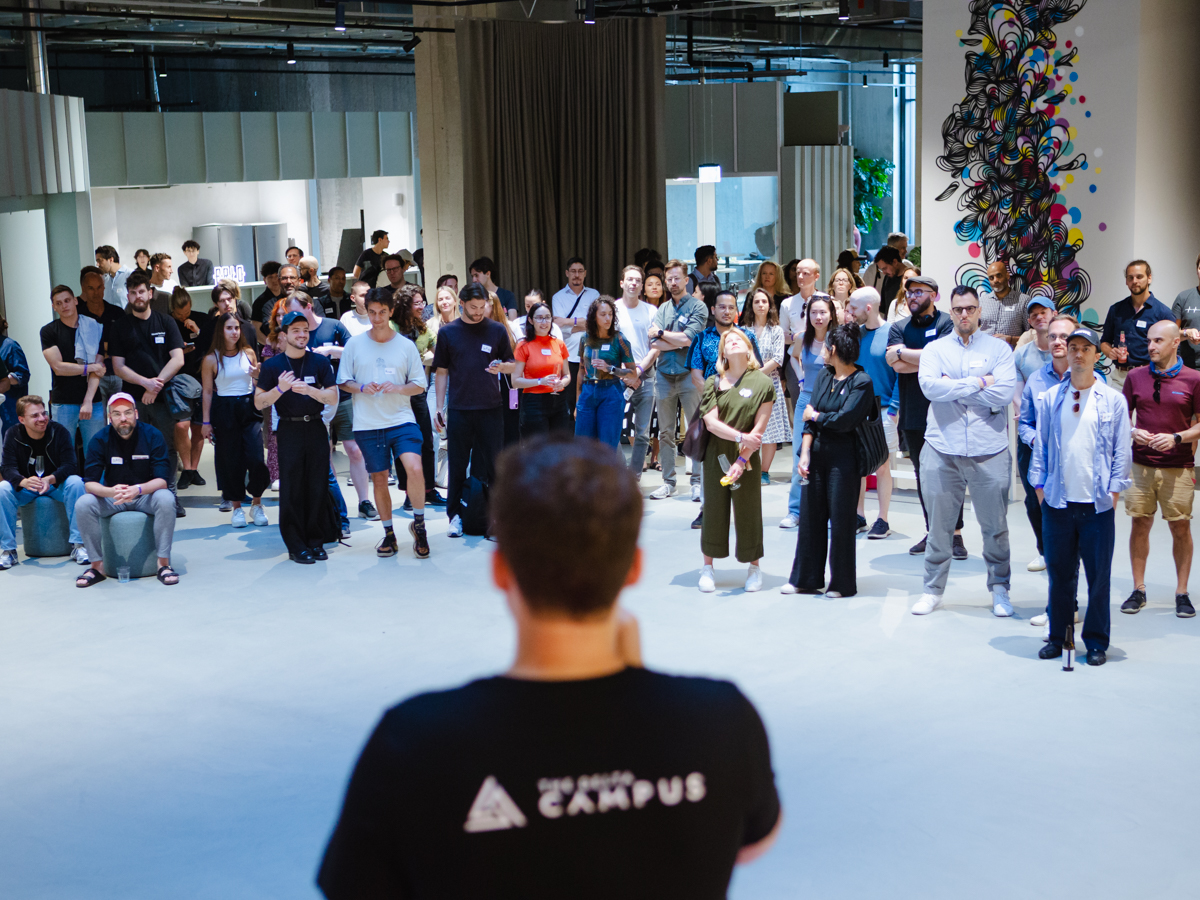
The Psychology of Space: Why the Right Venue Changes the Energy of Your Event
Event energy is shaped long before the first speaker begins. The layout, the light, the acoustics, how close people sit to one another. All of it influences how people behave, whether they engage, open up, and connect, or stay guarded and leave early. Understanding the psychology of space is one of the most underused tools in event design.
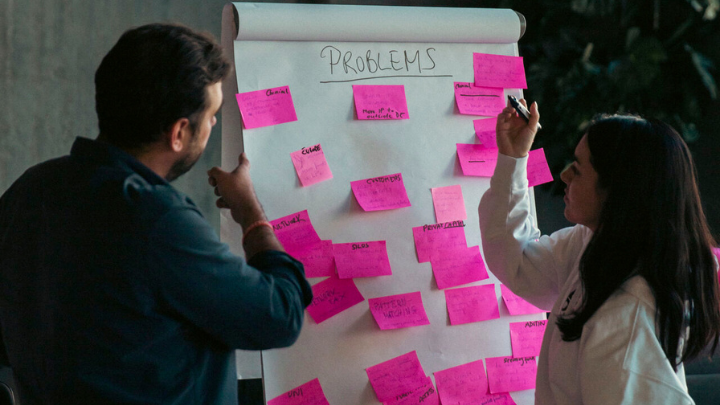
The Fastest R&D Cycle Your Company Has: 48 Hours.
Most corporate innovation moves at the speed of the calendar. A problem gets identified in Q1, scoped in Q2, resourced in Q3, and quietly deprioritised by Q4. A hackathon answers the same question on the weekend. Here's how ambitious companies are using them to pressure-test problems, ship prototypes, and break internal inertia.
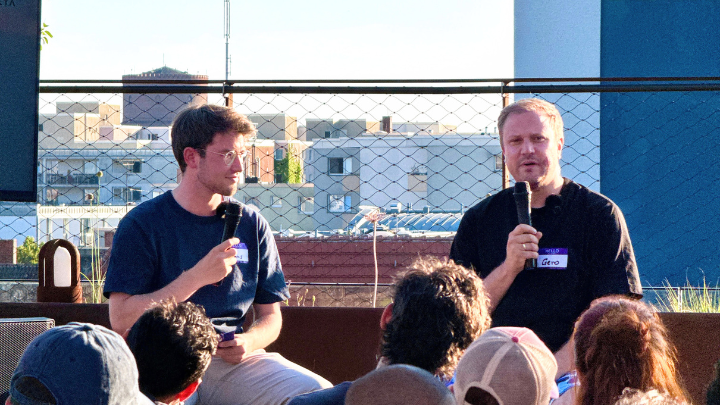
Why Dr. Gero Decker Didn't Buy an Island After His €1 Billion Exit
Most founders slow down after a nine-figure exit. Gero Decker set a new high score instead: making Signavio the best acquisition in SAP's history, doubling its business case within 18 months, and pushing it towards the two billion revenue mark that earns a seat at the table. Along the way, he is writing a book on AI and art, and refining a leadership philosophy built on trust, clarity, and momentum. It is one of the clearest pictures we have heard of what it means to keep building after the money stops mattering.
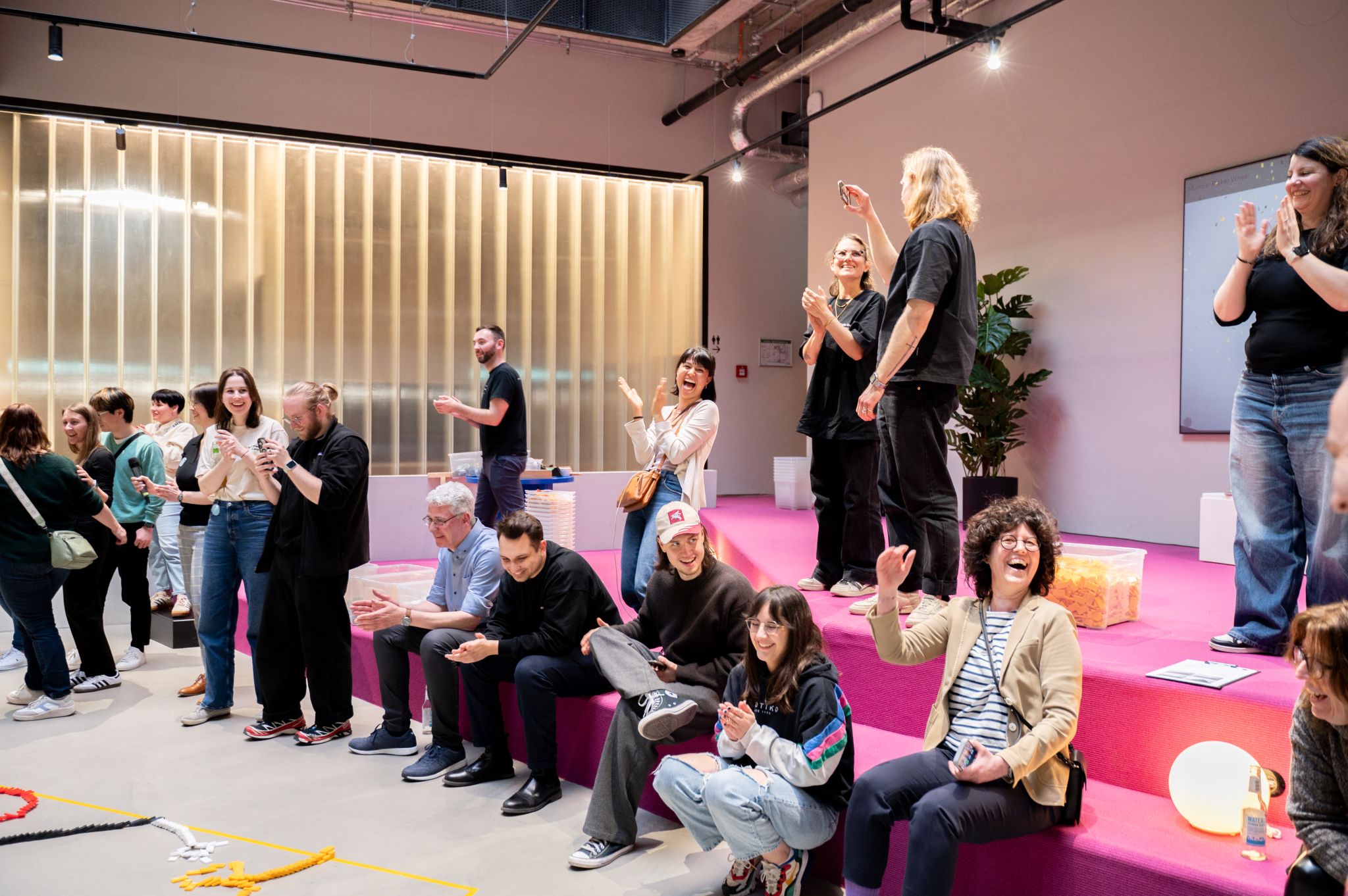
Stop Reading CVs. Run a Hackathon.
The engineers you most want to hire are the least likely to apply. They're employed, they're building, and they're not refreshing job boards. A hackathon inverts the whole thing. Instead of assessing how someone performs in an interview, you watch them do the actual job. In 48 hours, you learn more about how a person thinks and builds than five interviews will ever tell you.