
- Stephanie Frenzel, Chief People Officer at HomeToGo, sees communication as the core of the People function: say it explicitly, repeat it and use every channel, because the first time is never enough.
- Culture is built by managers every day, not by HR, so leaders have to translate each message into what it means for their own team.
- When HomeToGo integrated Interhome, a 60-year-old Swiss company, the approach was to understand the people, live the culture and treat them as equals rather than impose a deck of principles.
- Founders don't need a People department on day one, but they should think about feedback, fair pay and hiring for culture from the start.
- Gender balance in leadership takes deliberate effort, from managing every pipeline towards 50/50 to accepting that the right hire can take two or three times as long.
In this article
- From structure to speed
- Berlin has the talent
- When a startup buys a 60-year-old company
- Culture starts with the founder
- Say it, then say it again
- Hiring women at the top takes deliberate effort
- Hiring in the age of AI
- The network is the real value
- Speaking the language of the leadership table
- People Leader Learnings
- FAQ
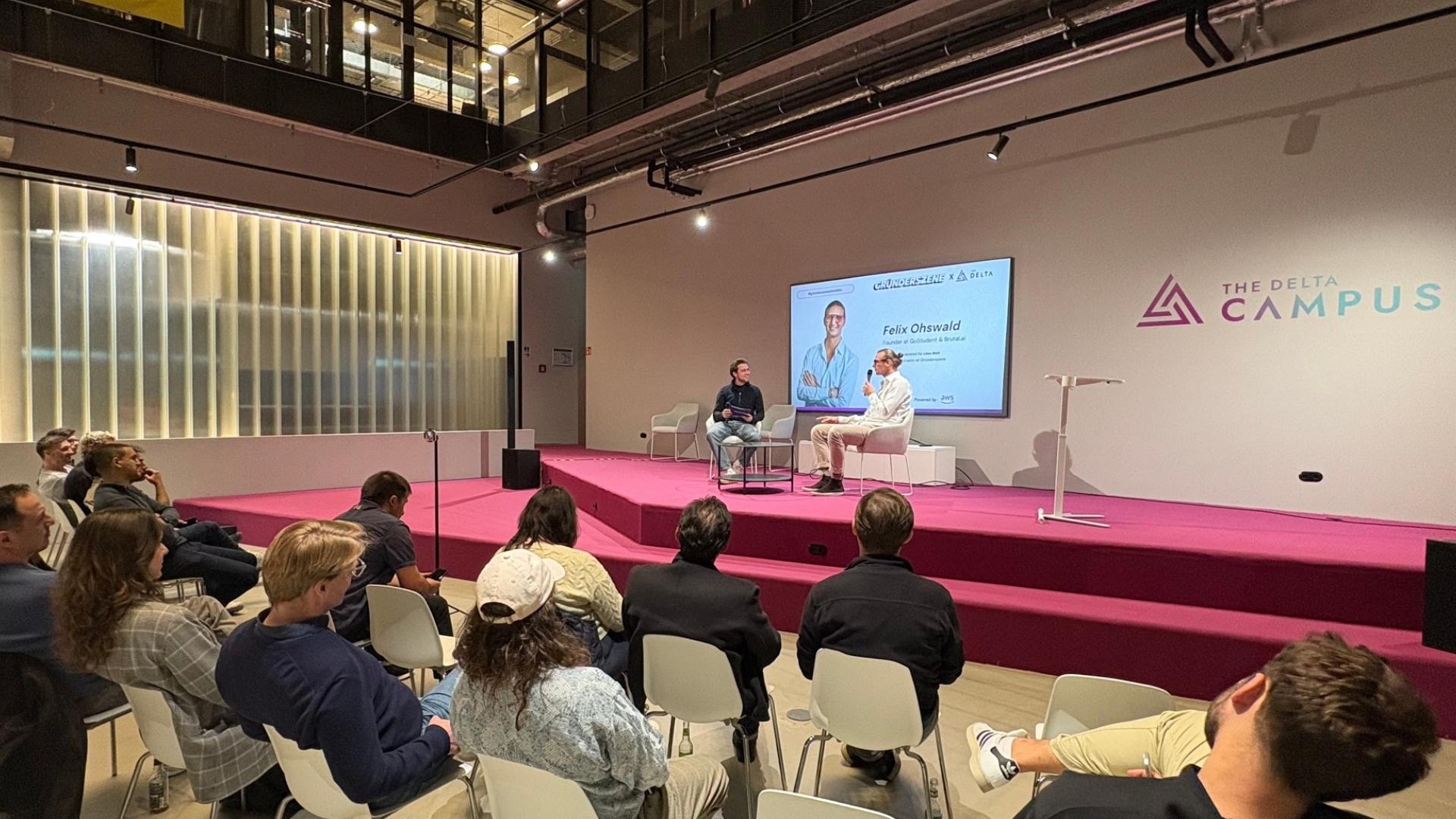
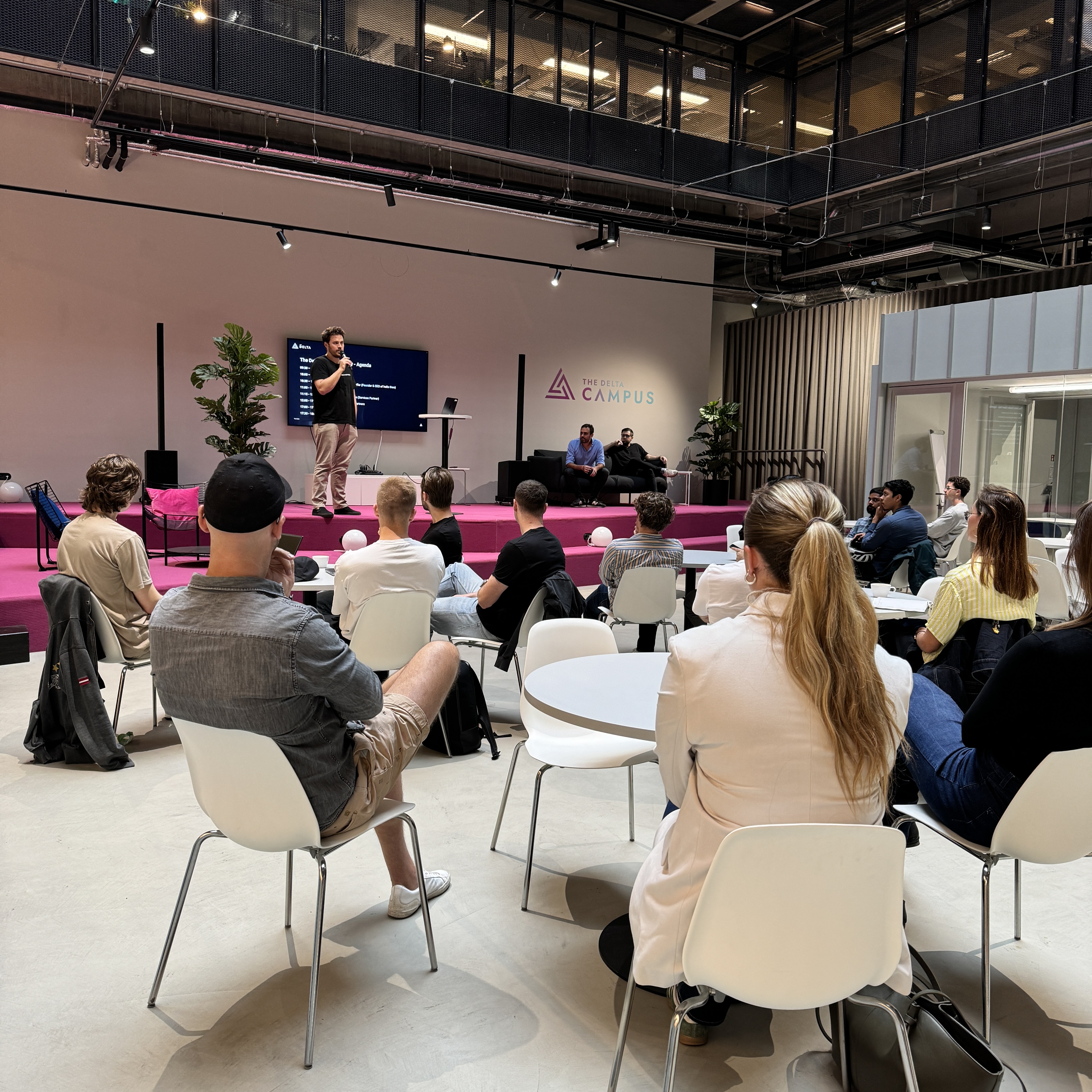
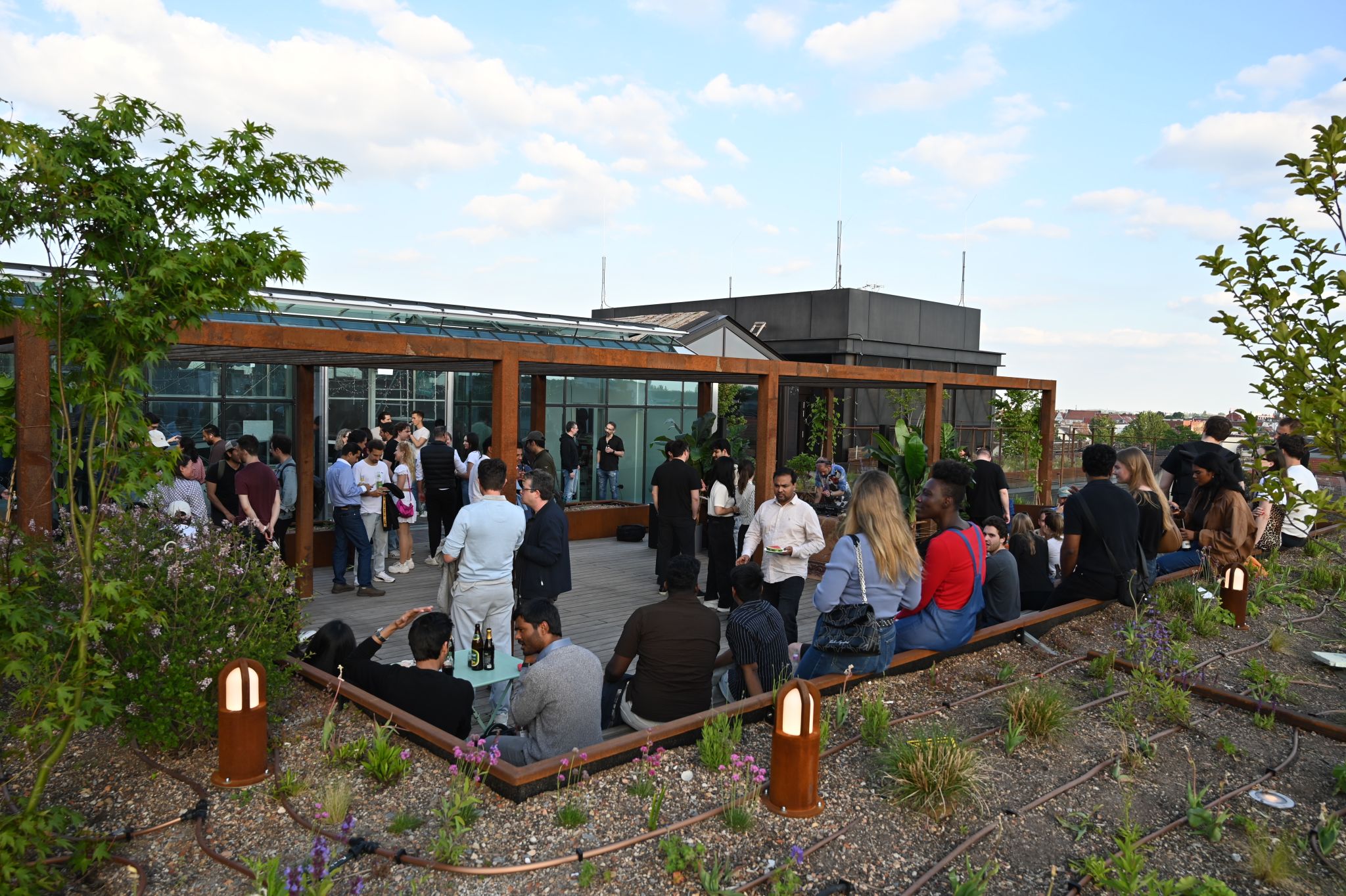
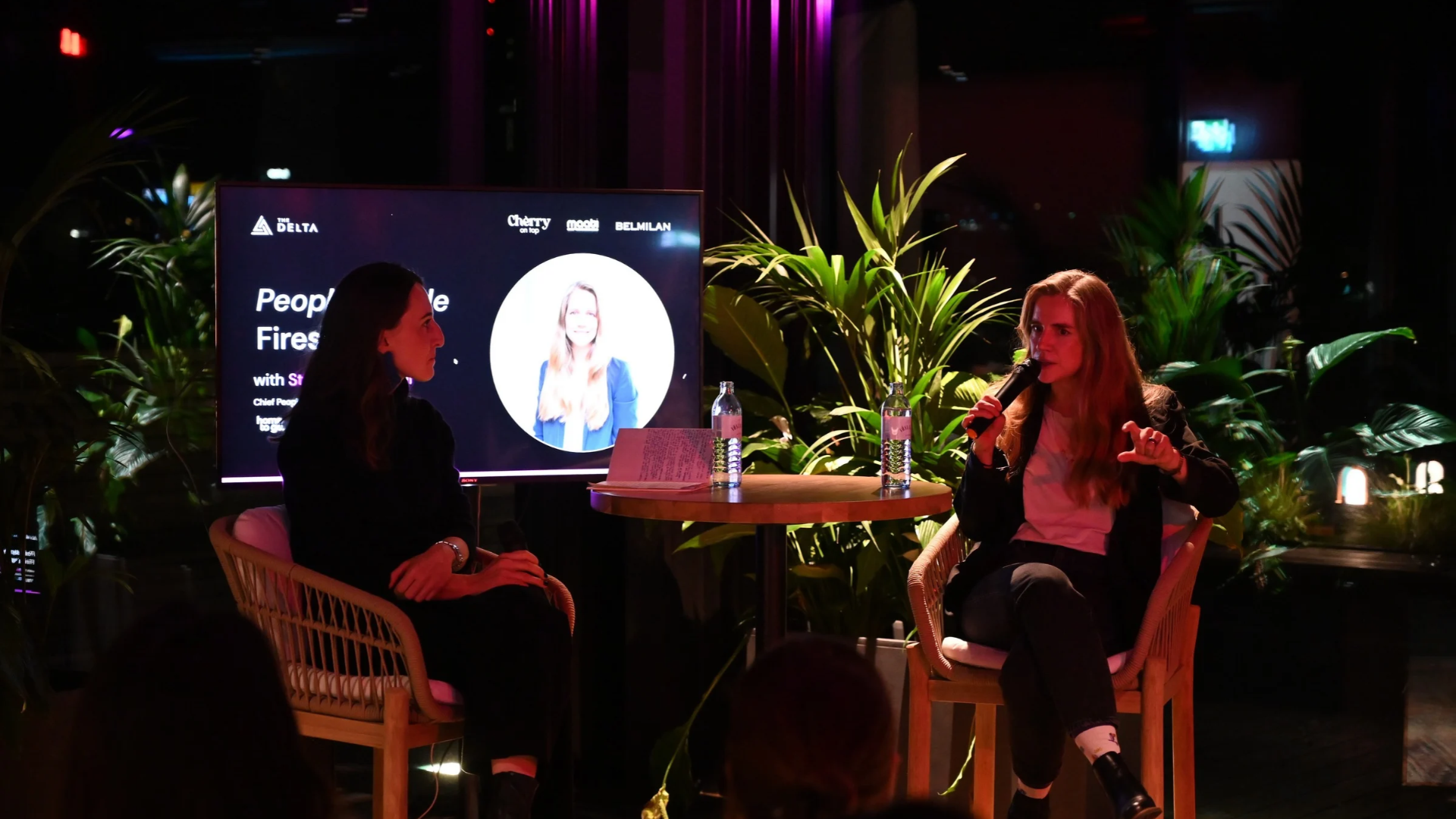
At the People People Fireside on The Delta Campus rooftop, Stephanie Frenzel, Chief People Officer at HomeToGo, sat down with Maya Ordaz, Chief of Staff at The Delta, in front of a room full of Berlin's People and HR leaders. Over 15 years, Stephanie has worked in energy, chemicals, e-commerce, fintech and now travel, at companies ranging from 30,000-person corporations to fast-scaling startups.
What came through most clearly was not a framework or a playbook. It was a conviction that the People function lives or dies on communication, and that culture is built by leaders, not by HR.
This is a story about what changes as a company grows, what stays the same, and why the hardest part of any change is making sure everyone actually heard it.
From structure to speed
Stephanie started as a working student at Vattenfall, a company of almost 30,000 people, and stayed for ten years. "It really felt like I learned everything from scratch," she said. It was there that she first learned structure, and where restructuring and finding synergies became a thread that would run through her whole career.
At Zalando, her first job was the company's first big restructure. Zalando was a startup, but a huge one, and doing good work meant knowing where information came from and how decisions really flowed. Stakeholder management, which had mattered less in her earlier expert roles, became the job. So did exceptions: the bigger you get, the harder it is to justify one exception to the other 1,000 people. Zalando also gave her a network she still relies on today.
Then came a step up: leading the whole People function at Solaris, the Berlin fintech, five months before Covid hit. "I've never dealt with a crisis before in that way," she said. Solaris was about speed, expansion and making decisions with 60% of the information if you were lucky. After Wirecard, regulation followed. Her favourite story from that time is an internal audit asking what she would do if her drawers filled up with personnel files. Her answer, buy a new drawer, was not a procedure. The lesson stuck: document your processes so you can show you are doing a good job and are compliant.
Two years ago she joined HomeToGo, which she calls "a bit of a love story." The company is publicly listed but in some ways still feels like a startup. When she joined, it had 750 people, spread across subsidiaries of 30 and 50 people that mostly ran on their own. A year later, a major acquisition doubled the company's size and changed her role completely.
Berlin has the talent
Maya pointed out that Germany's 40 most valuable listed companies are on average around 90 years old, while the largest US companies are mostly under 40. Does Berlin have the people to change that? Stephanie's answer was yes. Remote work has widened the talent pool, but as companies bring people back to the office, the question becomes whether you can attract them locally. In her experience you can, with a strong international crowd and an employer that is proud to build in Berlin. "If you have the right people and the right culture, I think that's still a very high valued asset."
When a startup buys a 60-year-old company
HomeToGo's big acquisition was Interhome, a traditional Swiss company around 60 years old. Most of its people were open and excited. "Cool, we now have this company from Berlin that brings us the agility that a lot of people are missing." But corporate structures bring politics, hierarchy and information that flows top-down to a chosen few, rather than through a Slack post everyone reads.
The answer was not to arrive with a deck of leadership principles. "This will also not work, to put that on them." Instead, Stephanie described a slower approach:
- Understand the players, including the often-overlooked middle management.
- Stay out of the political game, and keep talking openly about what is going wrong.
- Be present and live the culture yourself, then explain the why and the how.
- Treat them as equals, not as the cool startup that knows better.
- Find where they are curious and show them the benefit of changing.
Old companies want to innovate too, she said. They want to survive. The work is finding that sweet spot.
In the Q&A, she added a lesson from an earlier integration that went wrong: the deal was framed as a partnership of equals when it wasn't. Be honest about how the deal will look, be clear on your non-negotiables, and leave room for local values and ways of working beyond them.
Culture starts with the founder
Stephanie credits much of HomeToGo's culture to CEO Dr. Patrick Andrae. From the start, he had a very clear idea what kind of culture he was aiming for - one where people work alongside each other rather than against each other. In her talk, Stephanie points out that "It is still a performance culture. So it's not that everyone is nice and huggy. We are huggy, but we still challenge each other."
Her advice to founders: you don't need a full People department on day one, but you do need to think about people processes from the start. Feedback, asking for opinions, fair compensation, and hiring people who live the culture you are looking to build. If people topics aren't your strength, find a partner who thinks about them. "Many years after, you will have a much nicer environment."
Say it, then say it again
Asked for her key insights, Stephanie admitted the biggest one is not a secret. "Every single step of my day is about communicating." You think you've explained everything, then you get the one question that shows nobody really heard it after all. So you say it explicitly again– and you repeat it.
HomeToGo uses every channel it can: regular all-hands with Q&As, even though getting 1,500 people into a 90-minute meeting is expensive, plus Slack, where, among other things, the team reshares things posted on LinkedIn so nobody misses what's happening. But the biggest gap, she said, is the leadership cascade. Leaders have to translate the message into what it means for their team. "You are not only here to listen and consume, but you are here to listen and reproduce the message."
Two more lessons followed from that:
- Culture is not decided by People & Organisation. A survey and a set of principles don't create culture. Managers do, every day. The People team's job is to enable, consult and support leaders.
- Change can't be made painless, but it can be made fair. Restructures will always create insecurity. What you control is whether people are treated fairly, so those who stay aren't afraid. "I needed to take this tough decision, but we did it in a fair and transparent way."
Hiring women at the top takes deliberate effort
For several leadership roles, HomeToGo has decided to look at female candidates first. It is hard. The pool gets smaller with each requirement, and other companies are pursuing the same individuals. Moreover, she mentions, in their search for a female candidate to fill a top-tier leadership position, another organization was simply able to present a more competitive package.
Stephanie is a fan of quotas, because it still isn't normal. Stereotypes about pregnancy and childcare persist, and people still hire people like themselves. Across the market, top-tier female candidates are unfortunately still being asked who picks up the kids, a question nobody would ask a man. Unless leaders explicitly commit, and accept that a search might take two or three times as long, nothing changes. She thinks it's worth it: decisions are different with one woman in the room, and different again with two.
Asked by the audience how to attract more women applicants on a tight budget, she named what works best: managing every pipeline toward 50/50, writing job descriptions that don’t inadvertently skew toward male candidates, putting women on hiring panels, and an internal women's group.
Hiring in the age of AI
Maya raised a paradox: companies say they get hundreds of applications but can't find the right people, while good people say they've been searching for six months. Stephanie sees it from both sides. Hiring managers struggle to define what they need. Do they need a builder? Does the team already have AI capability? Meanwhile, CVs arrive matching the job description buzzword for buzzword, and case studies come back prepared with AI.
Her team is responding by changing how it interviews, using scripted live case studies to see how candidates think. It is also making time to learn: People & Organisation hackathons, a company-wide AI enabler team, dedicated Slack channels for topic-specific questions, and plenty of lunch and learns. Time matters, she said. Some people tell her what they built over the weekend. "Over the weekend I spent time with my two kids.” Giving people time inside their working week keeps anyone from feeling left behind.
The network is the real value
Stephanie usually sits in the audience, not on stage, and for her the value of events is the conversation afterwards. The chance to ask an expert about a tool you're implementing, or ask peers how they're really doing with AI. Her group of around 40 ex-Zalando colleagues on WhatsApp is still one of her most useful resources, especially in smaller companies where you're the only People expert. And yes, she has hired through her network. Most recommendations come from it.
Speaking the language of the leadership table
One attendee asked how to be taken seriously when People is labelled a feel-good admin function. Stephanie's answer was to stay herself, understand the business, be pragmatic, and connect the data: attrition, engagement results and performance. Bring the perspective others are missing, and don't shy away from making your point. "I'm not a support function. I'm enabling."
On internal communications, she has always kept it close to People, and today it covers external communications too. A message about big change needs to be simple enough for someone outside the company, and often the same is true for employees far from the change.
People Leader Learnings
- Communication is the job. Say it explicitly, repeat it, and use every channel, because the first time is never enough.
- Leaders carry the message. All-hands and Slack only go so far. Managers have to translate the why into what it means for their team.
- Culture belongs to managers, not HR. The People function enables, consults and supports. It doesn't decide how people feel.
- Integrate with honesty and humility. Be clear on your non-negotiables and live your culture rather than imposing it.
- Founders set the culture early. Think about people processes from day one, even without a People team.
- Gender balance takes deliberate effort. Manage the pipeline toward 50/50 and accept that the right hire can take longer.
- Rethink hiring for AI. Define what your team needs, assess candidates live, and give your own people time to learn.
- Make change fair. You can't remove the uncertainty, but you can treat people in a way you can stand behind the next day.
If you're a People leader looking for a community that is asking the same questions, The Delta Campus is where those conversations happen, so book your tour now or contact us.
About the HomeToGo Group
HomeToGo was founded in 2014 in Berlin, Germany. Today HomeToGo is Europe’s leading vacation rental group, building the industry’s first end-to-end vacation rental operating platform powered by AI.
The HomeToGo Group combines two business segments. HomeToGo_PRO offers software and tech-enabled service solutions for the entire travel industry, with HomeToGo Originals, one of Europe’s largest vacation rental managers, at its core. Through HomeToGo’s AI-powered Marketplace and distribution technology, travelers are seamlessly connected with the world’s largest selection of vacation rentals to find the perfect home for any trip.
HomeToGo was born and built in Europe and is the official travel partner of German Bundesliga football club 1. FC Union Berlin. While HomeToGo SE's registered office is located in Luxembourg, HomeToGo GmbH is headquartered in Berlin, Germany. The HomeToGo Group operates localized apps and websites in more than 30 countries.
HomeToGo SE is listed on the Frankfurt Stock Exchange under the stock ticker “HTG” (ISIN LU2290523658). For more information visit: https://www.hometogo.de/ueber-uns/